
Why Is Dry January Trending After People Toast the New Year?
Co-Authored by Americana Communications and Grayling Holmes
As soon as the final bottle of champagne is popped on New Year’s Eve, more and more people are hitting the reset button on the booze and skip it New Year’s Day — in fact for all of January.
Dry January is a popular New Year's resolution that started out as a short term detox whose purpose was to undo the excesses and indulgences of the holiday season. Today, for a number of reasons, although the month is cold, Dry January is hot. Everywhere you look it is trending with multitudinous ways do what alcohol helps most people do — unwind, connect with others, and have fun.
There are multitudinous ways to do Dry January in St. Louis. From elevated non-alcoholic craft cocktails, to cannabis infused drinks and sprays, to some of St. Louis’ best restaurants who specialize in pairings with Dry January signature drinks.
Dry January caught fire during Covid. The flames of sobriety are a burnin’ and trending everywhere you go this as we welcome 2026.
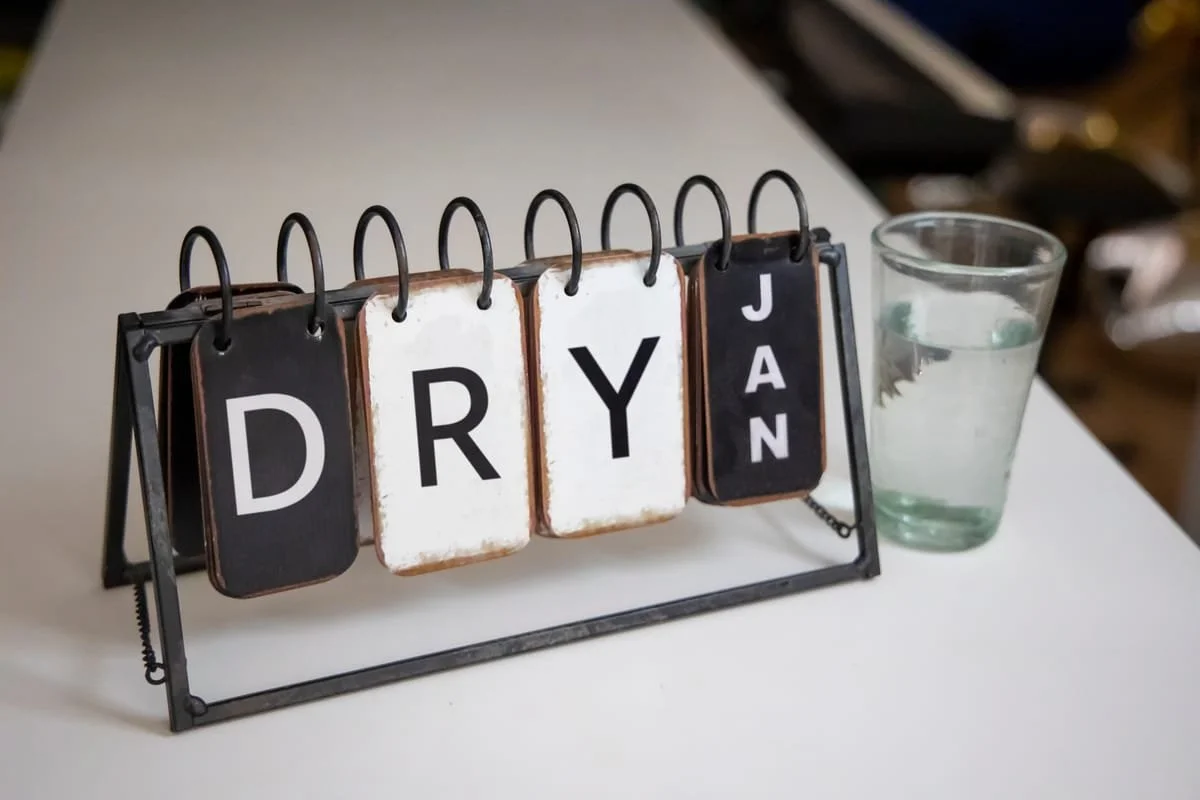
People are paying much closer attention to how alcohol fits into their routines, their mental health and their social lives. For many, going dry doesn’t mean giving something up, but opening the door to different way of life.
The “sober curious” movement has increased the availability of tasty non-alcoholic drinks, and as 24 states have legalized cannabis, it also offers an alternative to the negative effects of alcohol.
Key Reasons Why Dry January is Catching Fire
Health Benefits: People seek improvements in sleep, mood, energy, weight, and liver health.
Holiday Reset: January offers a natural, low-pressure time to detox after heavy December drinking.
Rise of NA Options: The explosion of non-alcoholic beers, wines, and spirits makes abstaining easier and socially acceptable.
"Sober Curious" Movement: A growing cultural interest in reducing alcohol intake, fueled by social media and awareness of alcohol's effects, especially post-pandemic.
Behavioral Insight: A set month helps people understand their relationship with alcohol and identify triggers.
Manageable & Social: It's a contained challenge, not a permanent lifestyle change, and often done with friends or coworkers for support.
Cannabis as an Alcohol Alternative
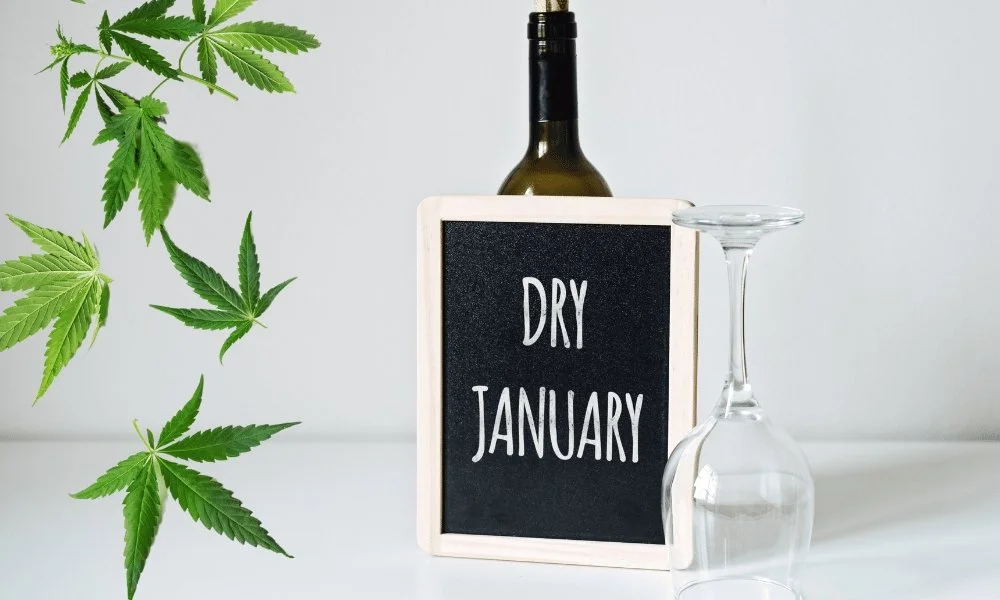
As people look to reduce or entirely remove their alcohol consumption in life, cannabis has emerged as a compelling alternative. This isn’t about replacing one vice with another though. It is about using cannabis intentionally and in moderation as part of a more mindful lifestyle. For some, cannabis products can offer relaxation without the hangover, allowing them to stay social while still feeling good the next day.
Data reflects this attitude shift as well. One in five Dry January participants in 2025 reported swapping alcohol for THC or CBD products with Gen Z and millennials leading the charge. Brightfield Group reports that relaxation is the primary motivation for cannabis use among consumers, and a growing percentage now prefer cannabis over alcohol entirely.
Cannabis also offers a level of control and personalization that alcohol often does not. Dosage, format, and experience can be tailored to the moment, whether that means a low-dose edible before dinner or a cannabis beverage enjoyed slowly in a social setting. It supports moderation and intentionality rather than excess.
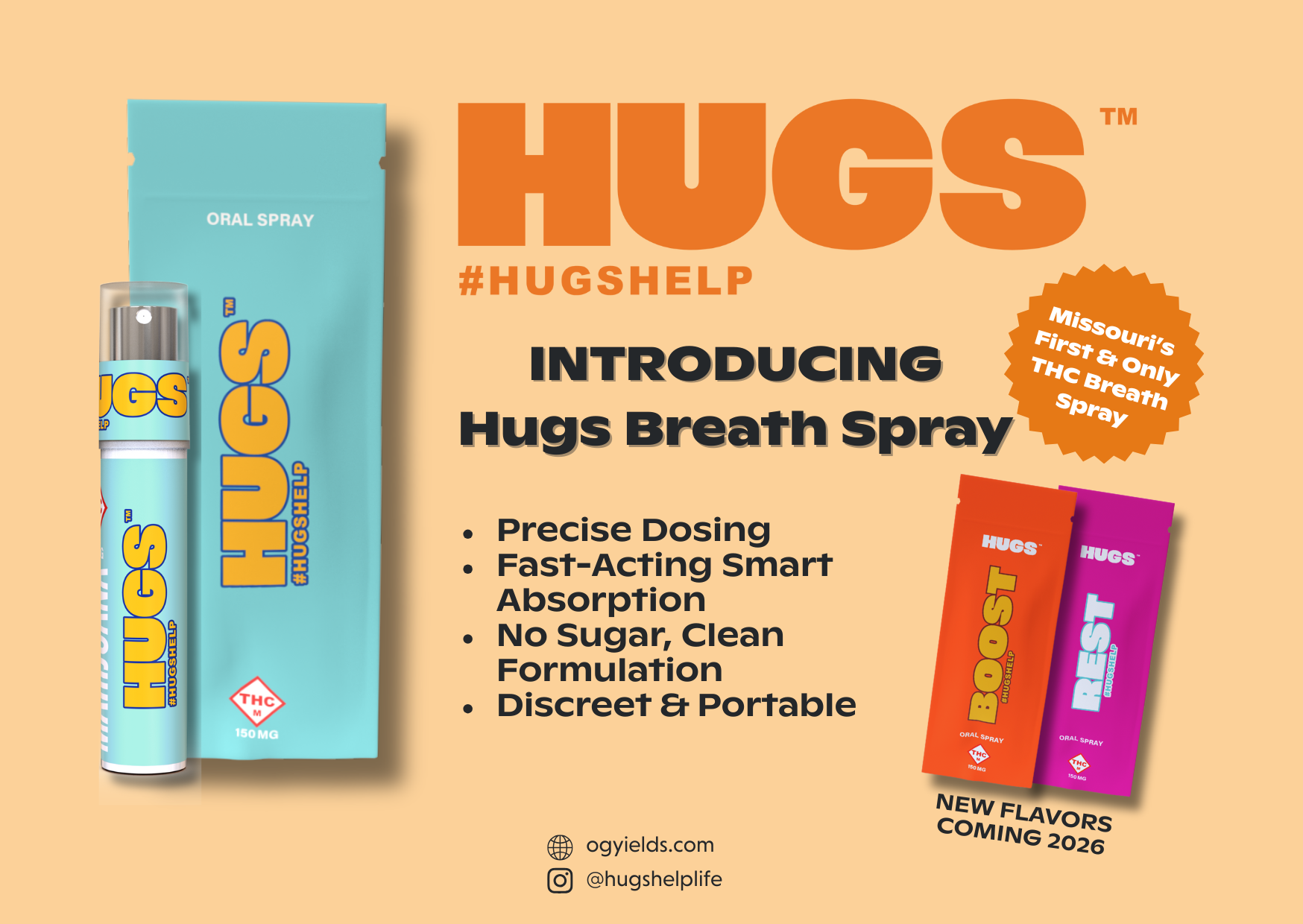
One expression of this more intentional approach to Dry January is the rise of discreet, low-profile cannabis formats designed for social settings. In Missouri, HUGS THC Breath Spray is gaining attention as a subtle alternative to alcohol, offering a controlled way to participate without committing to an alcoholic drink. A quick pump of Hippos Cannabis’ oral spray can be enjoyed on the go, tucked into a pocket or purse, or paired easily with a mocktail at the bar, allowing people to stay engaged without calling attention to what they’re consuming.
With mint-forward profiles and formulations that avoid sugar, artificial flavors, and fillers, these products reflect broader wellness trends that favor simplicity and transparency. Precise, low-dose servings further reinforce the idea that Dry January isn’t about opting out, but about choosing more flexible, intentional ways to unwind and connect.
Tasty Non-Alcoholic Drinks as an Alternative
Restaurants and bars help Dry January by creating sophisticated, creative non-alcoholic (NA) drinks like craft mocktails, NA beers/wines, and house-made sodas, often with premium ingredients. Special events, tastings and live music keep the fun flowing. Highlighting wellness-focused dishes, restaurants and bars are turning Dry January into a way to attract health-conscious, year-round customers.
Restaurants and Bars are offering:
Premium Mocktails: Crafting complex mocktails using ingredients similar to alcoholic drinks (e.g., zero-proof spirits, bitters, fresh herbs, unique syrups) to offer a high-quality experience.
Diverse NA Options: Expanding beyond basic soda to include NA beers (IPAs, lagers), dealcoholized wines, and specialty bottled NA cocktails.
Food Pairings: Developing menus that suggest pairings between dishes and non-alcoholic drinks to enhance the dining experience.
St. Louis Goes Zero-Proof
St. Louis is embracing this evolution with a growing number of restaurants and bars offering sophisticated no and low alcohol options that feel just as celebratory as traditional cocktails. These spaces make it easier to participate fully in social life during January, regardless of what is in your glass.
Recently, there has been a rapid growth in non-alcoholic spirits, wines, and beers, as well as functional beverages infused with botanicals, CBD, and cannabis. Your local “watering hole,” no matter how bougie, is responding. Restaurants and bars are expanding zero-proof offerings that feel thoughtful and complete. Cannabis drinks and NA craft cocktails, once niche, are now part of mainstream offerings.
St. Louis is making Dry January easy to enjoy with well-crafted zero-proof cocktails and cannabis infused ones. Bottom line: no alcohol.
Local Spots to Know:
Casa Don Alfonso (100 Carondelet Plaza, Clayton, MO 63105)
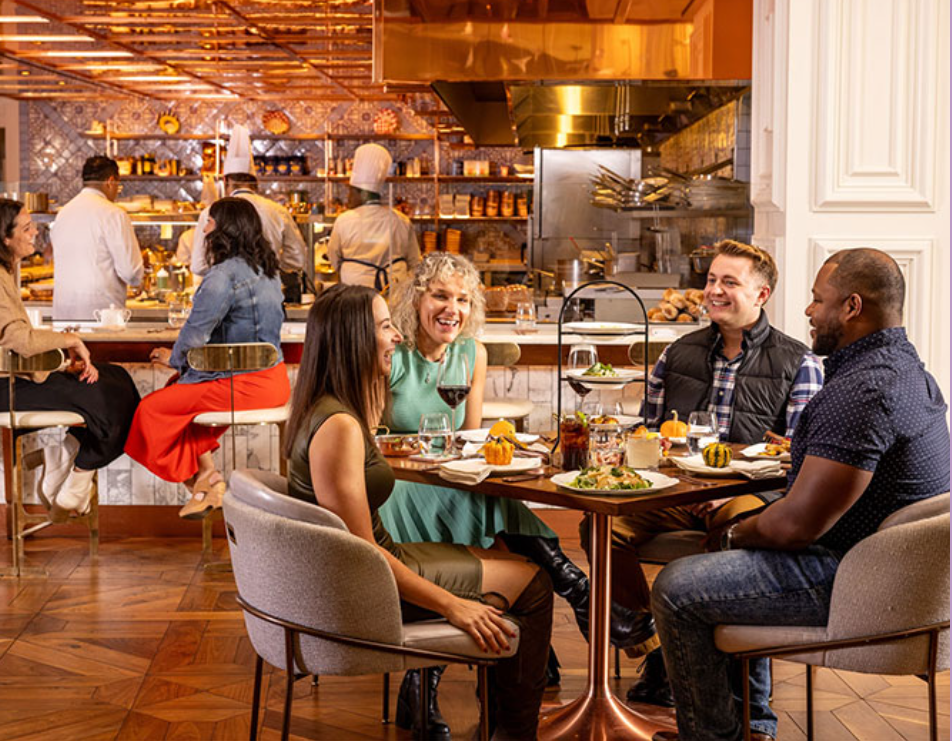
Guests enjoy an elevated, alcohol-free way to experience Dry January at Casa Don Alfonso at The Ritz-Carlton.
Casa Don Alfonso at The Ritz-Carlton has these options: The Picante, lightly spicy take on a spirit-free margarita. The Spice Trader, non-alcoholic Ritual Gin mixed with lemon and cinnamon syrup. Both drinks offer guests an elevated, alcohol-free way to complement Casa Don Alfonso’s Mediterranean-inspired menu throughout January.
Chao Baan (4087 Chouteau Ave., St. Louis, MO 63110)
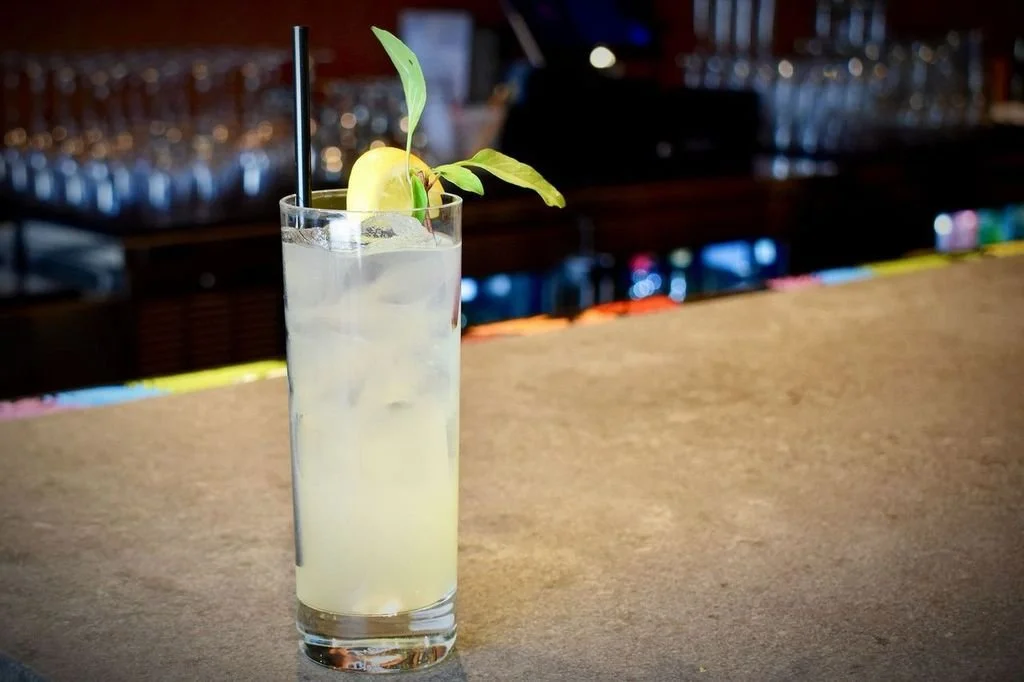
Chao Baan Thai Basil Lemonade
The Grove’s Thai restaurant, Chao Baan, has a selection of mocktails inspired by ingredients in their very own kitchen. Three Dry January drinks are the Tokay Boomer, Thai Basil Lemonade, and Mockery Mule Fizz.
DD Mau (Multiple Locations)
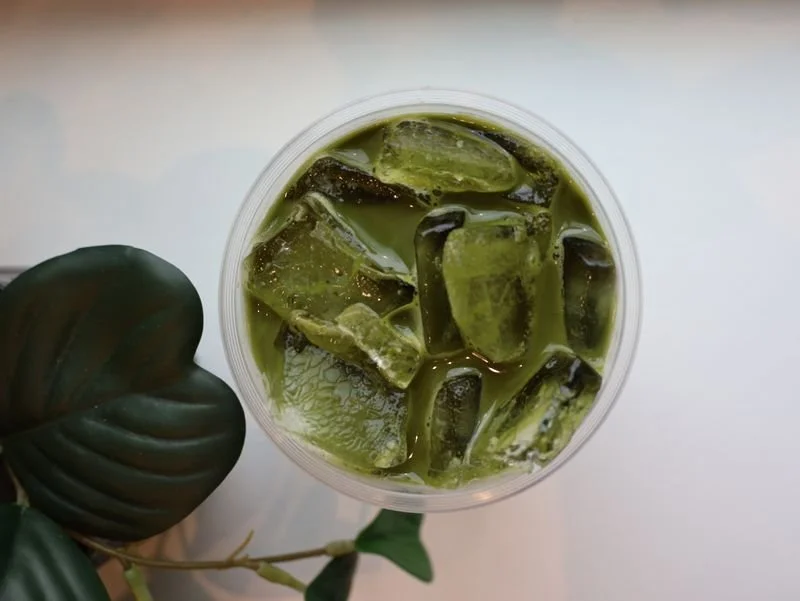
DD Mau Matcha Lattes.
DD Mau, the modern Vietnamese eatery with locations in Webster Groves and Maryland Heights, is celebrating Dry January with a bright lineup of house-made, alcohol-free drinks that pair perfectly with its fresh, fast-casual menu. Guests can choose from a variety of creative matcha lattes—including Mango, Blueberry, and Strawberry—for a lightly sweet, energizing sip, or keep things crisp with the guest-favorite Lychee Limeade.
Indo (1641D Tower Grove Ave, St. Louis, MO 63110)
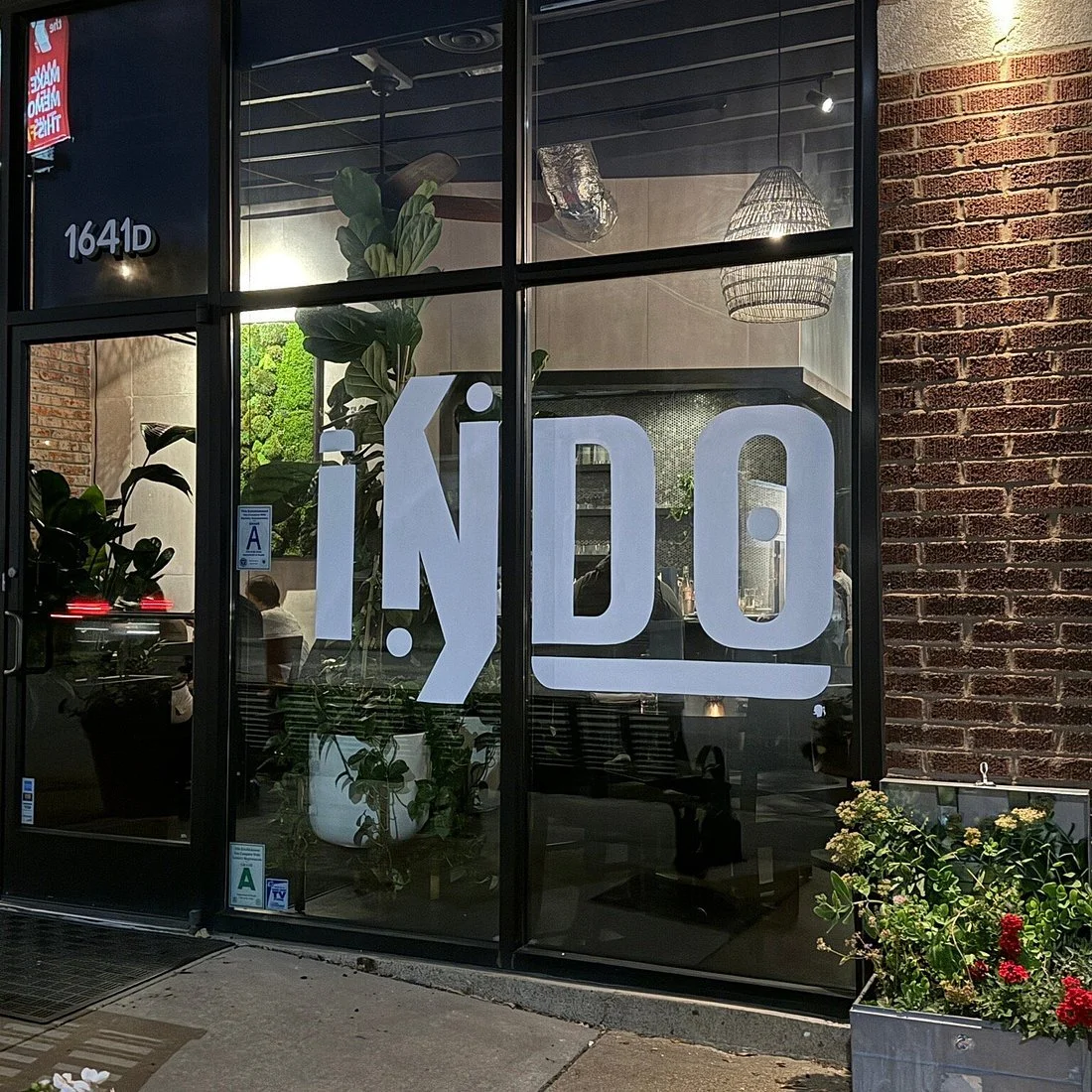
Indo offers a standout zero-proof menu for Dry January. Guests can sip on Simple as Pie, or explore the sweet–heat contrast of Silent Romance, or Indo’s housemade shrub sodas.
Le Meridien St. Louis Clayton (7730 Bonhomme Ave, St. Louis, MO 63105)
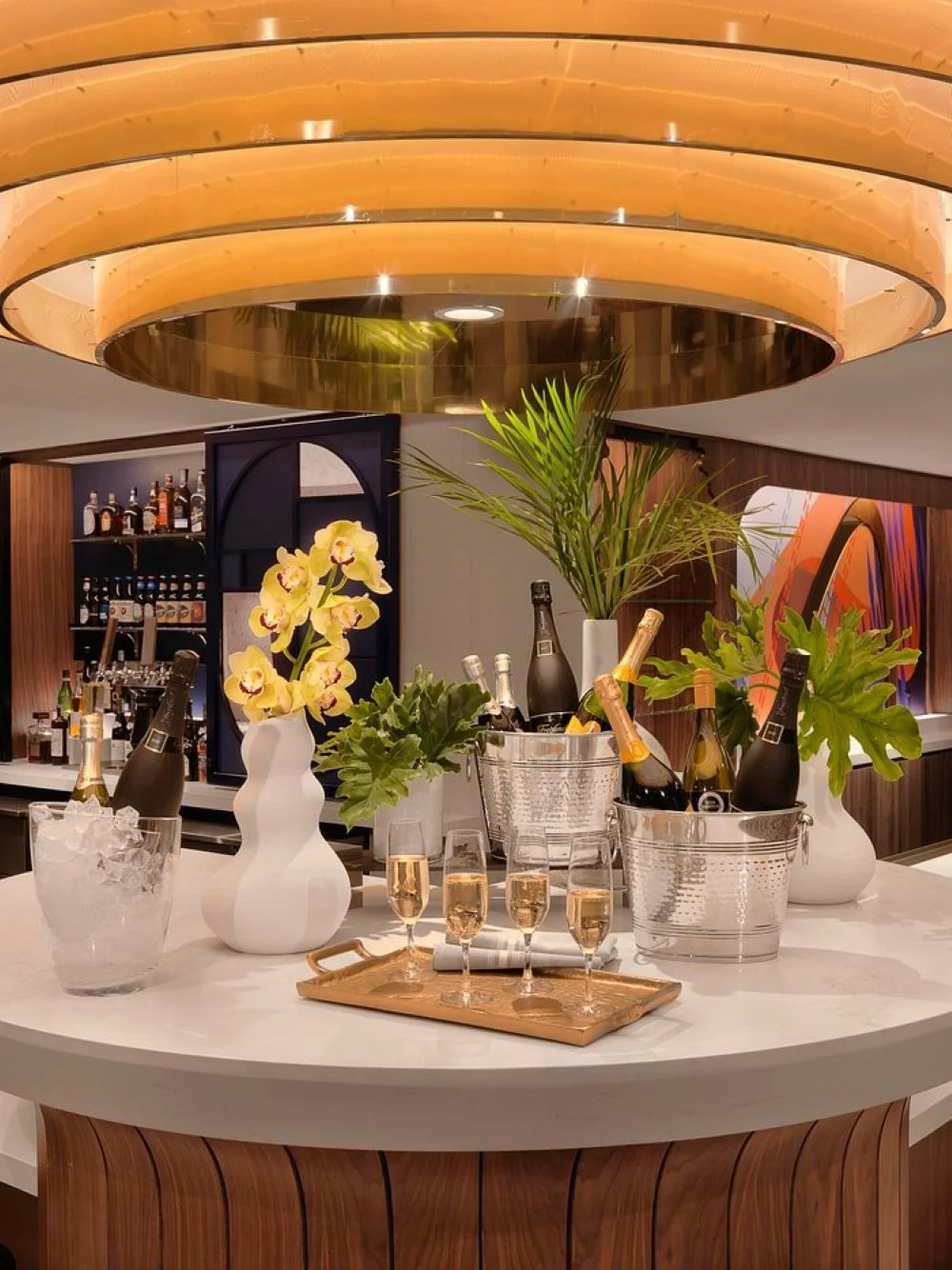
Café la Vie, located in the lobby of Le Meridien St. Louis Clayton, invites guests to take a personalized approach to spirit-free sipping with its expanded Dry January menu, available January 1–31, 2026. At the heart of this year’s offerings is the highly customizable Design Your Mocktail experience, putting guests in full control of their flavors. Explore options including: Pomegranate + Rose, Apple + Cinnamon, Citrus + Sugar, Orange + Honey, Cranberry + Spice.
Niche Food Group (Multiple Restaurants)
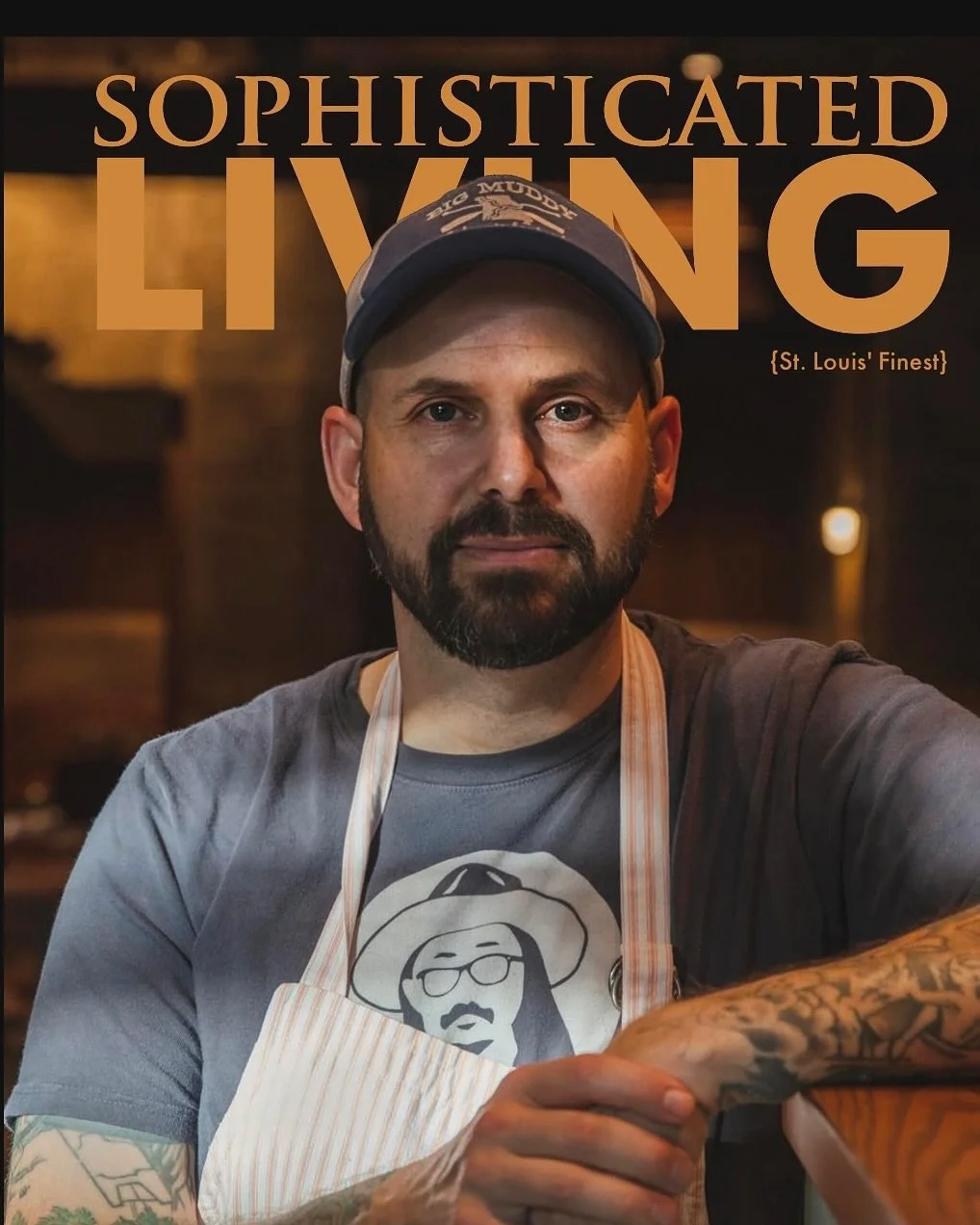
CEO and Executive Chef of Niche Food Group Gerard Craft
Niche Food Group’s portfolio of restaurants features a variety of mocktail offerings, from zero-spirited versions of classic cocktails at brunch to innovative creations enjoyed at an underground speakeasy.
Bowood by Niche: NA Blackberry 57 (na gin, blackberry, lemon, na sparkling), NA Jungle Bird (na rum, na aperitif, pineapple, lime, sugar), NA Cafe Martini (na tequila, espresso, honey), and more.
Pastaria: N/A Gin Spritz (bare zero proof gin, abstinence aperitif, club soda, "Good Twin" sparkling non-alcoholic prosecco), Nogroni N/A Cocktail (bare zero proof gin, abstinence aperitif, giffard aperitif, giffard grenadine), N/A Sweetheart 75 (bare gin, hibiscus, lime), and more.
None of the Above: Saturn (N/A gin, passionfruit, tiki syrup, orgeat, and lemon), Dolce Vita (Blood orange N/A vermouth, Ghia, and Nozeco), Seasonal Housemade Shrubs (Mixed with soda, tonic, or ginger beer), and more.
Sado (5201 Shaw Avenue, St. Louis, MO 63110)
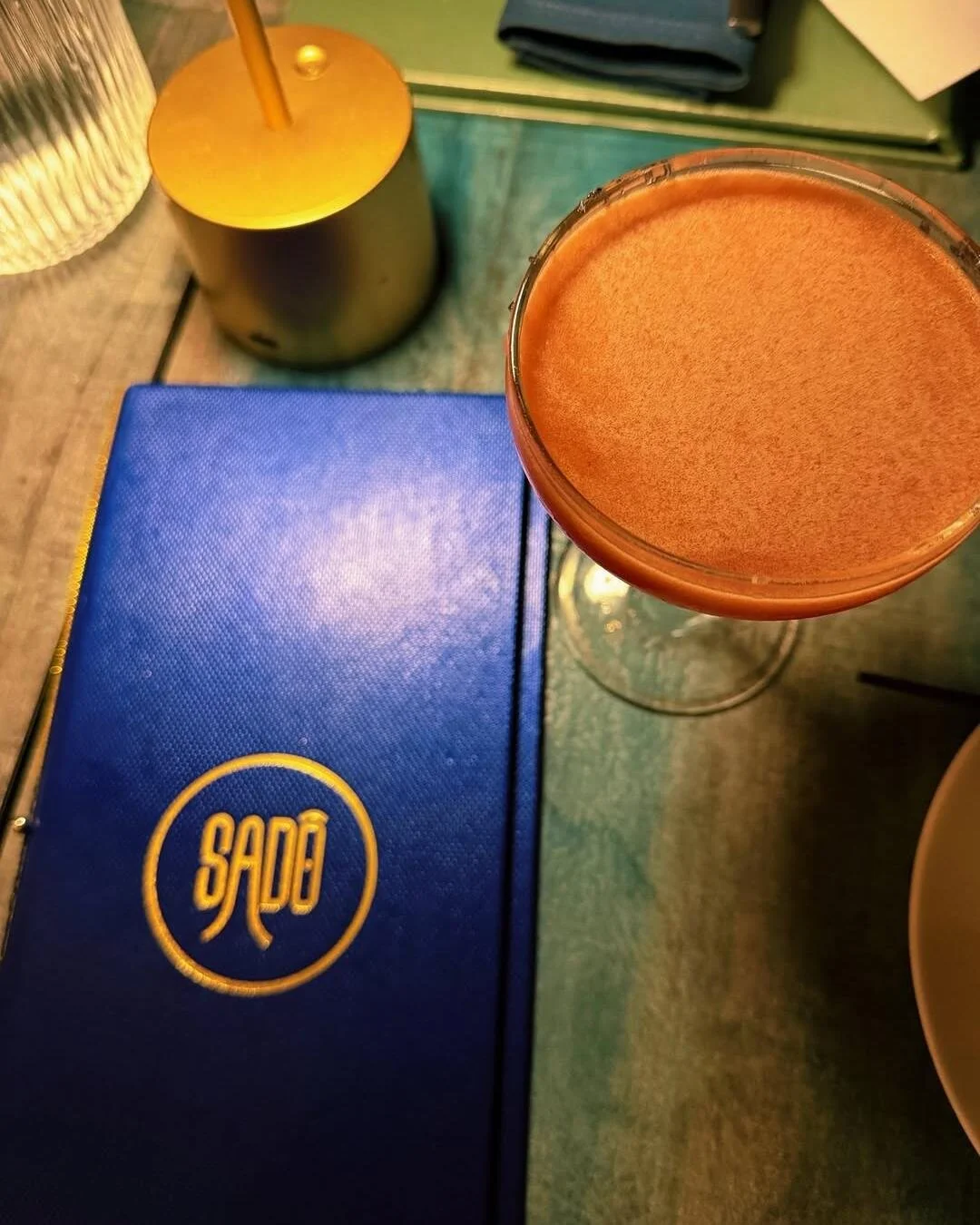
Sado, the acclaimed modern Japanese restaurant from Chef Nick Bognar, is giving Dry January a sophisticated twist with a curated selection of zero-proof cocktails crafted with the same precision and creativity found across its award-winning beverage program. Guests can enjoy spirit-free sips like the Guava Matsuri, a vibrant blend of guava-ginger-citrus cordial brightened with fresh lime and effervescent soda, or Kappa’s Dance, a layered, aromatic drink featuring shiso-oolong syrup, lemon, ginger beer, soda, and non-alcoholic bitters.
Why People Are Choosing to Go Dry (or Drier)
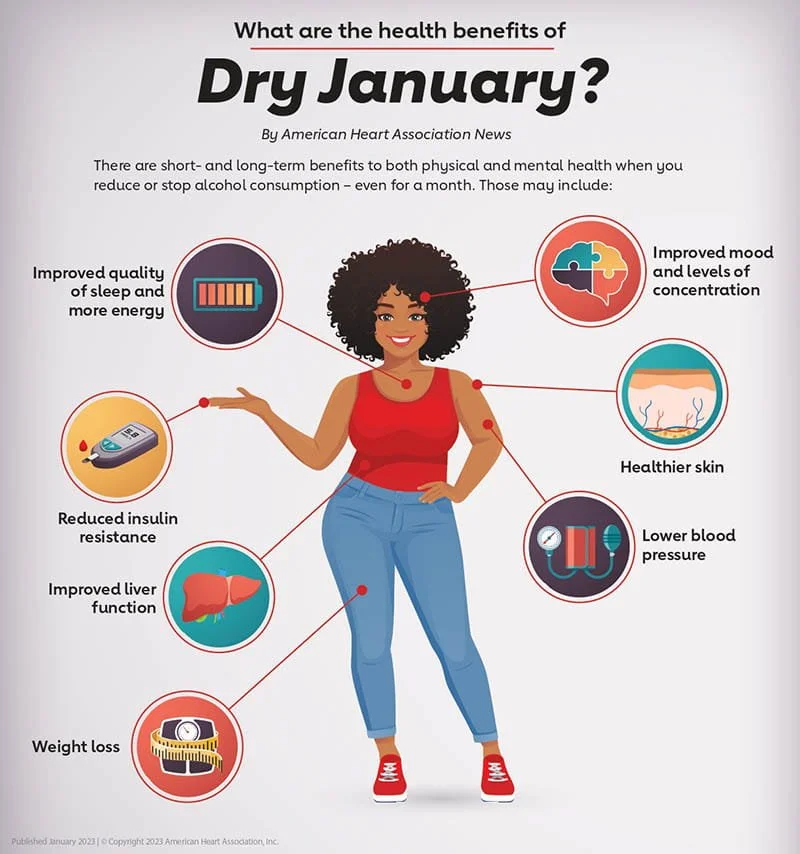
The motivations behind Dry January have become deeply personal. Improved sleep and mental clarity are often the first benefits that people notice, followed by better workouts and an improved sense of emotional wellness. January becomes a natural moment to take a look at some habits that may have gone unquestioned and potentially make some changes there.
There is also a cultural shift underway. Binge drinking feels increasingly out of step with mindsets focused on longevity and self-awareness. People aren’t necessarily looking to quit alcohol entirely (although a significant number of people are), but rather are looking to understand their relationship with it a bit better. That sense of balance aligns with a broader desire to live more intentionally and to feel in control rather than reactive.
Who Started the Dry January Social Trend?
Dry January stems all the way back to 1942. That was when the Finnish government decided to start a war effort campaign to reduce alcohol consumption.
However, it was the United Kingdom that gave birth to the concept that became a worldwide trend. It was started by Alcohol Change UK (who owns the trademark for Dry January). In January 2011, a woman named Emily Robinson joined the educational organization and shared that her half-marathon results were better after she obtained from alcohol. It became a formal health campaign annually in Great Britain in 2013.
By 2022, the idea really caught on, thanks in part to COVID-19 health implications. Remember the COVID lockdown? Stores were closed, businesses sent people home to work remotely, and the impact on the economy was catastrophic. Many Americans suffered substantial emotional losses of family and friends and economic hardship.
That year, the Dry January initiative hit an all-time high (pun intended) in response to increased alcohol consumption during the COVID-19. The National Institutes of Health reported research from Morning Consult that stated 1 in 4 Americans were drinking much more than usual while social distancing at home.
Post-Covid there was a natural transition to lessen alcohol consumption since everyone had to cut down as lockdowns were lifted. Dry January was a natural fit.
Dry January’s Evolution
What started as a temporary detox has become something a bit more intentional. Dry January is now a chance to pause and take stock, not just of drinking habits but of routines, social expectations, and personal well-being in general. Folks are no longer interested in abstinence for the sake of it. They’re more interested in creating balance in their lives.
Attitudes toward alcohol are shifting alongside broader wellness trends. Consumers are paying closer attention to how alcohol affects their sleep, their mental health, and their energy levels. At the same time, there is growing curiosity around alternatives that still allow for relaxation and social connection. Dry doesn’t necessarily mean deprivation anymore and its driving people to make new discoveries on the options they have available to them.
What “Dry” Looks Like in 2026: Elevated Alternatives
Dry January no longer looks like isolation. Instead, people are redefining social rituals through dinner parties, date nights, group gatherings, and carefully chosen environments where intention matters. Cannabis and non-alcoholic drinks have become tools for connection rather than substitutes for something missing.