
Where the Land Speaks: Inside Santa Barbara Wine Country
Written and photographed by Jay Gulick
When our small group arrived on a sunbaked hill in the sweeping Santa Maria Valley of Santa Barbara County, rancher and winemaker James Ontiveros greeted us with a smile and a refreshing mid-morning glass of his Native9 Pinot Noir.
Wearing rumpled Wranglers, a gleaming, oversized belt buckle and a broad-brimmed cowboy hat, Ontiveros looked every bit the guy who attended Cal Poly-San Luis Obispo thirty years ago on a rodeo scholarship.
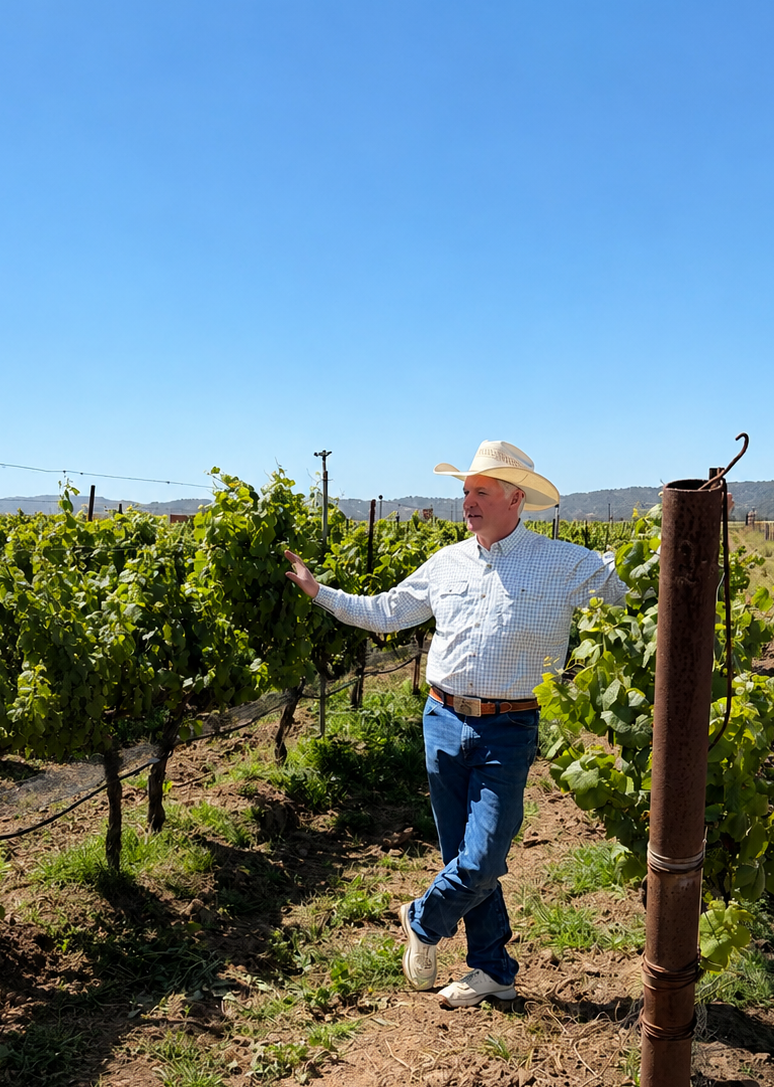
James Ontiveros
The Ontiveros family arrived in California from Sinaloa, Mexico during the American Revolution in 1781, making James the ninth generation to farm this fertile valley. In addition to Native9, Ranchos de Ontiveros produces crisp, neutral oak chardonnays under the Rancho Viñedo label.
After 30 years in the wine business, Ontiveros is certain that the vintages produced in Santa Barbara occupy a unique and distinguished place in the industry. “There is an energy and freshness in these wines, from A to Zed, that you don’t get anywhere else.”
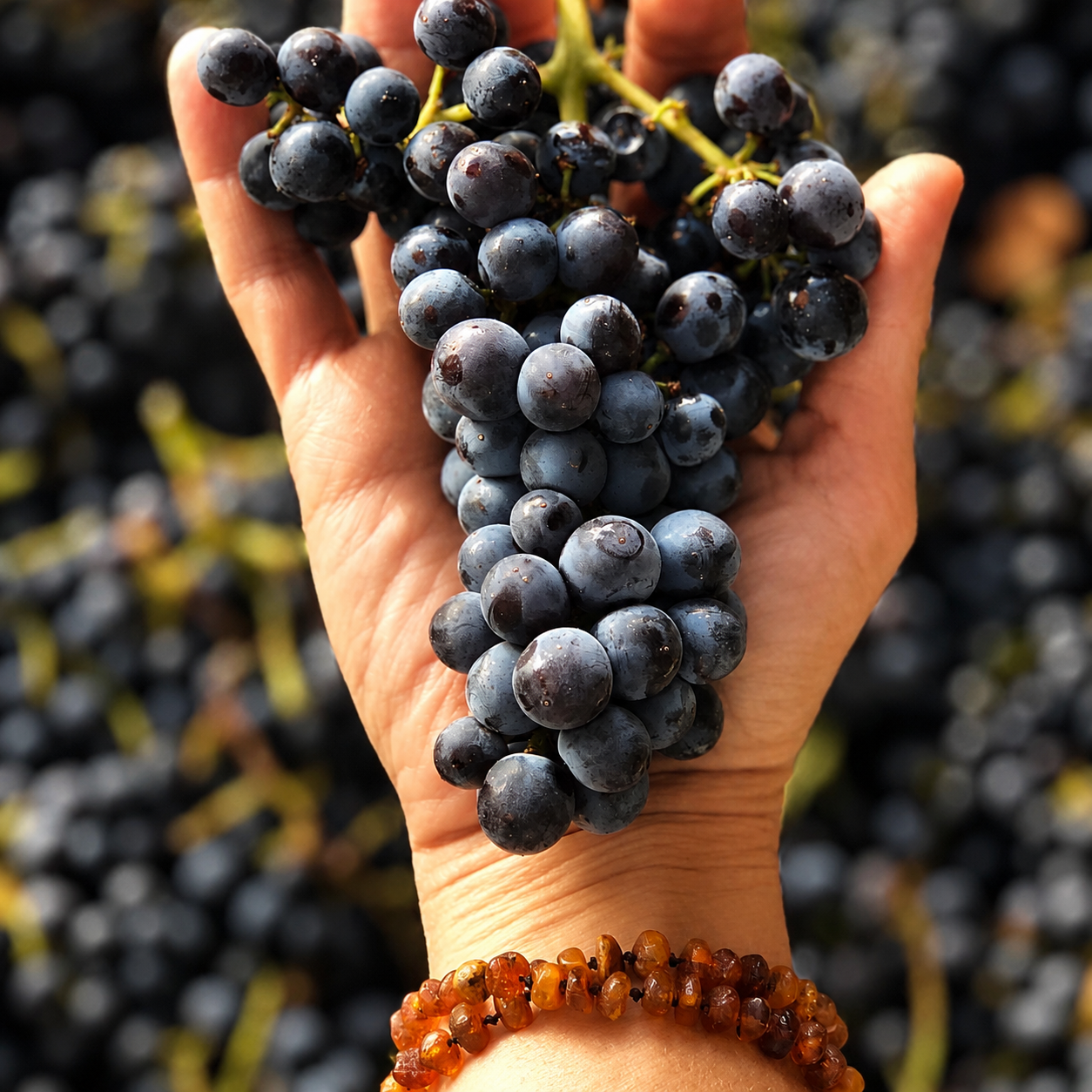
Over three cloudless June days in Santa Barbara, I learned the only thing as vibrant and interesting as the impressive selection of California wines being produced in the region is the passionate and accomplished community of winemakers crafting them—although most of them prefer the focus remains squarely on the wine. “The wine is not about me,” insists Jessica Gasca, founder and winemaker at artisanal winery Story of Soil in Los Olivos. “It’s about the place.”
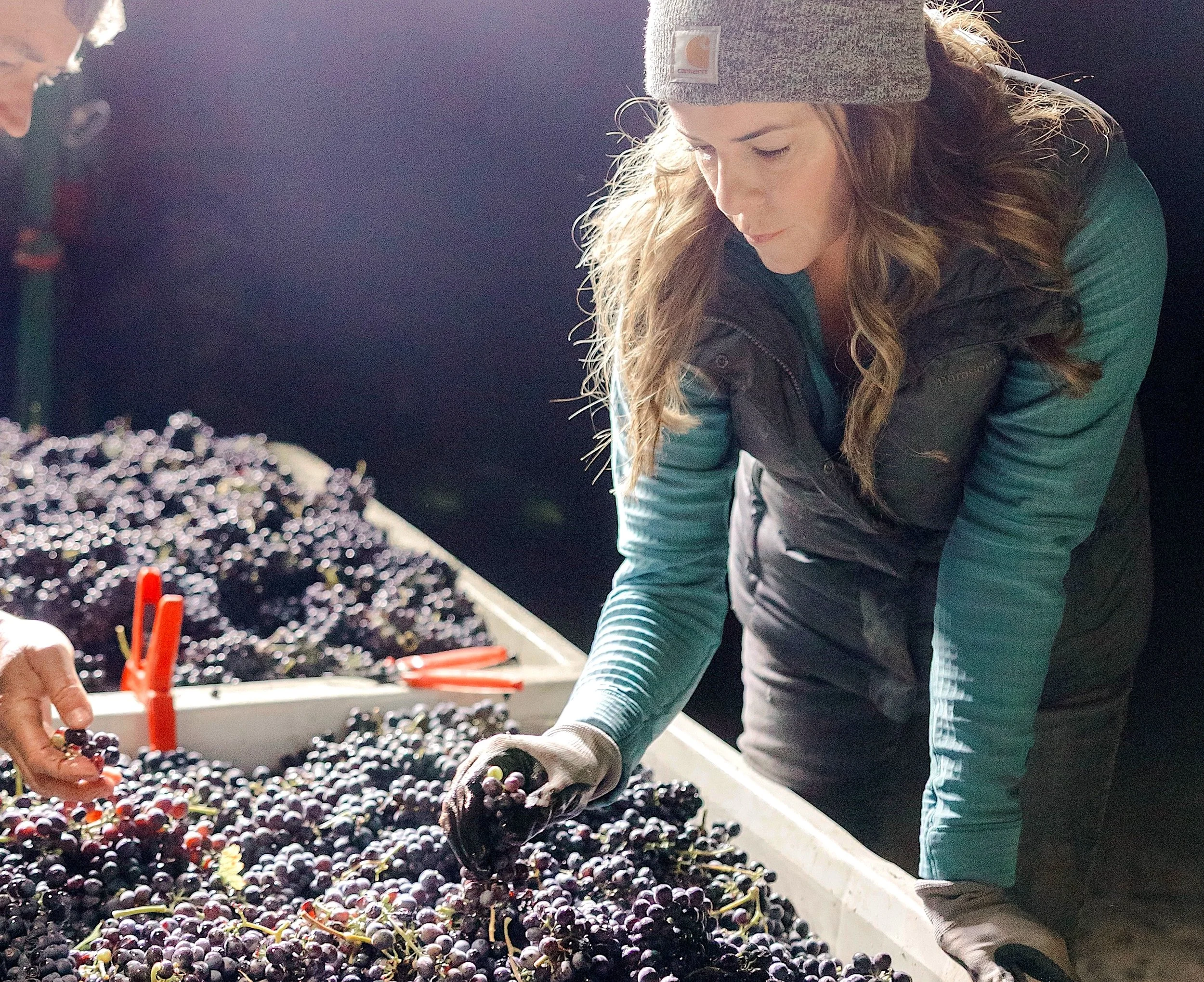
Jessica Gasca
In Gasca’s case, making the wine about the place centers on her conviction that the soil and favorable microclimate in which her grapes are grown allow the land to speak through the elegant, balanced grenache, pinot noir, syrah and sauvignon blanc varietals she produces in small lots sourced from carefully farmed vineyards.
Unlike the renowned Napa Valley 350 miles to the north, which produces more than 9 million cases of wine annually, Santa Barbara County produces just 2 to 3 million, depending on the year.
Whereas Napa is home to several large corporate owners like Duckhorn and E.&J. Gallo, Santa Barbara is home to mostly small, independent producers like Gasca, for whom making wine is as much a calling as an occupation. “I really believe wine is more than just wine,” she told me. “Wine is art, science, geology, geography, and philosophy. It’s history but it doesn’t stop there. It’s a glimpse of the past, the present, and the future. It’s cross-cultural. Wine is a connector—connecting us to the land and connecting us as humans when we open and share a bottle.”
Known as the “American Riviera” for its stunning south-facing coastline that produces year-round sunshine, its temperate Mediterranean climate, and laid-back lifestyle, Santa Barbara is the epitome of California cool, and its wine community reflects this vibe.
Home to seven distinctive American Viticultural Areas (AVAs) and more than 300 wineries and tasting rooms, the region benefits from a unique confluence of topographical and climatic factors. This exceptional environment facilitates the cultivation of more than 75 grape varieties, ranging from Albariño to zinfandel. As Phil Carpenter, general manager of the Santa Barbara Vintners’ Association puts it when elaborating on the diversity of the area, “We’ve got like eight world-class winemaking regions in our county.”
The Transverse Ranges in Santa Barbara County (Santa Ynez, San Rafael and Sierra Madre) are among the only mountains in the continental United States that run east-to-west instead of north-to-south. This east-west orientation acts as a funnel, allowing cold winds, fog, and the marine layer—a mass of cool, humid air that develops over a large body of water and acts as a container for fog—to flow freely in from the Pacific Ocean. Located 12 miles from the coast, the Santa Rita Hills AVA, with its cool breezes, warm afternoon sun and preponderance of sandy, loamy soil, is particularly hospitable to growing pinot noir and chardonnay.
To the north and a little further inland than the Santa Rita Hills, the Santa Maria Valley AVA features one of the longest grape-growing seasons in the world owing to chilly Pacific winds and fog that settle in the low-lying river valleys. This extended “hang time” influences the sugar-acid balance of the grapes and helps produce complex pinot noir, chardonnay, cool-climate syrahs, and cabernet sauvignons. Ontiveros explained the interdependent importance of timing and taste to our group by saying, “I want to make wines from physiologically mature fruit, before it gets sugar ripe.”
There’s an oft repeated saying in Santa Barbara that for each mile you travel east, away from the ocean, the temperature rises one degree Fahrenheit. Happy Canyon (a nickname earned during Prohibition owing to several remote and joy-inspiring moonshine operations in the area) is the furthest AVA inland and, as a result, the warmest, making it an exceptional place to grow bold Bordeaux varietals like cabernet sauvignon and sauvignon blanc.
All the winemakers I met in Santa Barbara, regardless of their place in the enormous 3,800-square-mile county, expressed a deeply respectful and symbiotic relationship with the land. None more so than Chad Melville, with whom we met at his family’s eponymous winery in the town of Lompoc.
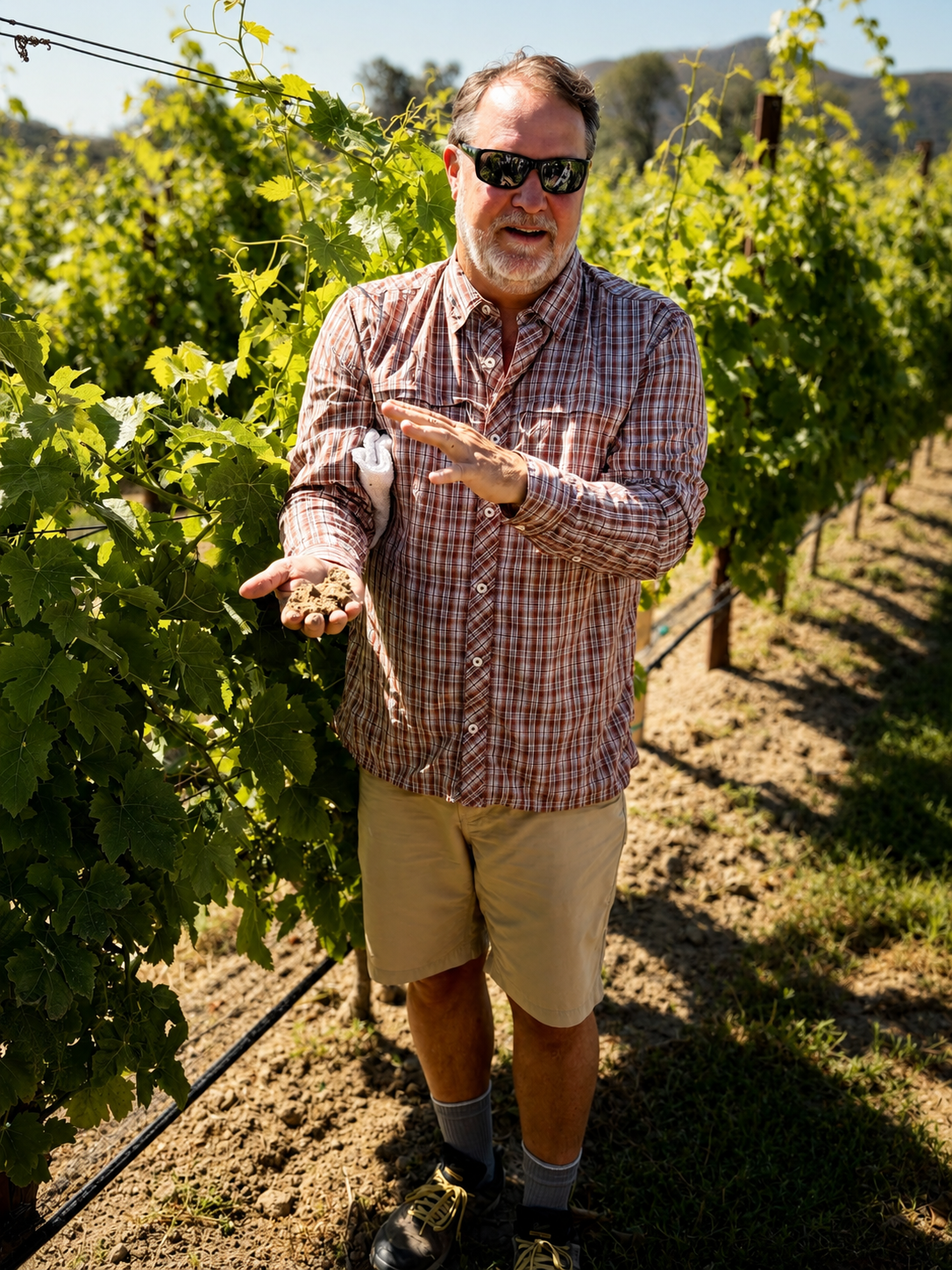
Chad Melville
The origin story of Melville Winery begins with Chad’s father, Ron. Following a career in the military, Ron fell in love with wine in the late 1960s, attended viticulture classes at the University of California, Davis, and bought a vineyard. Melville Winery, under Ron and Chad’s leadership, has been in its current location since 1996 and features 130 acres of organically grown grapes.
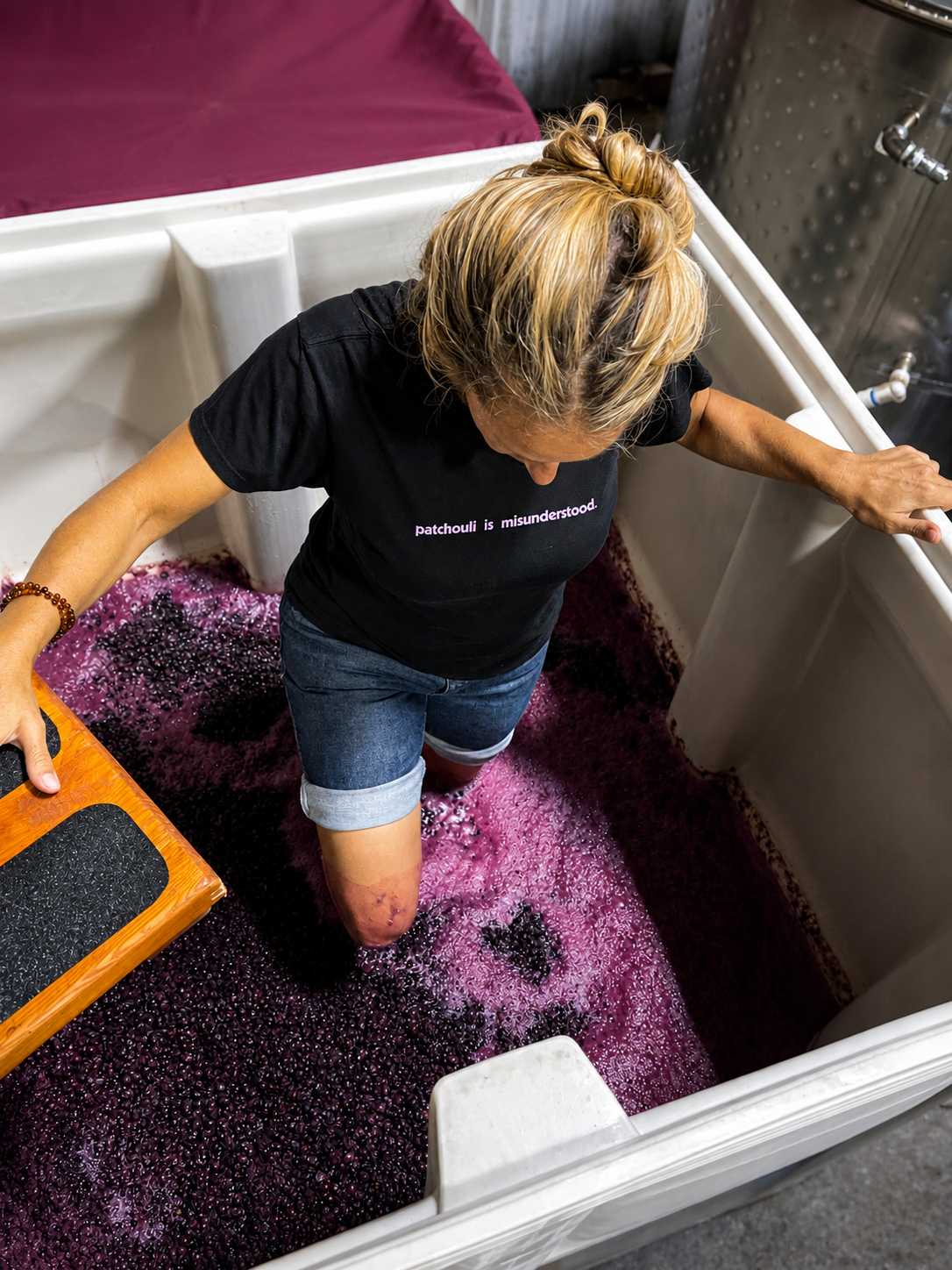
After touring the vineyard, we sampled a sublime array of Melville’s Santa Rita Hills pinot noir, syrah and chardonnay. During the tasting, Chad told us a story, which quickly took on the quality of a parable.
One day, during a bad storm, the Santa Ynez River breached its banks and flooded a large section of the vineyard. Chad was rushing around frantically, trying to stem the rushing water and protect the vines.
Ron said to him, “What are you doing?”
Chad responded, “Trying to save this fucking place. What are you doing?”
“No, you have to let it go,” said Ron. “You have to let it run its course. Then we come in and rebuild.”
This exchange between father and son illustrated the greatest lesson Chad told us he had learned in 30 years in the wine business: giving up some measure of control over the process in order to work in harmony with the natural world. “Our business plan, the foundation of everything we do, is tied to Mother Nature. So we need to be able to look her in the eye.”
If Bacchus, the ancient Roman god of wine, were looking for a worthy place to hang his ivy crown in 2026, he wouldn’t find a more enchanting or visually striking venue than Presqu’ile Winery in the Santa Maria Valley. Situated high on a hill, with extensive views of the vineyard and ocean in the distance, the modern facility features an energy-saving, gravity-flow design, a butterfly roofline, and an indoor-outdoor orientation that integrates it into the natural landscape.
Over a colorful Mezze lunch of gazpacho, stuffed piquillo peppers, salad, chorizo skewers, paella rice, and fresh farmer’s cheese, we sampled aligoté, chardonnay, and gamay varietals and chatted with Presqu’ile’s founding winemaker, Dieter Cronje, and its co-founder and owner, Madison Murphy.
Murphy explained that Presqu’ile is a French word for “almost an island” or “peninsula” and was originally a name bestowed on a beloved piece of property the family had owned on the Mississippi Gulf Coast since the 1950s. Hurricane Katrina destroyed the Louisiana compound in 2005, but the family took the name as inspiration for the winery, which they started on the site of a former Gladiola farm in 2007. Presqu’ile has since been named “One of the ten most beautiful wineries in California” by Condè Nast Traveler.
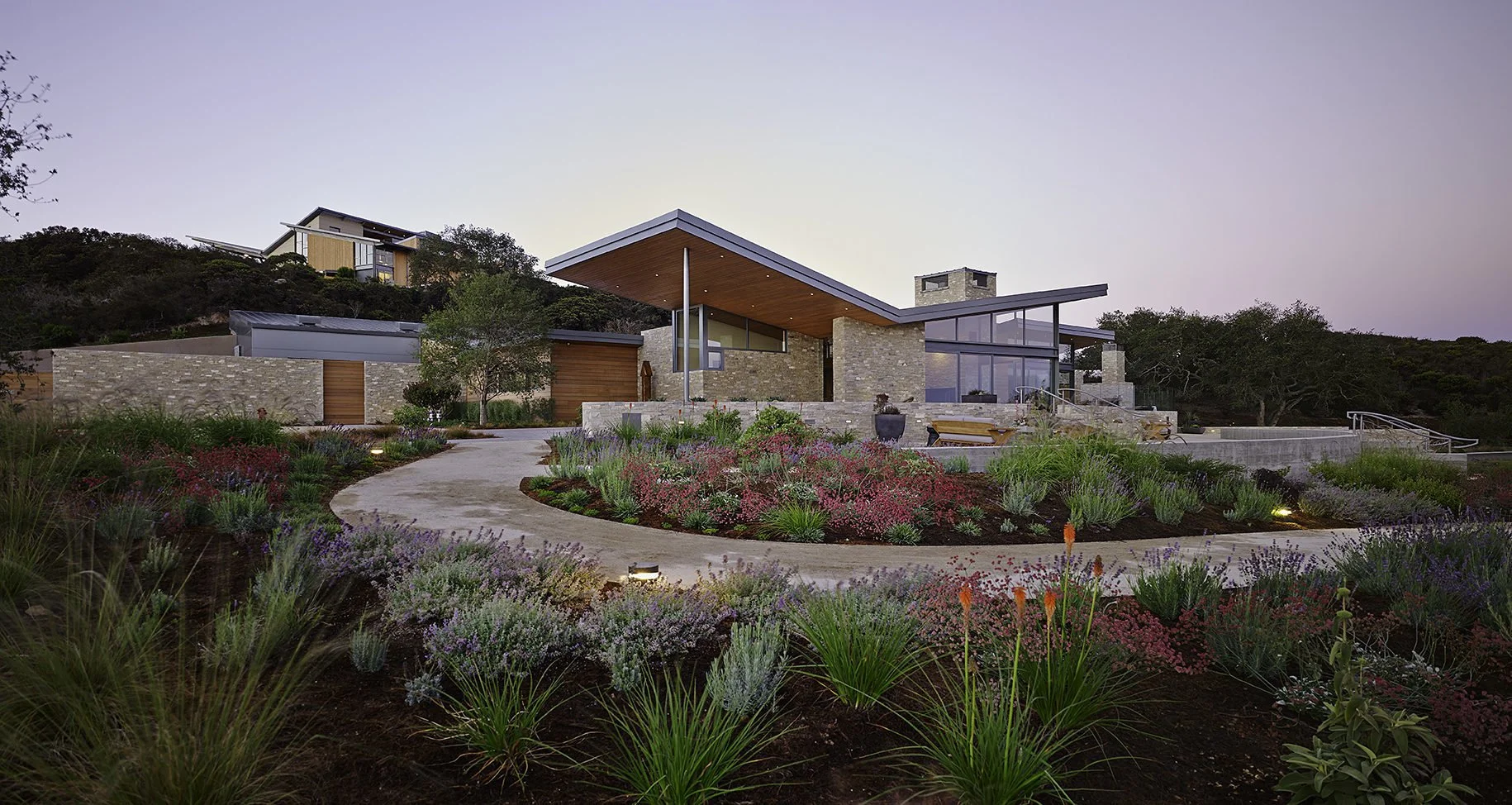
Presqu’ile Winery
We gathered on our last evening around a meal of sea urchin, wild Gulf shrimp with apricots, steak au poivre, and a sinfully rich dark chocolate mousse with toasted rosemary, at the French-inspired, Michelin-starred bistro Bell’s in Los Alamos. Our dinner companions were winemakers Will Henry from Lumen Wines and Angela Osborne from A Tribute to Grace Wine Company, as well as A.J. Fairbanks, estate director at Crown Point Vineyards in Santa Ynez.
While the server poured Osborne’s 2023 Santa Barbara Highlands Vineyard Grenache, someone across the table asked her how she described this particular wine (the way it was asked made me think the questioner already knew the answer and just wanted the rest of the table to hear it).
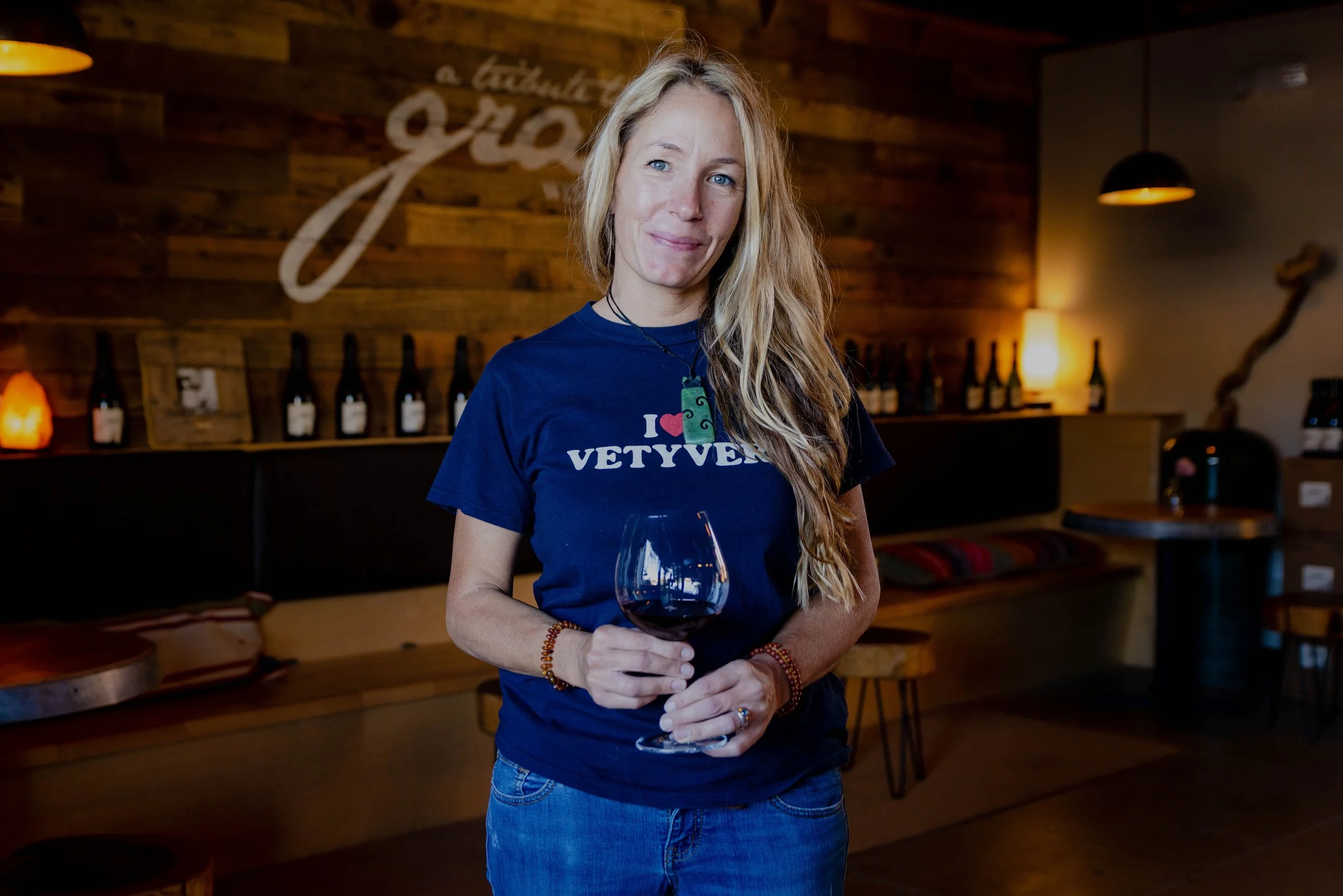
Angela Osborne
Osborne answered in her melodious New Zealand accent, “It’s like a woman riding bareback without shoes on, carrying an incense stick.” It was difficult for me to imagine one of the corporate types up in Napa casually dropping that description on one of their $200-a-bottle Cabernets.
When I later spoke to Osborne about the challenging conditions in which the Highlands Grenache is grown, her enthusiasm for the site in the Cayuma Valley was clear. “It’s incredible. The vineyard is a mile high. There’s tumbleweed and coyotes and a shock of green. And there’s a 50-degree daily diurnal shift.” The diurnal shift is the temperature differential between the hottest part of the day and the coldest part of the night, and it is highly prized by those seeking to make bold, complex red wines like Grace’s Grenache.
Osborne and Gasca, in particular, made a point of talking about the camaraderie and character of the winemaking community in Santa Barbara. In fact, everyone I met on my visit spoke warmly of their colleagues (and ostensible competitors) and stressed what a supportive place it was to work and live.
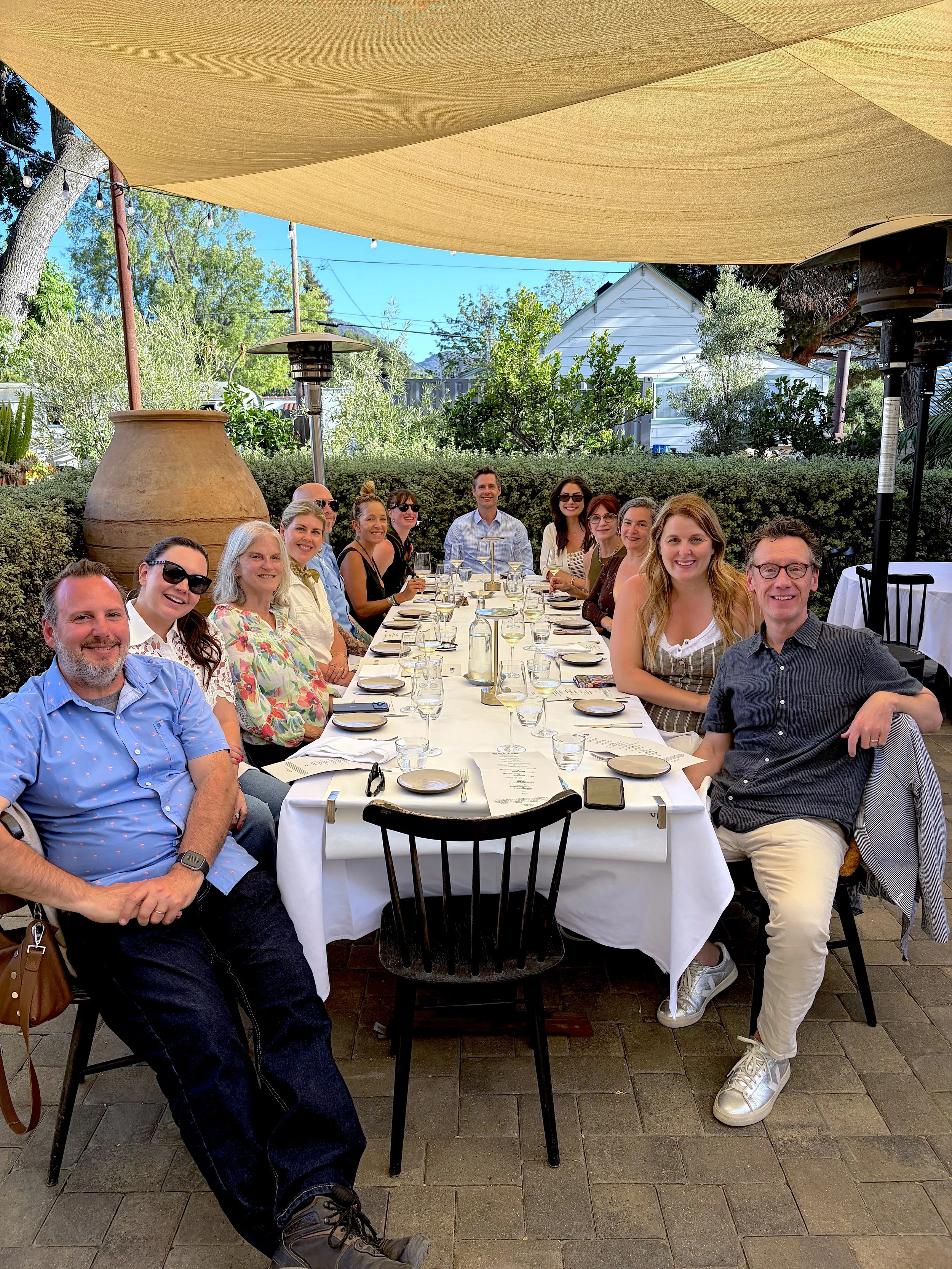
The author (front right) with winemakers and journalists at Bells Bistro in Los Alamos.
It seemed the years they had collectively spent at the mercy of Mother Nature had engendered a common sense of humility as well as a deep-seated pride of place. The winemakers of Santa Barbara County are a cheerfully irreverent bunch who venerate the sea, sun, and soil that govern the annual fruit of their labors. This fosters an exceptional spirit of community—one that is even greater than the sum of the impressive, delicious wines they each produce.