The Power of Culture
For founders PJ and Bear Kaminer, yogurt is just the beginning.
By Melissa Mahanes | Photos by Eli Millner
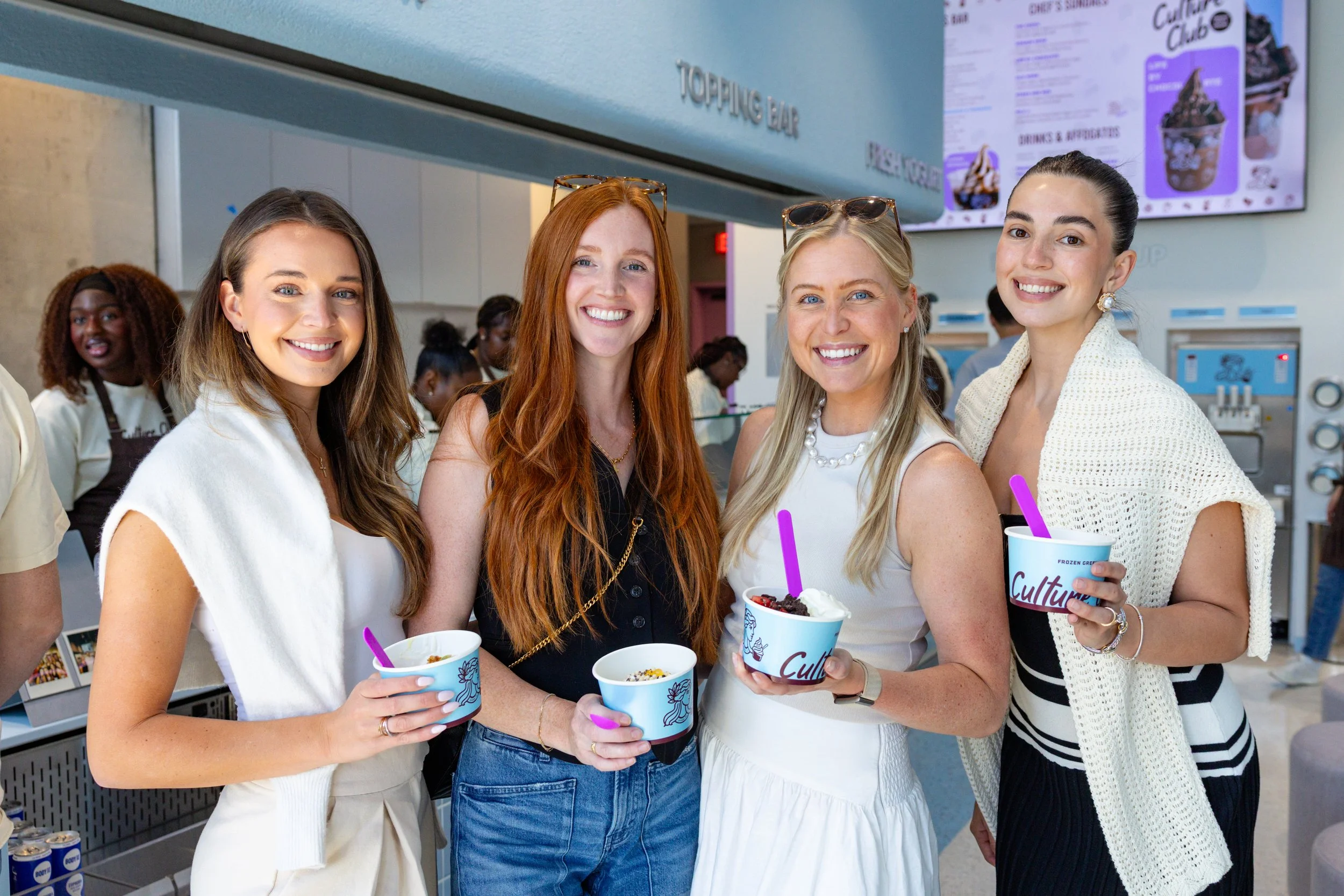
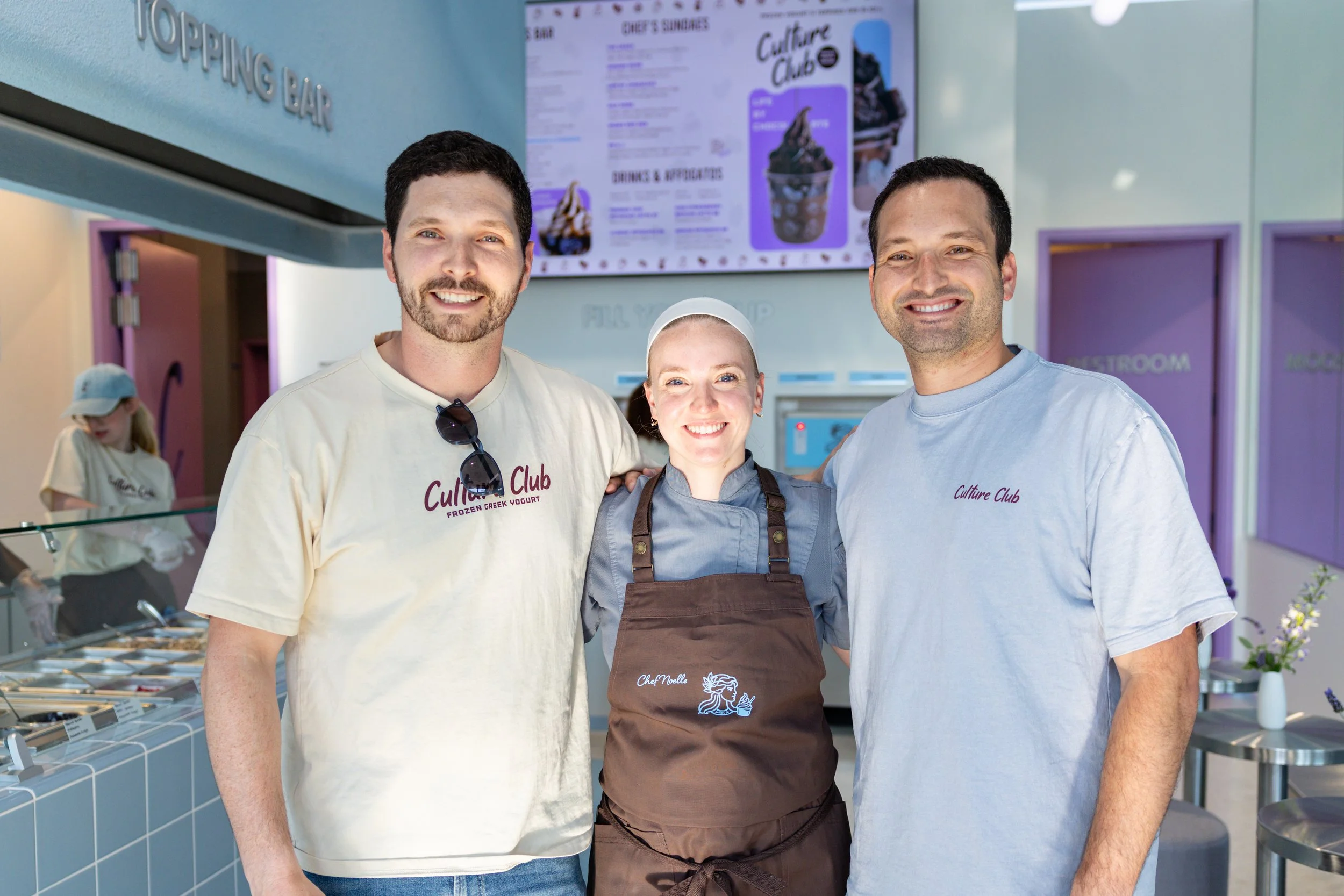
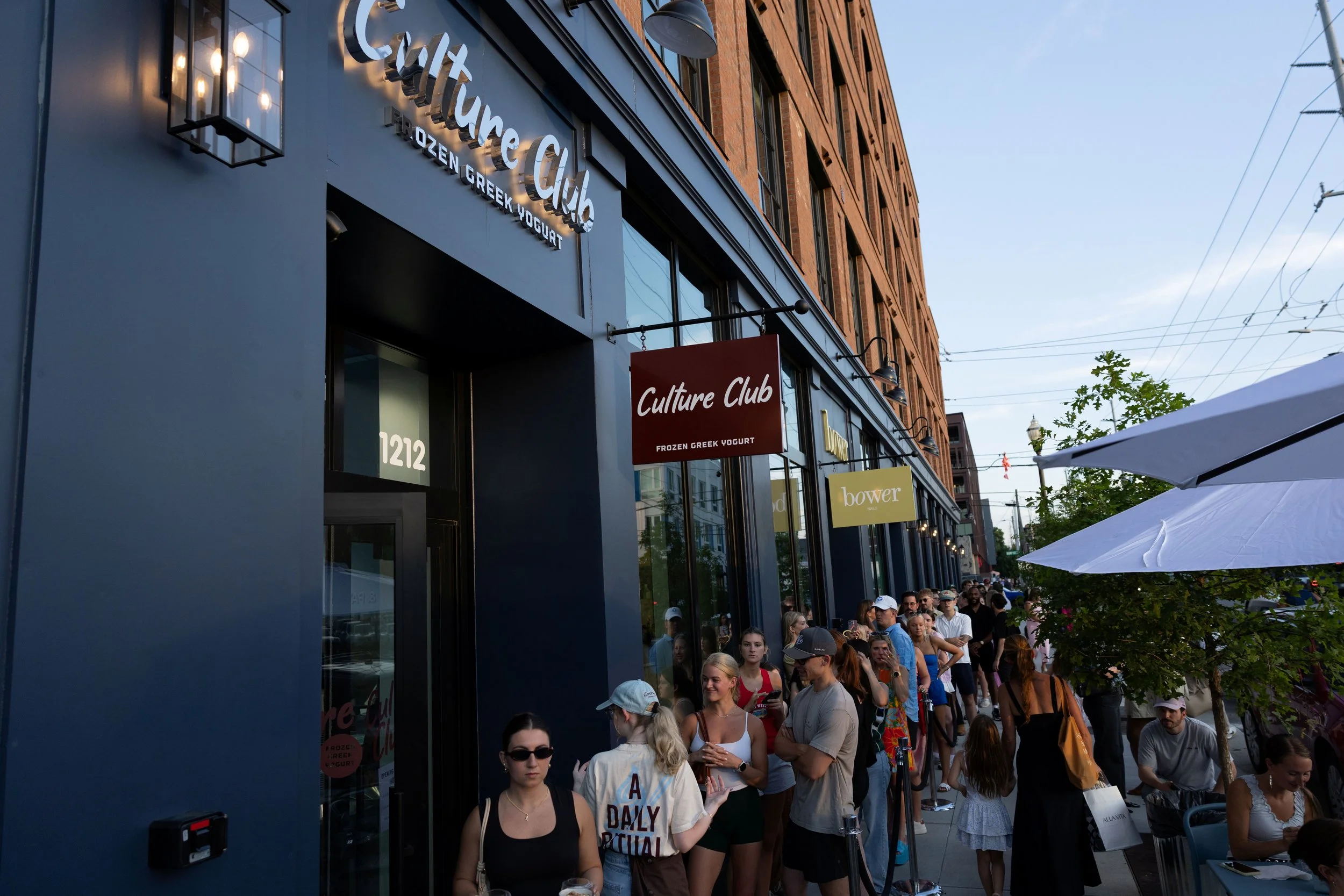
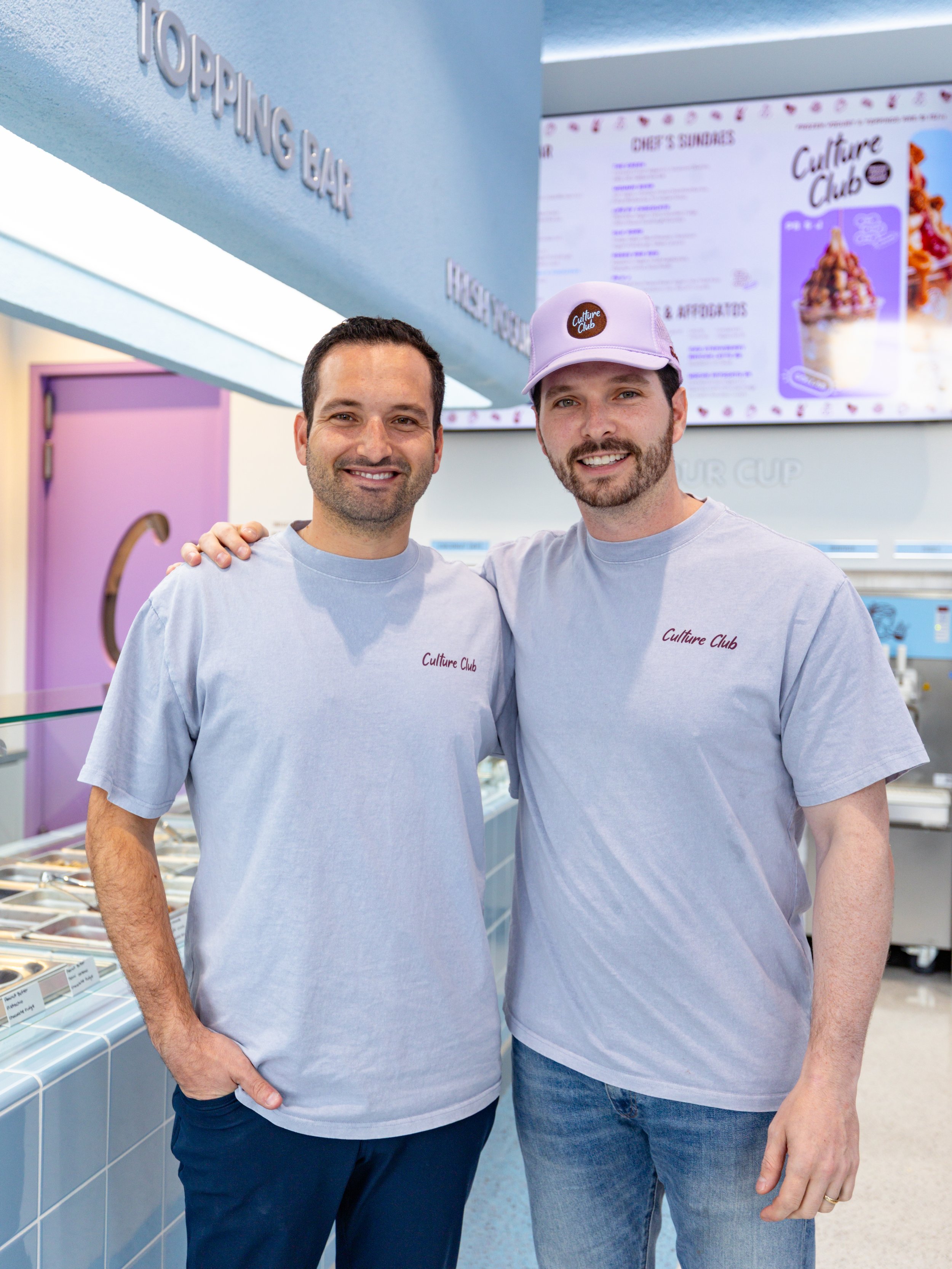
On June 5 in Nashville, St. Louis brothers, PJ and Bear Kaminer, launched a chef-inspired fresh and frozen Greek yogurt cafe named Culture Club, designed for how people increasingly want to live today — healthier, more connected, more intentional, yet still appreciative of life's guilty pleasures.

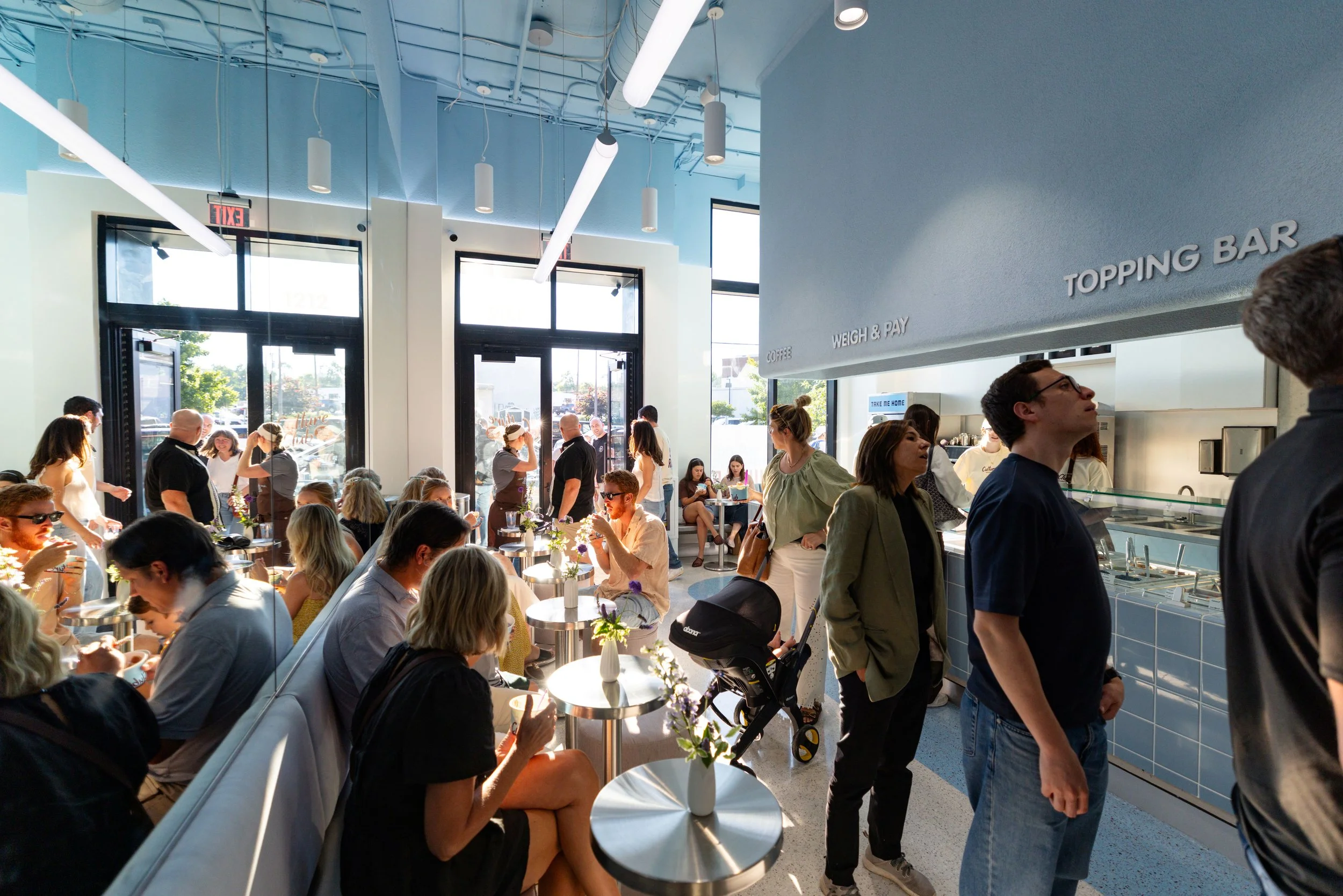
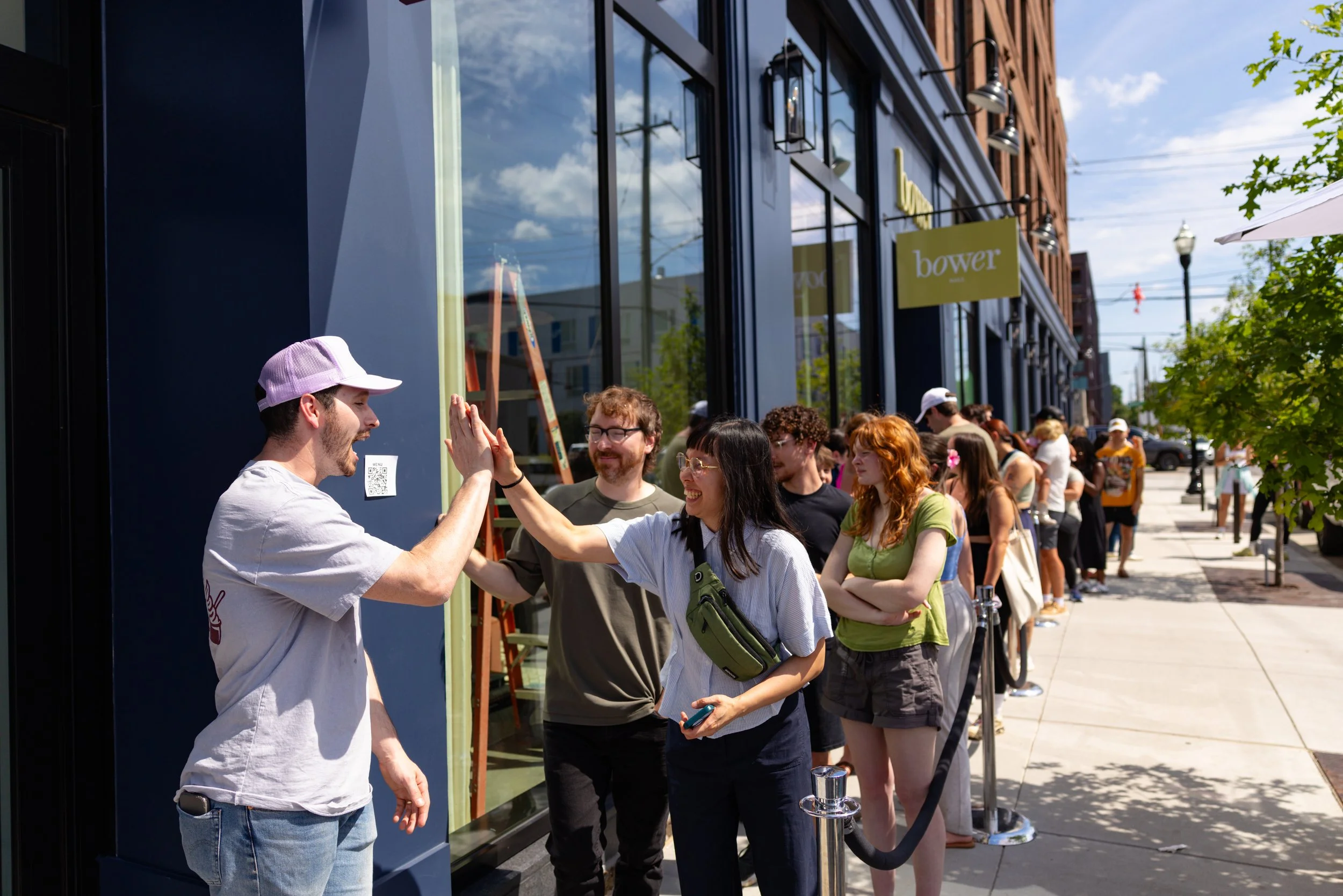
Brothers Bear and PJ Kaminer, and Noelle Marchetti welcoming long lines of guests to their chef-inspired fresh and frozen Greek yogurt cafe named Culture Club.
As the brothers witnessed a renaissance in premium yogurt concepts across America – and the lack of great options in Nashville and other high-growth, mid-market cities – they imagined something unique which curated a healthier product (most frozen yogurt barely has any yogurt in it), with chef-inspired ingredients sourced from around the world, a club environment with an elevated interior design and an eye to building community thru genuine hospitality.
What specialty coffee was to the 1990s and craft ice cream became in the 2010s, high-end yogurt destinations are increasingly becoming a destination for a new generation of health-conscious consumers. From Manhattan's SoHo and Upper East Side to Los Angeles' Silver Lake and Venice Beach and throughout Miami's Design District and Coconut Grove, a new breed of yogurt cafés has emerged.
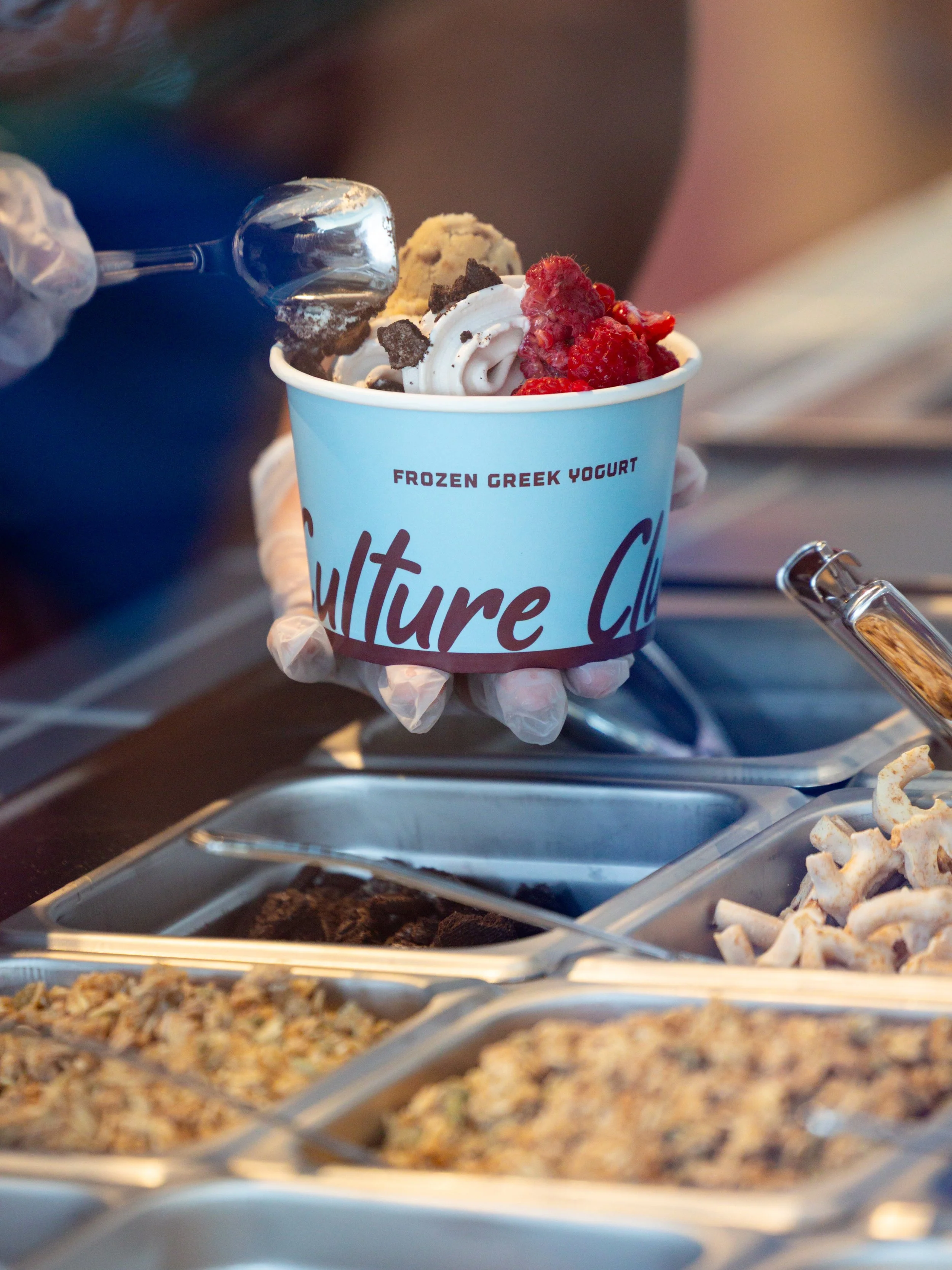
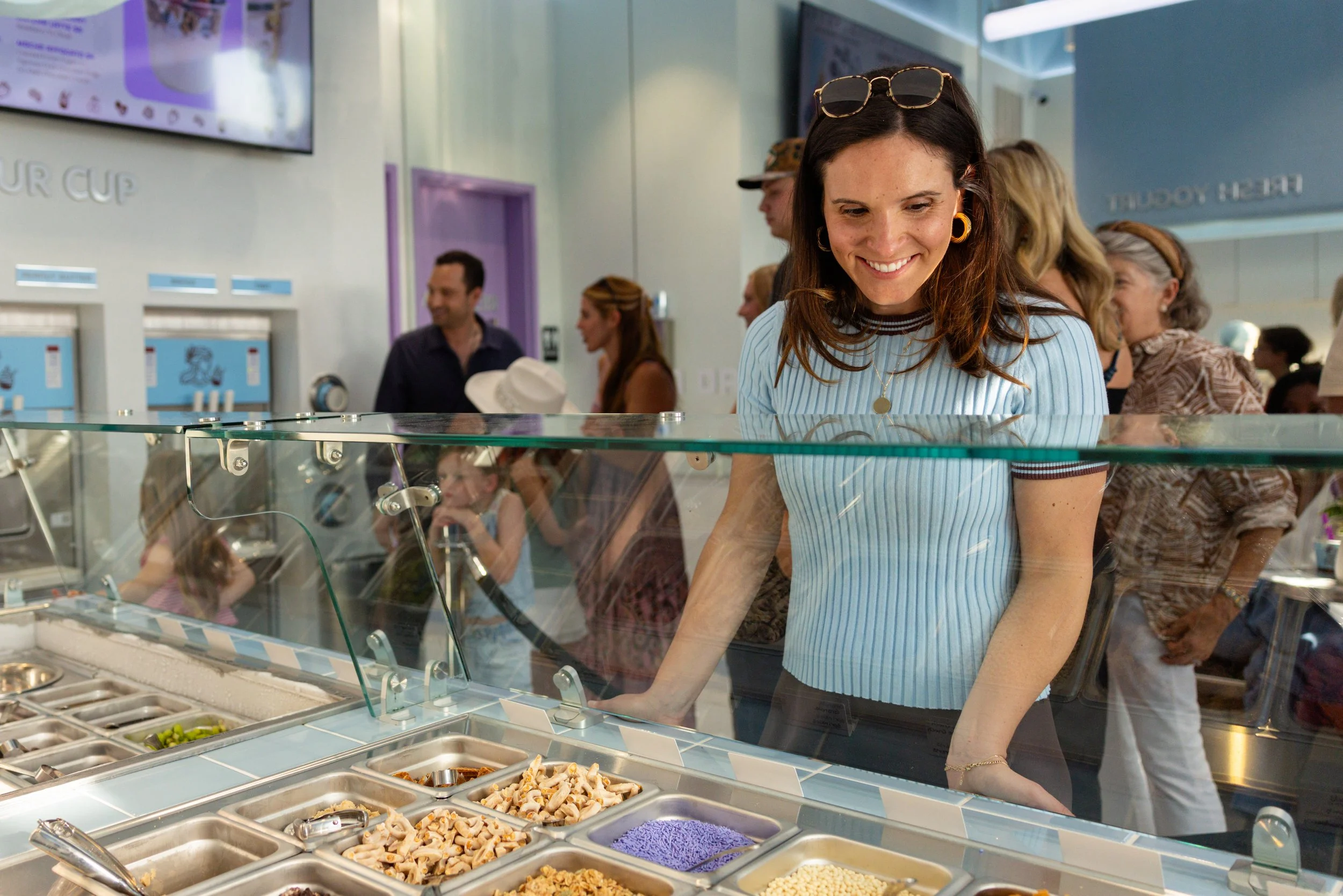
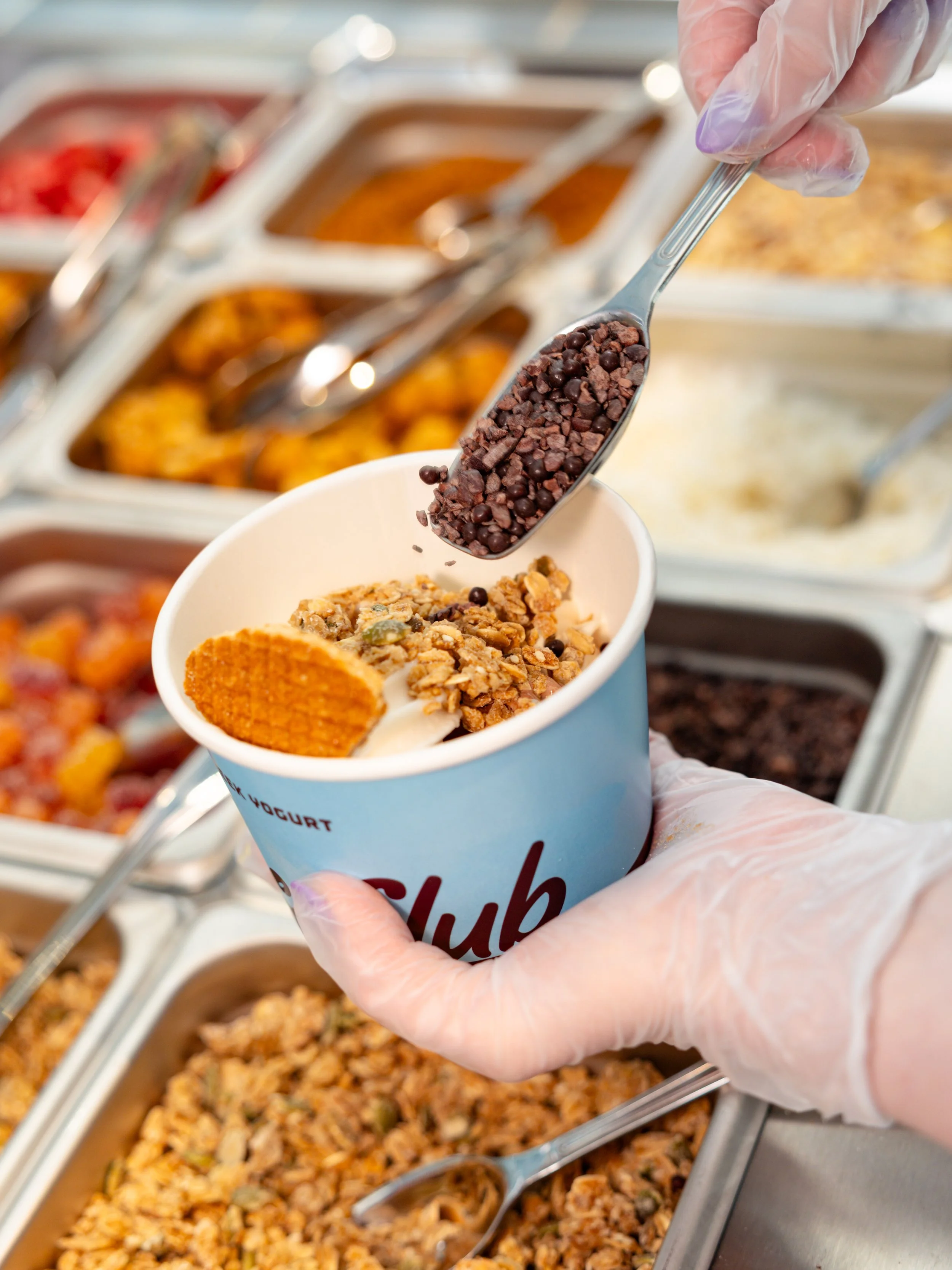
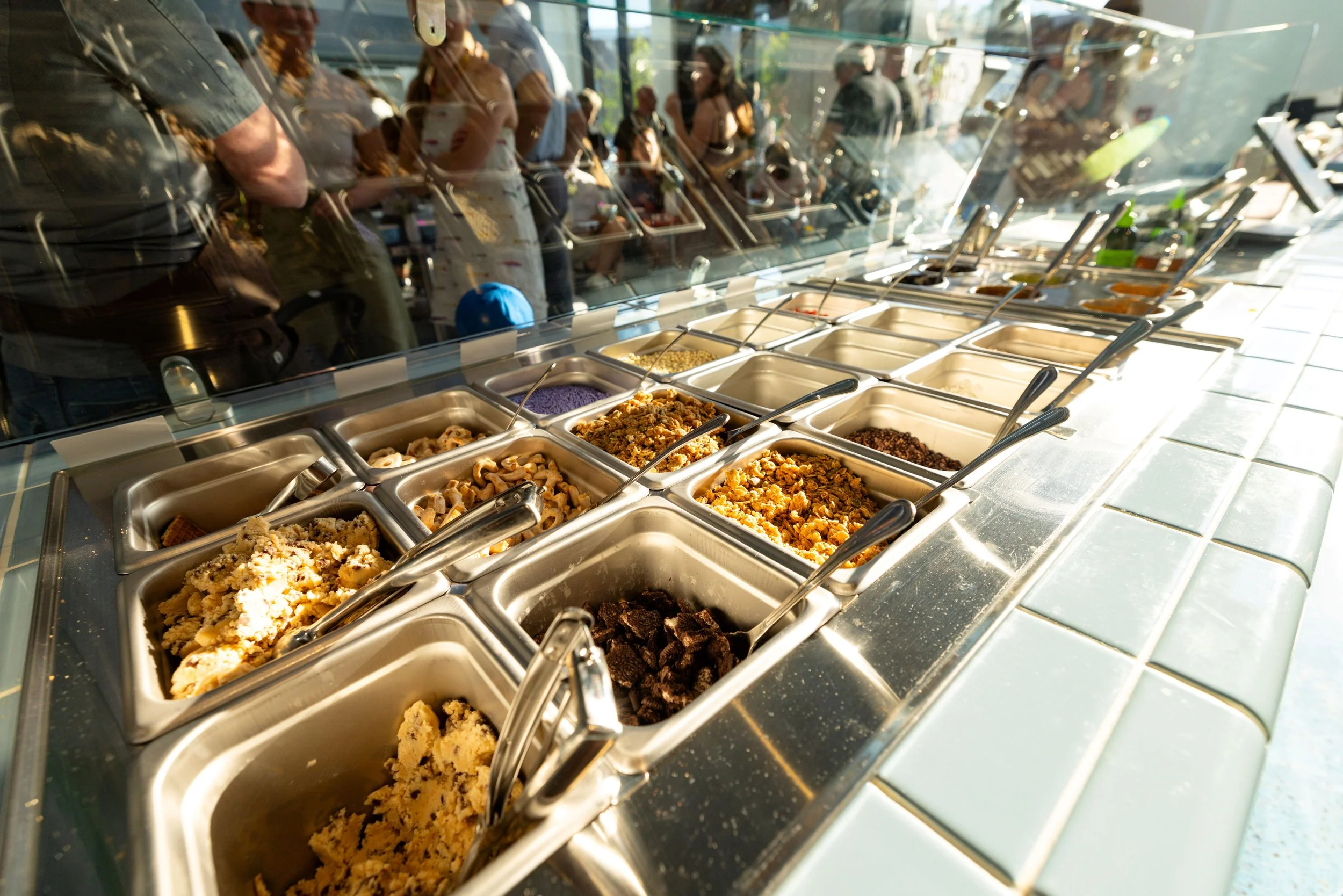
Chef-inspired topping bar by award-winning chef Noelle Marchetti.
Rather than rows of dispensers and endless toppings, the concept embraces culinary craftsmanship, clean ingredients, elevated hospitality and thoughtful design. The result feels closer to a European café than a traditional frozen yogurt shop.
Consumers who once lined up for cupcakes, macarons and froyo are gravitating toward products that feel both indulgent and nutritionally relevant. Greek yogurt checks all the boxes. "The category has evolved," says Bear Kaminer. "People still want something delicious, but they also want to feel good about what they're eating."
The Kaminer brothers recognized that while coffee culture, smoothie brands and health-focused fast casual concepts have exploded over the past decade, premium yogurt remained surprisingly underdeveloped. Most Americans still associate frozen yogurt with self-serve chains and candy bars from the early 2000s.
Culture Club is betting consumers are ready for something more sophisticated. "We weren't interested in recreating what existed before," says PJ Kaminer. "We wanted to build the yogurt place we wished existed."
The story began years earlier in St. Louis, where the brothers were raised by parents whose contrasting approaches to food would ultimately shape the company's DNA. Their mother emphasized wellness, nutrition and healthy living long before wellness became a cultural movement. Their father, meanwhile, embraced dining as one of life's great pleasures, introducing them to memorable restaurants, indulgent desserts and the emotional power of hospitality.
The brothers absorbed both philosophies. We grew up between those two worlds," Bear says. "Health and indulgence were never opposites in our house. The best experiences combined both." That balance became Culture Club's guiding principle: create an experience that feels nourishing and indulgent at the same time. Growing up in St. Louis, food was never simply fuel. It was connection, ritual and experience. The brothers learned early that what people remember most is often not the meal itself but how it made them feel.
That lesson was reinforced by an early favorite book: restaurateur Danny Meyer's Setting the Table. The hospitality classic helped shape their belief that great businesses are built as much on relationships and emotional connection as they are on products.
Their educational experiences further expanded that worldview. Years spent at Community School and later John Burroughs School encouraged creativity, intellectual curiosity and independent thinking. PJ's time at the University of Texas immersed him in Austin's entrepreneurial culture while Bear's education at Amherst College provided a liberal arts perspective rooted in communication, analysis and human behavior.
Some of the most influential lessons, however, came outside the classroom. As teenagers, both brothers worked at Companion Bakery, one of St. Louis' pioneering artisan food businesses. Long before "craft" became a marketing buzzword, Companion had built its reputation on quality ingredients, consistency and meticulous execution. Working there exposed them to the discipline behind hospitality — the early mornings, relentless standards, customer interactions and attention to detail required to build a beloved brand.
Just as important, they saw how food businesses become woven into the fabric of communities. Daily rituals — morning coffee, fresh bread, familiar faces — create loyalty that transcends products. That understanding now echoes throughout the Culture Club vision.
Bear later gained another perspective through an internship at the legendary Carlyle Hotel in New York. There, he observed how a world-class hospitality brand balances operational excellence with emotional resonance, creating experiences that guests remember long after they leave. Together, those experiences helped shape Culture Club's unusually sophisticated approach to what might otherwise seem like a simple dessert concept.
The brothers also bring complementary professional backgrounds that strengthen the business. PJ comes from real estate and development, giving him a deep understanding of placemaking, neighborhood dynamics and how physical environments influence behavior. He understands that successful hospitality concepts are not simply about menus but about creating spaces people want to return to repeatedly. Bear built his career in consumer branding, including roles with Delos Living and GolfForever, where storytelling, identity and audience engagement drive growth. His expertise helps position Culture Club as more than a food business — it is a lifestyle brand. One understands place. The other understands brand. That combination is evident throughout the concept.
The timing is particularly compelling. Today's consumers increasingly reject rigid definitions of "healthy food" and "cheat meals." Instead, they seek balance — products that taste exceptional while aligning with contemporary wellness values. Greek yogurt occupies that sweet spot perfectly.
The brothers credit family friend Todd Siwak with helping them better understand the category's broader potential. Yet they quickly realized the opportunity extended beyond yogurt itself. Across the country, hospitality concepts have evolved into lifestyle ecosystems. Coffee shops became co-working spaces. Boutique hotels became social clubs. Restaurants became cultural gathering places. Modern consumers increasingly seek environments that feel curated, communal and emotionally engaging. Culture Club is designed to live in that world.
The concept's first locations are in Nashville, a city whose rapid growth and creative energy have made it fertile ground for highly designed hospitality brands. Musicians, entrepreneurs, wellness companies and culinary innovators continue to reshape the city, creating an audience eager for fresh experiences.
At its core, Culture Club revolves around frozen Greek yogurt — tangy, creamy, high in protein and intentionally elevated beyond traditional frozen yogurt. The yogurt serves as a canvas.
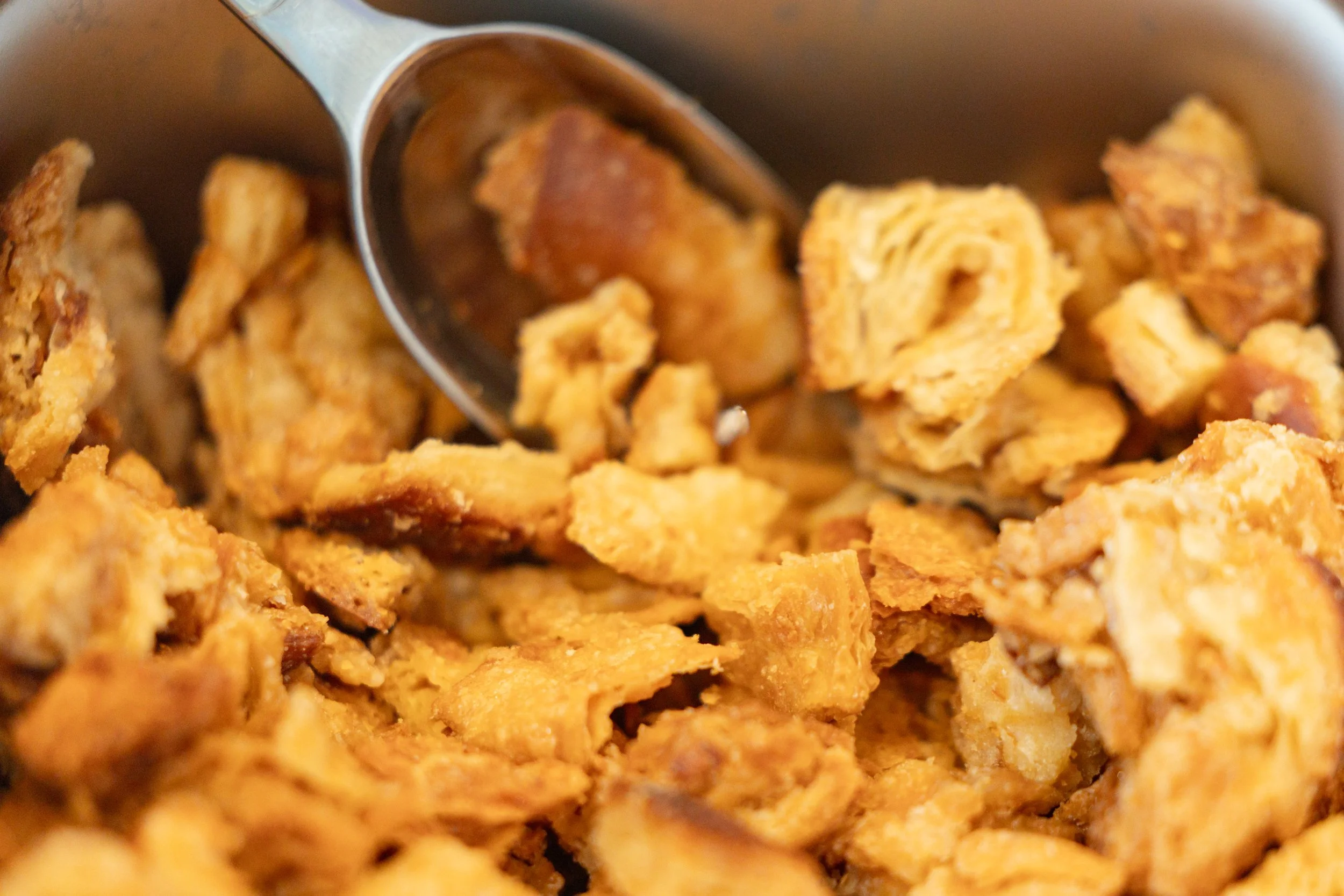
Helping define that culinary vision is acclaimed pastry chef Noelle Marchetti, who leads the concept's chef-driven toppings program. Rather than relying on mass-market candy and predictable add-ons, Culture Club emphasizes fresh fruit compotes, artisanal granolas, toasted nuts, house-made sauces, Mediterranean influences and rotating seasonal creations. Marchetti's involvement signals that Culture Club intends to operate more like an elevated café than a conventional frozen yogurt chain. Her approach also reinforces the brand's central philosophy: indulgence and wellness do not have to exist in opposition.
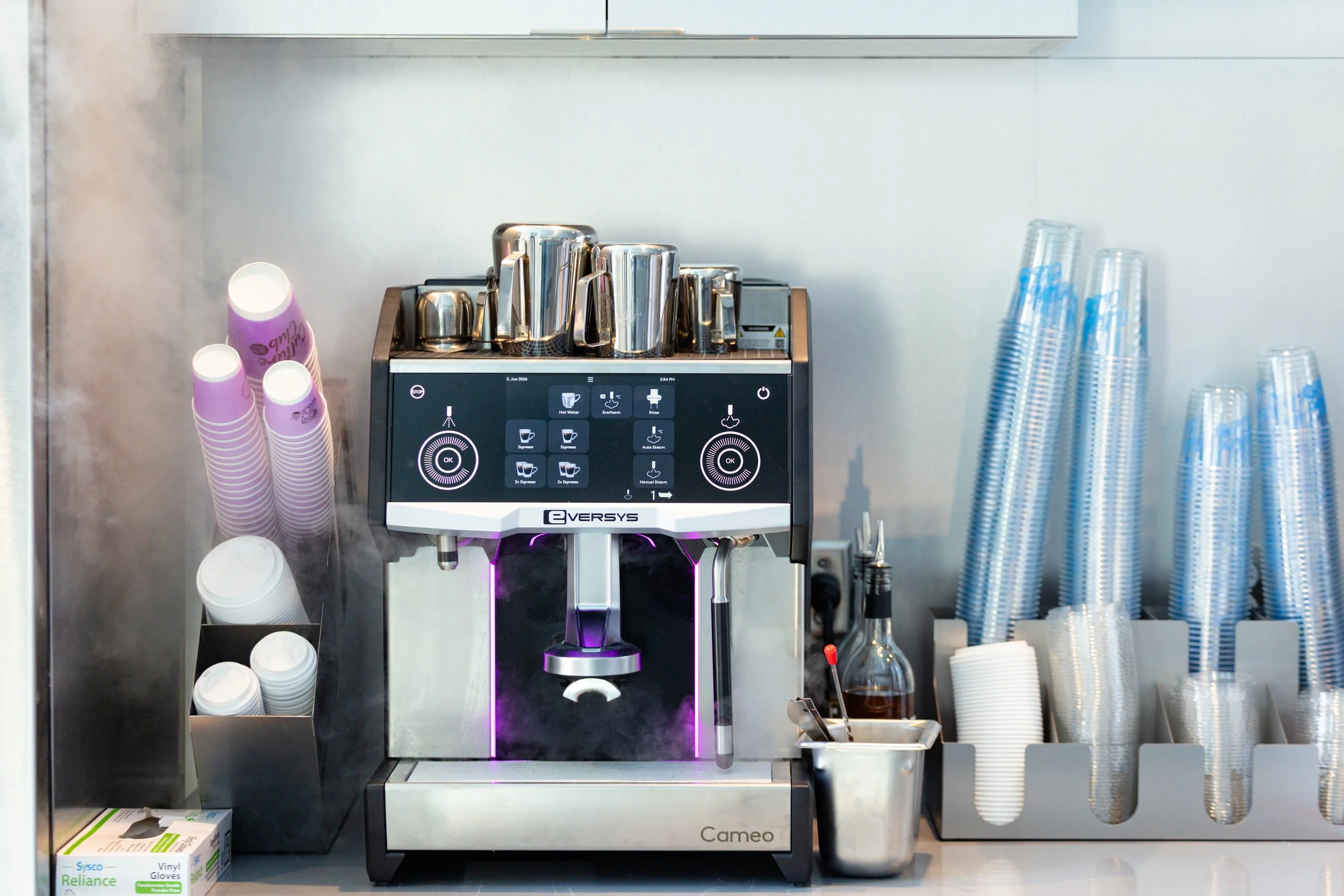
That culinary sophistication extends to one of the concept's most distinctive features—the affogato bar. Traditionally an Italian dessert consisting of espresso poured over gelato, the affogato perfectly captures Culture Club's blending of European café culture and contemporary wellness. By pairing rich espresso with frozen Greek yogurt, the concept creates a unique offering that feels both decadent and surprisingly balanced.
The affogato bar also broadens the brand's appeal throughout the day. Morning coffee customers can transition into afternoon wellness seekers, remote workers, families, post-workout visitors and evening social crowds looking for a lighter indulgence. From a hospitality standpoint, that versatility is invaluable.
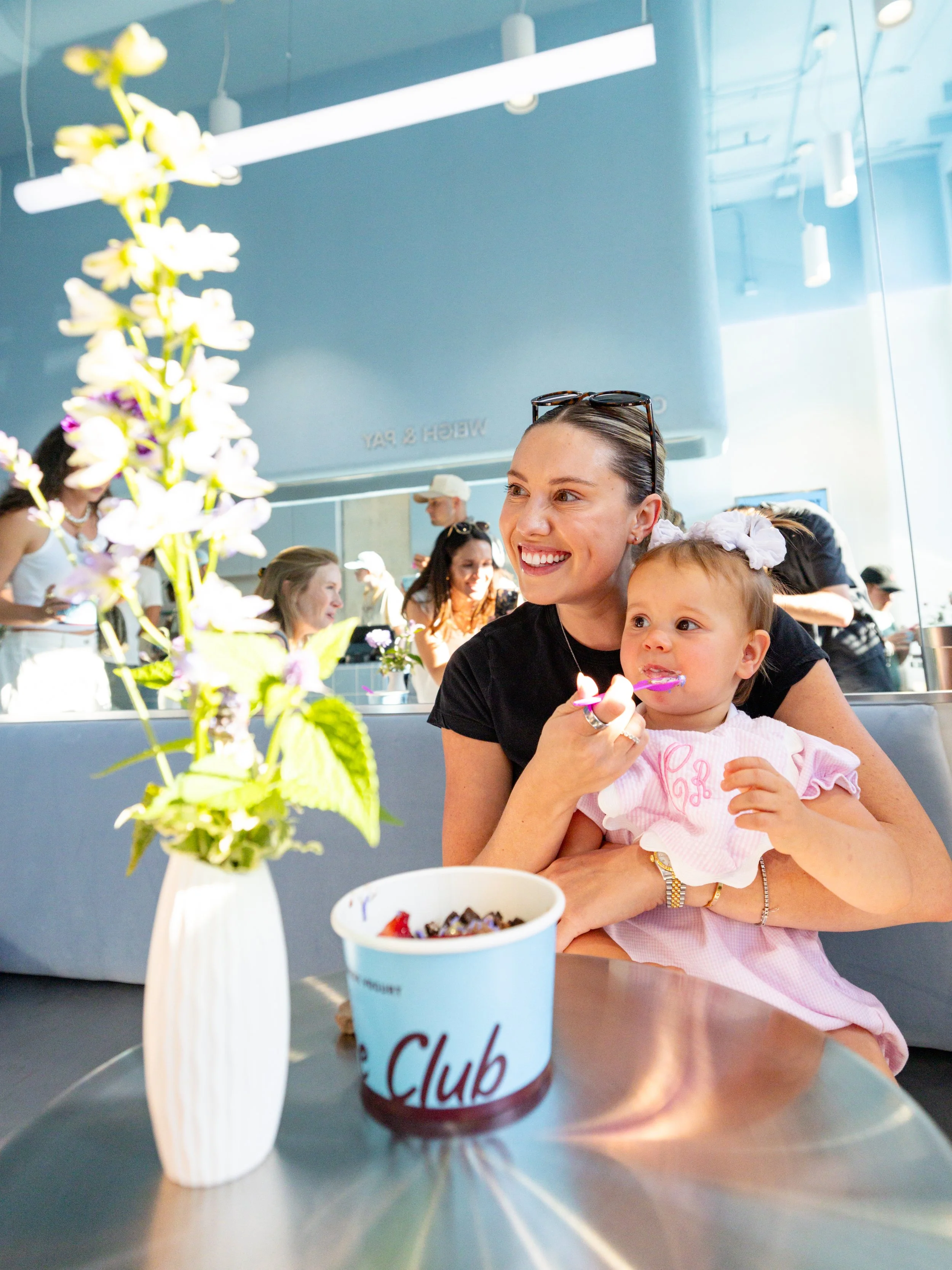
Equally important is the atmosphere the Kaminer brothers hope to create. The name "Culture Club" operates on multiple levels. It references the live cultures found in yogurt, while also suggesting creativity, belonging and community. The word "club" implies membership, ritual and connection — the feeling that customers are participating in something larger than a transaction.
That emotional dimension matters more than ever. Consumers today are overwhelmed with choices. Increasingly, what distinguishes successful hospitality brands is not simply what they serve but how they make people feel.
The most successful modern concepts understand that atmosphere has become a product unto itself. Culture Club appears keenly aware of that reality. The interiors are designed to reflect the brand's values through natural materials, warm lighting, clean lines and European café influences. Every design decision reinforces a sense of wellness, sophistication, comfort and accessibility.
The brothers understand that indulgence is often emotional. People do not simply crave sweetness or caffeine. They crave ritual, reward, escape and connection. A beautifully crafted affogato after dinner. Frozen yogurt on a summer evening with friends. A midday coffee break that turns into an unexpected conversation. Great hospitality brands create those moments consistently.
There is also something y contemporary about Culture Club's approach. Earlier generations often separated health and pleasure into opposing categories. Health food was austere. Desserts were guilty pleasures. Today's consumers increasingly reject that binary. They want experiences that feel joyful without feeling excessive. They want products that align with their values without sacrificing flavor or fun. Culture Club reflects that cultural shift elegantly.
Importantly, the brand avoids becoming preachy or overly clinical — a trap many wellness-focused concepts fall into. The emphasis is not restriction but elevation. Not deprivation but thoughtful indulgence. The Kaminer brothers are entering a crowded hospitality landscape where authenticity matters. Consumers want to know where concepts come from and why they exist. Culture Club possesses a genuine origin story rooted in family influence, Midwestern values, wellness awareness, food culture and complementary professional expertise. That authenticity gives the brand credibility. It also creates opportunities for thoughtful expansion. Seasonal collaborations, specialty coffee programs, wellness events, branded products, local partnerships and community programming all feel like natural extensions of the platform. Yet despite its contemporary sophistication, the underlying idea remains timeless.
People have always gathered around food. They have always sought places that feel welcoming, aspirational and communal. PJ and Bear Kaminer understand that instinctively.
With Nashville serving as its launch pad, Culture Club is positioning itself not simply as a frozen yogurt brand but as a modern cultural café built around experience, atmosphere and everyday rituals elevated thoughtfully.
In a hospitality landscape crowded with fleeting trends, Culture Club feels grounded in something more enduring: the simple but powerful idea that people still crave places where they can gather comfortably, feel good about what they're consuming and indulge beautifully all at once.