
Remembering John Ferring: The Quiet Giant Who Changed St. Louis
by Craig Kaminer / photos courtesy of Contemporary Art Museum
Every city has its visionaries. Every city has its philanthropists. And, every so often, a city is fortunate enough to have someone who is both — a person whose influence quietly extends into nearly every corner of civic life, not because they sought recognition, but because they simply believed they could make things better.
For St. Louis, that person was John Ferring.
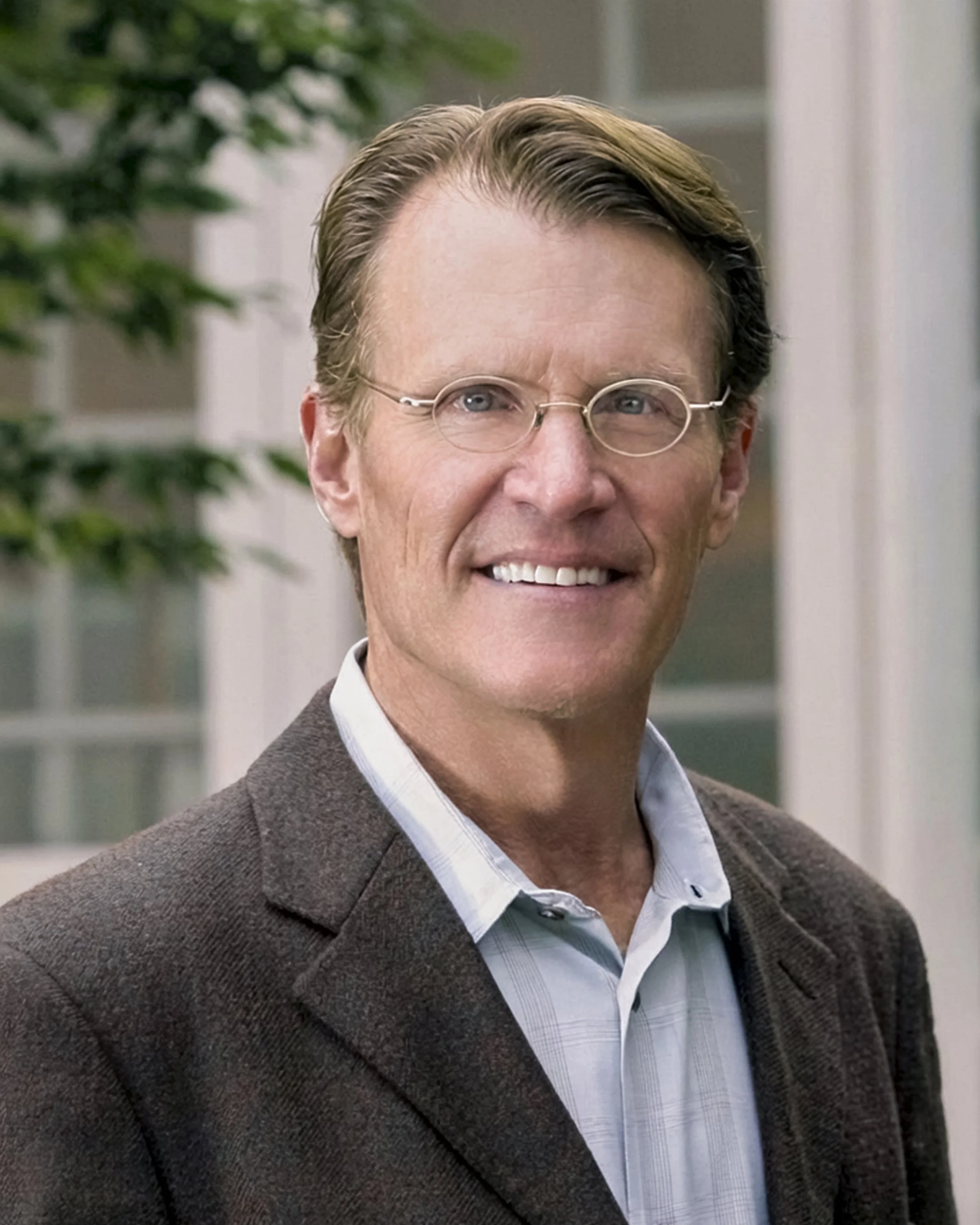
John Ferring
His sudden passing has left an unmistakable void, not only for his beloved wife, Alison, and their family, but for an entire community that is stronger, healthier, more beautiful and more compassionate because of the life they built together.
In the days following John's death, I found myself asking the same question that so many others were asking: What was it about John that made him so extraordinary? Certainly, it was his remarkable intellect, his business success or the astonishing breadth of his philanthropy. But none of those quite captured the essence of the man.
Then Blake Strode, Executive Director of ArchCity Defenders, found the perfect word. "For weeks after John's passing," he told me, "I struggled to pin down the precise quality that made him so unique and his impact so profound. In a word, I think it was sincerity. That doesn't seem like something that should be rare, but it is. There was no pretense or performance with him — only a deep commitment to good work and the people doing it."
Sincerity. It is such a simple word, yet it explains so much.
John never approached philanthropy as charity. He approached it as partnership. Whether serving on nonprofit boards, supporting cultural institutions, advancing healthcare, preserving Forest Park, or strengthening educational opportunities, he wanted to understand the mission, challenge assumptions and help organizations become stronger than they imagined possible.
His generosity was measured not only by the checks he wrote but by the hours he invested, the conversations he initiated and the confidence he gave to others.
"John led and inspired others with deep thought and humility," recalls Lesley Hoffarth. "Many know of his philanthropic efforts, but he also generously shared his time, advice and enthusiasm for so many efforts that were important to the St. Louis region. I will always remember the delight he took in seeing others succeed in lifting our community."
That joy in seeing others succeed may have been one of his defining characteristics.
John understood that great cities are not built by individuals seeking credit. They are built by people willing to strengthen institutions, empower leaders and invest in ideas whose greatest rewards may not be realized for years, even decades.
No institution illustrates that better than the Contemporary Art Museum St. Louis, where John served as board chair and remained one of the museum's most devoted champions.
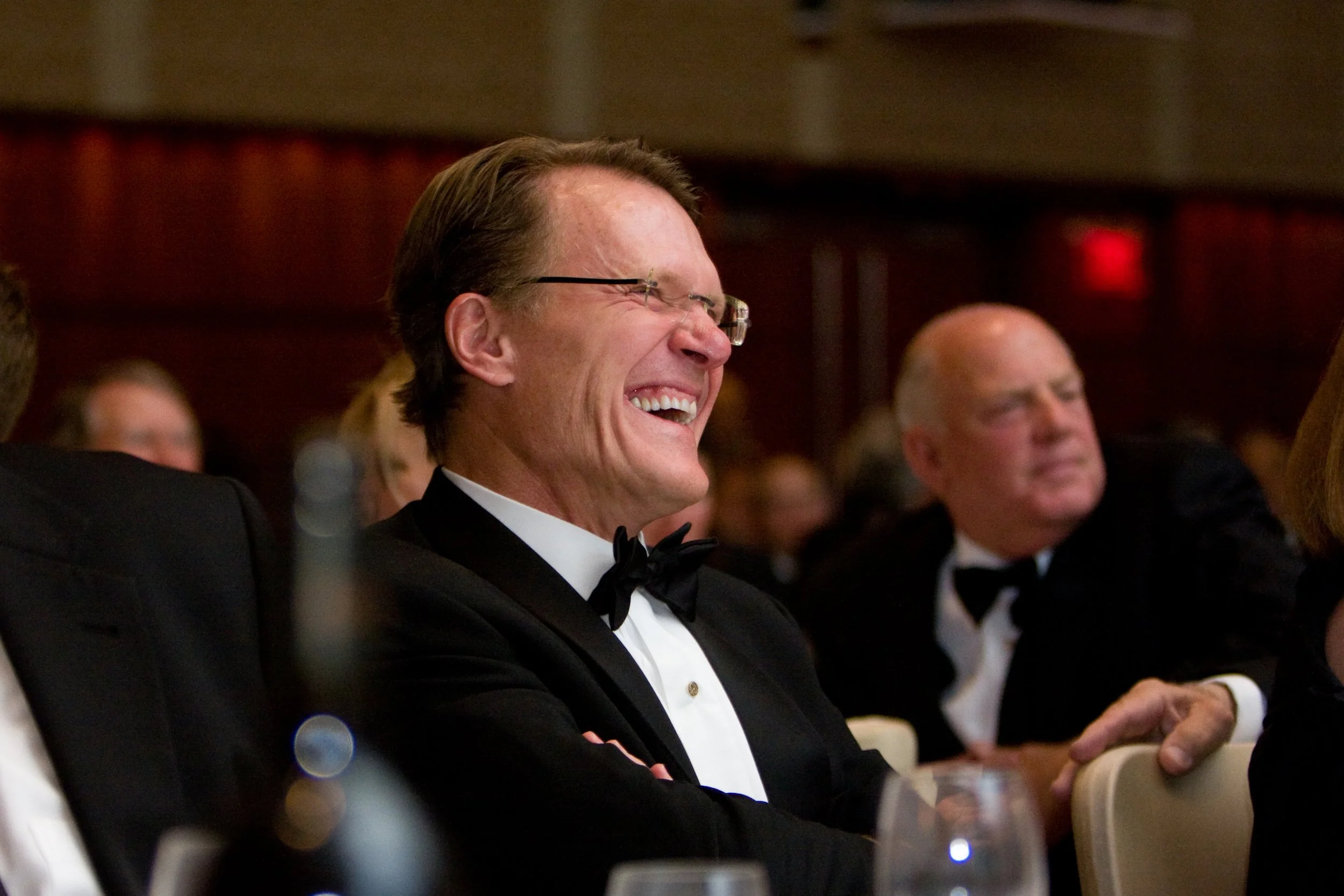
John Ferring at the CAM Gala.
"John understood how transformational art is," says the museum’s Executive Director Lisa Melandri. "How being surrounded by art in your home or experiencing it out in public makes life more thoughtful, more joyful. He lived that belief and expressed it through all of the work he did for the St. Louis community."
For Melandri, John's commitment went far beyond financial support. "John and Alison have shown up for CAM when it really mattered. Again and again, they made things possible that might not have been possible otherwise. As a dedicated board member and former chair, he gave so much of his expertise and resources. He was a true partner to me. He is quite literally in the walls and the fabric of our museum, and we are eternally grateful for their generosity and support of our institution."
That phrase — "a true partner" — surfaces repeatedly in conversations about John. People rarely describe him simply as a donor. They describe him as someone who listened first, asked thoughtful questions, challenged people to sharpen their thinking and then committed himself fully to helping worthy ideas succeed.
Artistic Director of the St. Louis Shakespeare Festival, Tom Ridgely, experienced exactly that. "John was extremely generous, as everyone knows, and along with Alison, a truly central figure in the story of the festival. But it never felt like a handout with John. He made it his business to understand your thinking, and he wanted it to be sound, which often boiled down to focus and discipline. So it felt like a partnership."
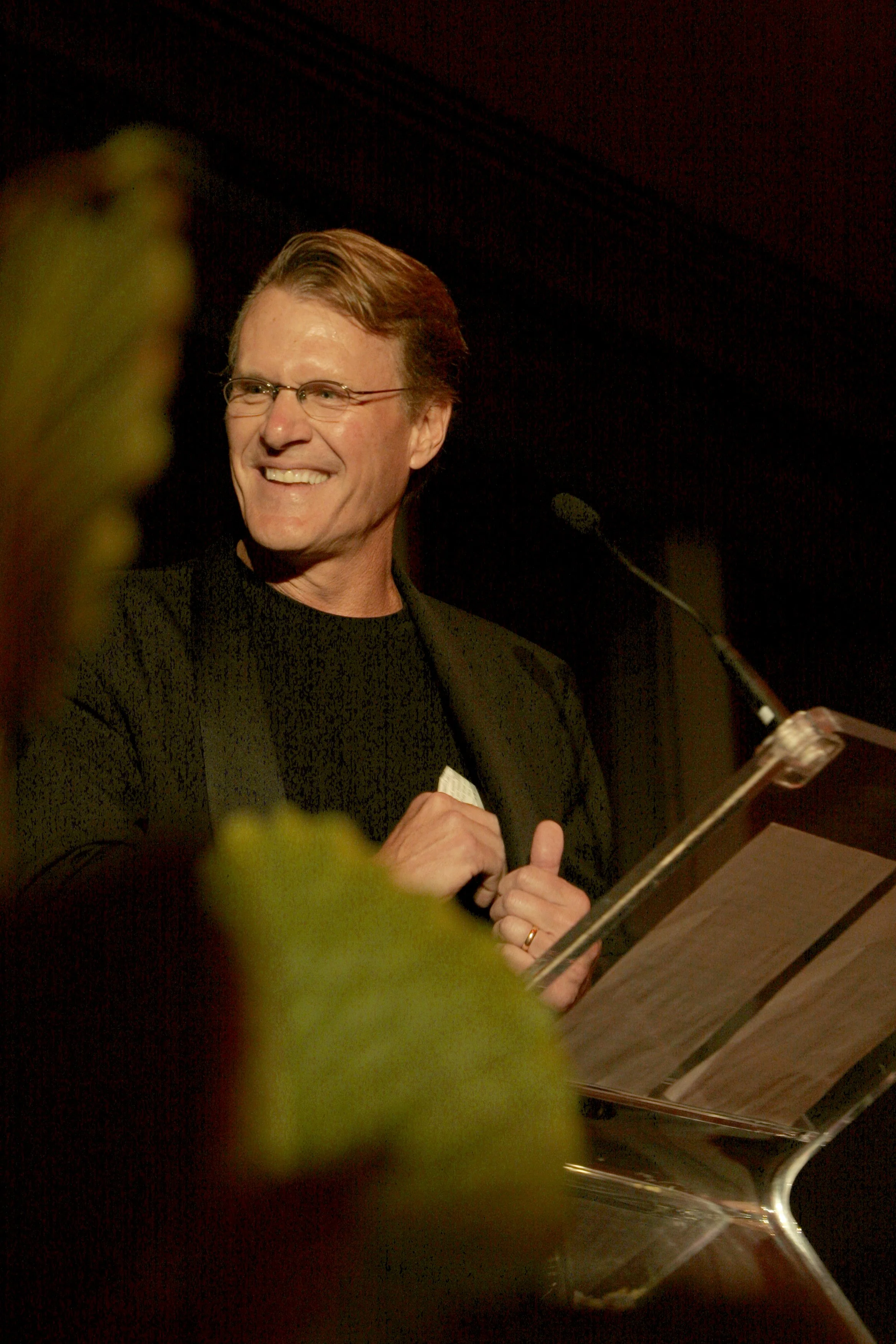
Then Ridgely offered perhaps the most personal reflection of all. "I just admired the heck out of him. He was a real ideal of manhood in my eyes. Totally confident but never imposing himself. Smart and tough, but also somehow soft and gentle. You could tell just by the way he carried himself that he had substance and integrity."
He laughed as he recalled visiting John's office and noticing something unexpected — not cutting-edge technology but an elegant leather-bound paper planner.
"He showed it to me, and his whole life was in there. Every appointment, every reminder, even when he needed to get his tires rotated six months from now. It blew me away. Just unbelievable the level of organization and forethought he brought to his hours and his days."
Ridgely promptly bought one for himself. "It didn't make me more like him," he joked. "But just being around him, you felt inspired to try and do better."
That may be John's greatest legacy. Not simply that he transformed institutions, but that he elevated people.
He challenged others — not through criticism or ego — but through example. His humility encouraged humility. His discipline encouraged excellence. His optimism inspired confidence that St. Louis could become the city it aspired to be.
Of course, no remembrance of John would be complete without acknowledging Alison. Their partnership has long been one of the defining forces in St. Louis philanthropy. Together, they championed the arts, education, healthcare, civic life and countless organizations that enrich our community every day. John's accomplishments were never separate from that shared vision. Their generosity reflected common values and a mutual belief that investing in people creates the strongest possible legacy.
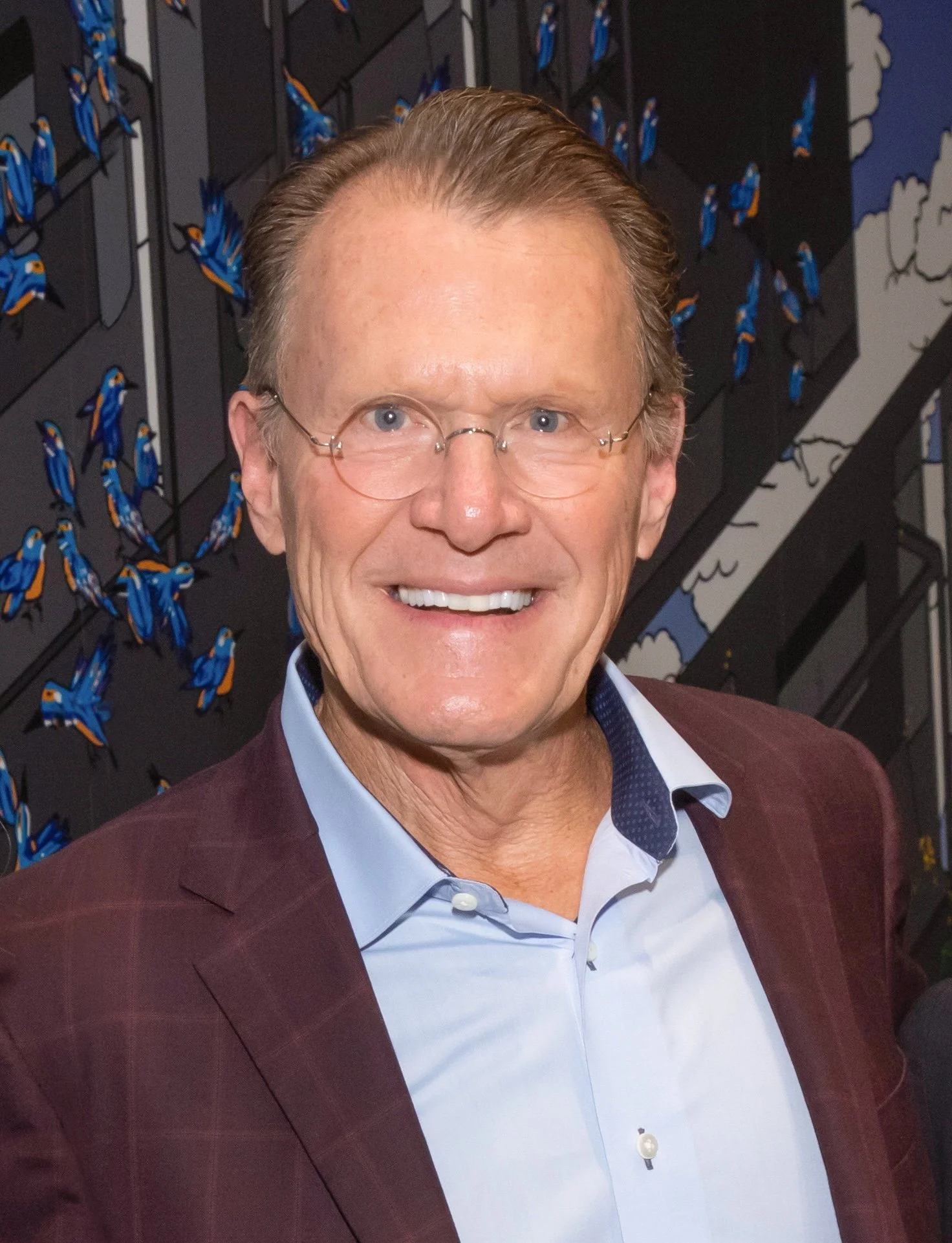
Today, that legacy surrounds us. It lives in children discovering creativity inside the Contemporary Art Museum. It lives in families enjoying Forest Park. It lives in groundbreaking medical research, in nonprofit organizations serving those most in need, in artists finding audiences, in students finding opportunity and in civic leaders inspired to dream bigger because John believed they could.
Many of those whose lives have been touched by his generosity will never know his name. John would have been perfectly content with that. He believed the mission mattered more than the recognition.
St. Louis has lost one of its finest citizens. Yet the city John loved continues to benefit from the institutions he strengthened, the leaders he mentored and the culture of generosity he helped cultivate alongside Alison.
Some lives are measured by titles earned or wealth accumulated. John Ferring's life will be measured by something far more enduring: the countless people whose lives are better because he quietly chose to invest in a city he never stopped believing in.
His presence will be deeply missed. His example will be impossible to forget.