
Kaplan Feldman Holocaust Museum Opens Exhibit Highlighting Japanese American WWII Incarceration
On Saturday, January 17, 2026, The St. Louis Kaplan Feldman Holocaust Museum opens Resilience–A Sansei Sense of Legacy.
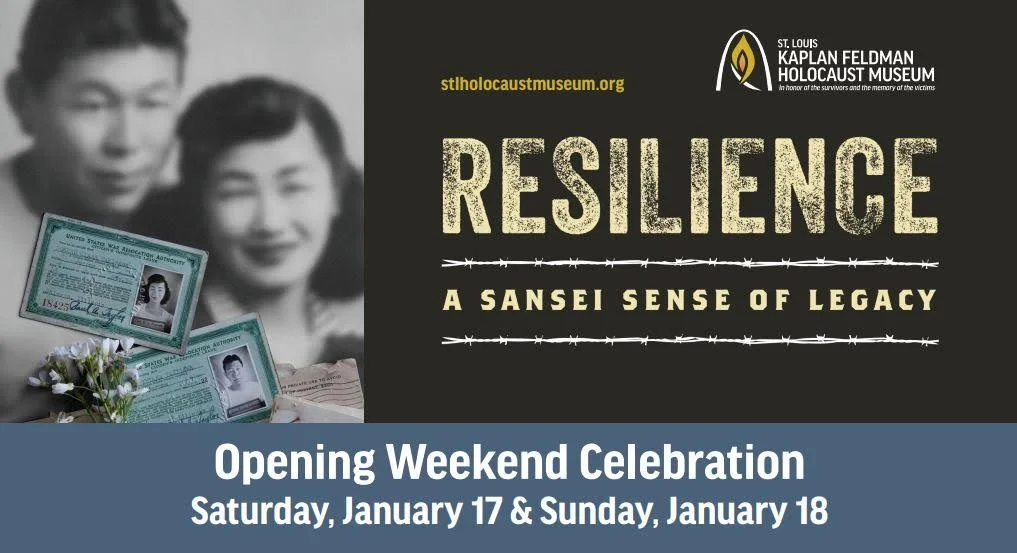
Told from the point of view of Sansei (third generation) Japanese Americans, the retrospective is an exhibition of eight artists whose work reflects on the effect of EO9066 as it resonated from generation to generation.
“The St. Louis Kaplan Feldman Holocaust Museum is proud to partner with the Japanese American Citizens League to present this powerful exhibition," says Myron Freedman, Executive Director. "The artworks reverberate with the enormous injustice suffered by Japanese American citizens and speak to how generational scars may be borne by families and cultures.”
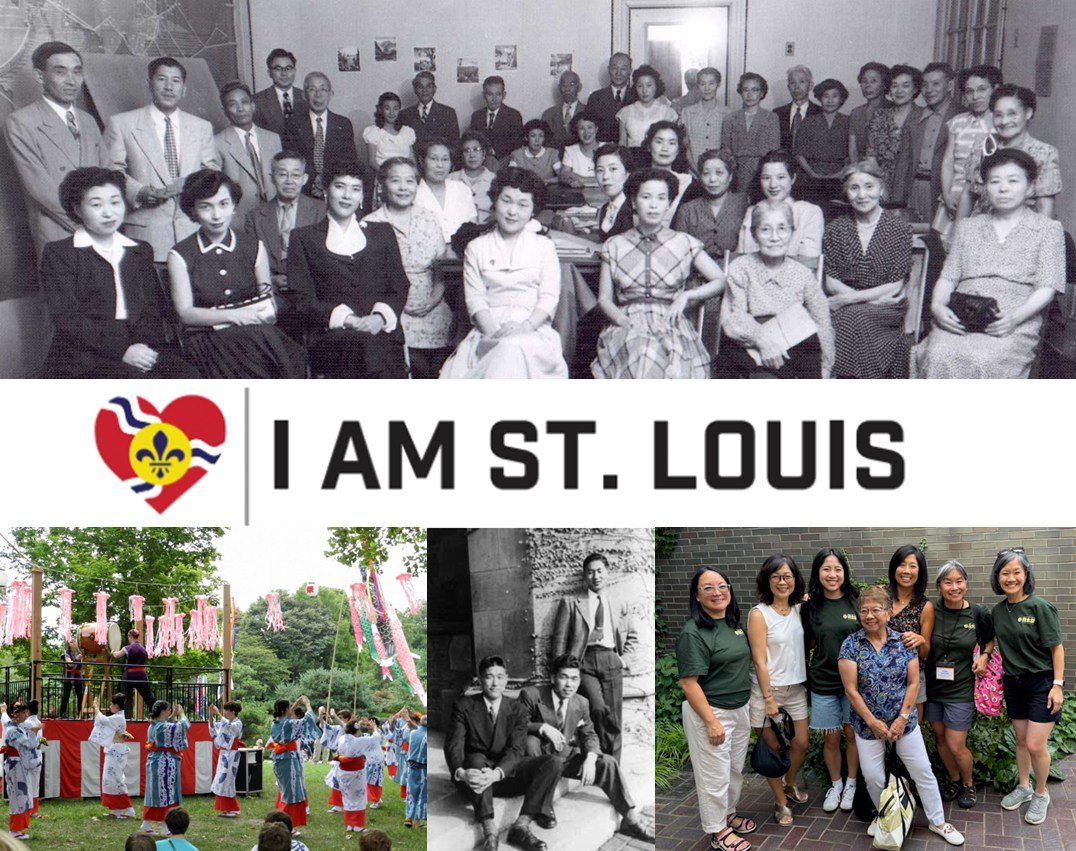
Exhibition artists are Kristine Aono, Reiki Fuji, Wendy Maruyama, Lydia Nakashima Degarrod, Tom Nakashima, Roger Shimomura, Judy Shintani, and Jerry Takigawa. The Museum will also exhibit pieces by Arthur Towata who lived and worked in Alton, IL.
While several of the artists in Resilience employ traditional Japanese methods in the construction of their work—Lydia Nakashima Degarrod’s use of boro stitching on her works on paper; Judy Shintani’s kimono cutouts honored in ceramic vessels—others use iconography relating to Japanese culture as a jumping off point for personal explorations on the subject of the incarceration camps—Reiko Fuji’s photographs-as-kimono; Wendy Maruyama’s columns of replicated camp ID tags. Each in their own way, the artists in this exhibition express moments of deeply felt pain and reluctant acceptance, emotions which were often withheld by their elders.
In 1942, in response to the bombing of Pearl Harbor by Japanese forces, President Franklin D. Roosevelt signed into law Executive Order 9066. The law ordered the forced imprisonment of all Japanese Americans living on the west coast of the United States, which had the second largest population of Japanese people living outside of Japan.
Co-curated by artists Jerry Takigawa and Gail Enns, Resilience was conceived to serve as a catalyst to cultivate social dialogue and change around the issues of racism, hysteria, and economic exploitation. The eight artists featured in Resilience were selected because of their personal connection to the subject matter, their work is well respected within the Japanese American community as well as within the art world.
Takigawa and Enns explain, “The Sansei generation is perhaps the last generation of Japanese American artists that can be directly connected to the WWII American concentration camp experience—making their expression particularly significant in clarity of emotion. These artists lived through the years of “gaman” or silence about the camps. That silence made a deep impression on the artists selected for Resilience.
How to See the Exhibition
The exhibition opens Saturday, January 17, from 10 a.m. to 4:30 p.m. Opening day activities include demonstrations of ikebana (Japanese flower arranging), origami, and a traditional Japanese tea ceremony. Tickets are available beginning December 15, 2025. Admission is free to the Resilience exhibition, but tickets are required.
The entire exhibition will run from January 17-April 4, 2026. More information on the exhibition can be found at: stlholocaustmuseum.org/resilience-2.
About the St. Louis Kaplan Feldman Holocaust Museum
The St. Louis Kaplan Feldman Holocaust Museum is dedicated to using the history and lessons of the Holocaust to reject hatred, promote understanding, and inspire change. The Museum is open Wednesday-Monday, 10 am to 4:30 pm. Tickets, memberships, and group tour reservations are currently available. The St. Louis Kaplan Feldman Holocaust Museum is a proud partner of the Jewish Federation of St. Louis. The Federation founded the Museum in 1995 and nurtured and maintained it for 25 years. Learn more at StlHolocaustMuseum.org.