
Fueling Futures
Operation Food Search and others are fighting an uphill battle to resolve food insecurity
by Christy Marshall / Photos courtesy of Operation Food Search
The statistic is staggering: Nearly one in three children in the city of St. Louis doesn't know where their next meal is coming from.
Kristin Wild has made it her mission to change that. As CEO of Operation Food Search, she's leading an organization that's pushing beyond the traditional food bank model to tackle hunger with both urgency and innovation. And in a city where the food insecurity rate for children far exceeds that of adults, Wild knows that feeding kids isn't just about filling bellies today. It's about securing children’s futures.
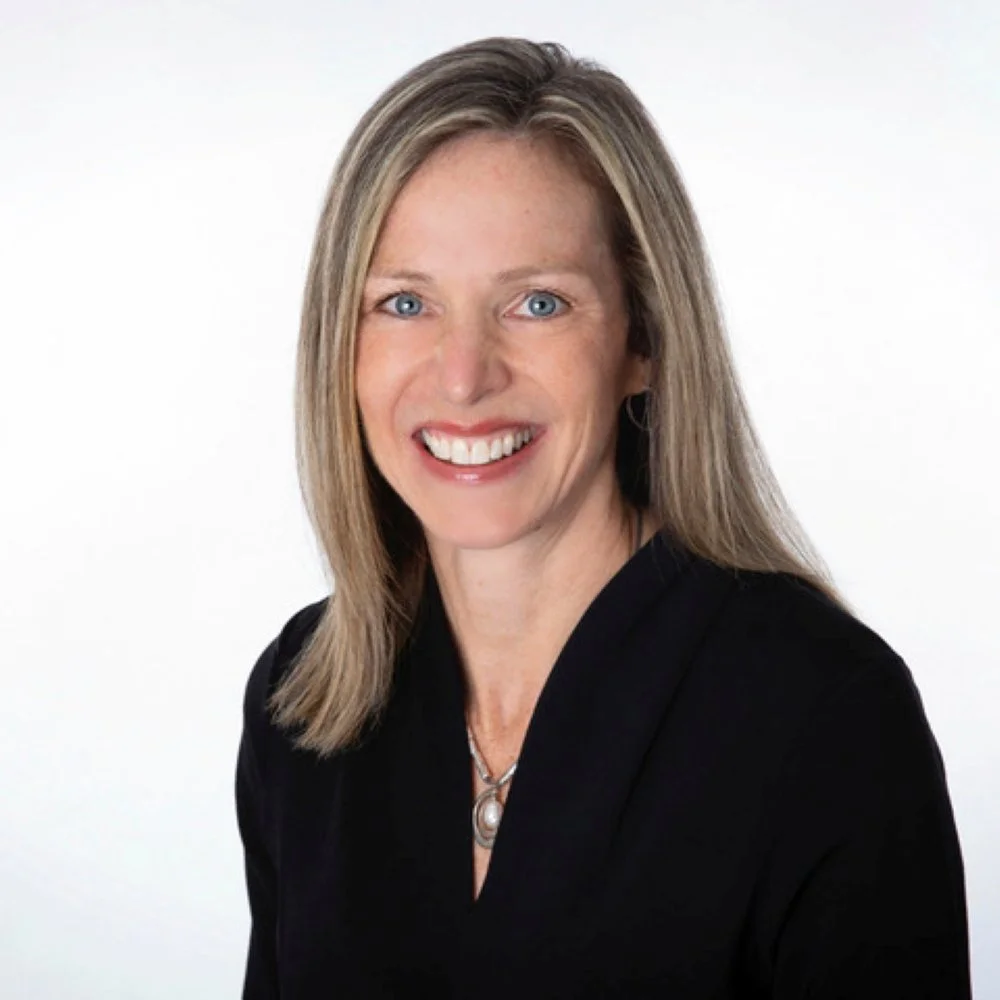
CEO of Operation Food Search Kristin Wild.
"The sad reality is there is a need," Wild says. But what sets her apart is what comes next: not resignation, but resolution. Operation Food Search has become something more than a warehouse that distributes food. It's become a holistic health intervention, an education center and a community connector all rolled into one.
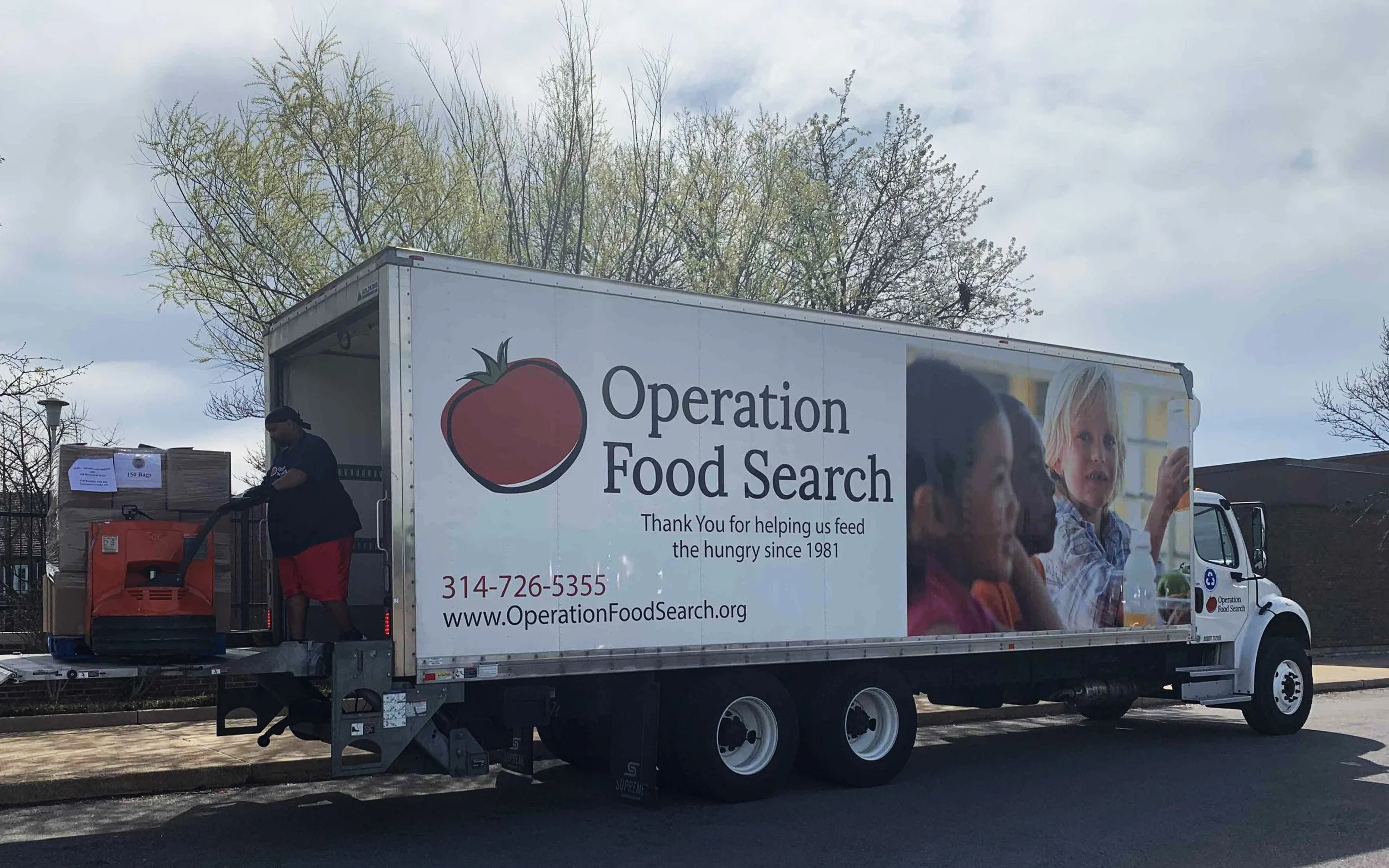
The numbers paint a troubling picture. Missouri's overall food insecurity rate hovers around 15 percent, with Illinois at 13 percent. But drill down to St. Louis specifically and the story is bleaker. St. Louis County's rate climbs to 17 percent. The city? Nearly 31 percent for children.
KSDK TV’s Mary Caltrider interviews Kristin Wild, CEO of Operation Food Search on Show Me St. Louis
Wild understands that childhood hunger carries consequences that echo far beyond a growling stomach. Kids who don't eat well don't learn well. They get sick more often. They fall behind in school. The domino effect from food insecurity can determine the entire trajectory of a child's life. That's why Operation Food Search has designed its programs with laser focus on the youngest and most vulnerable.
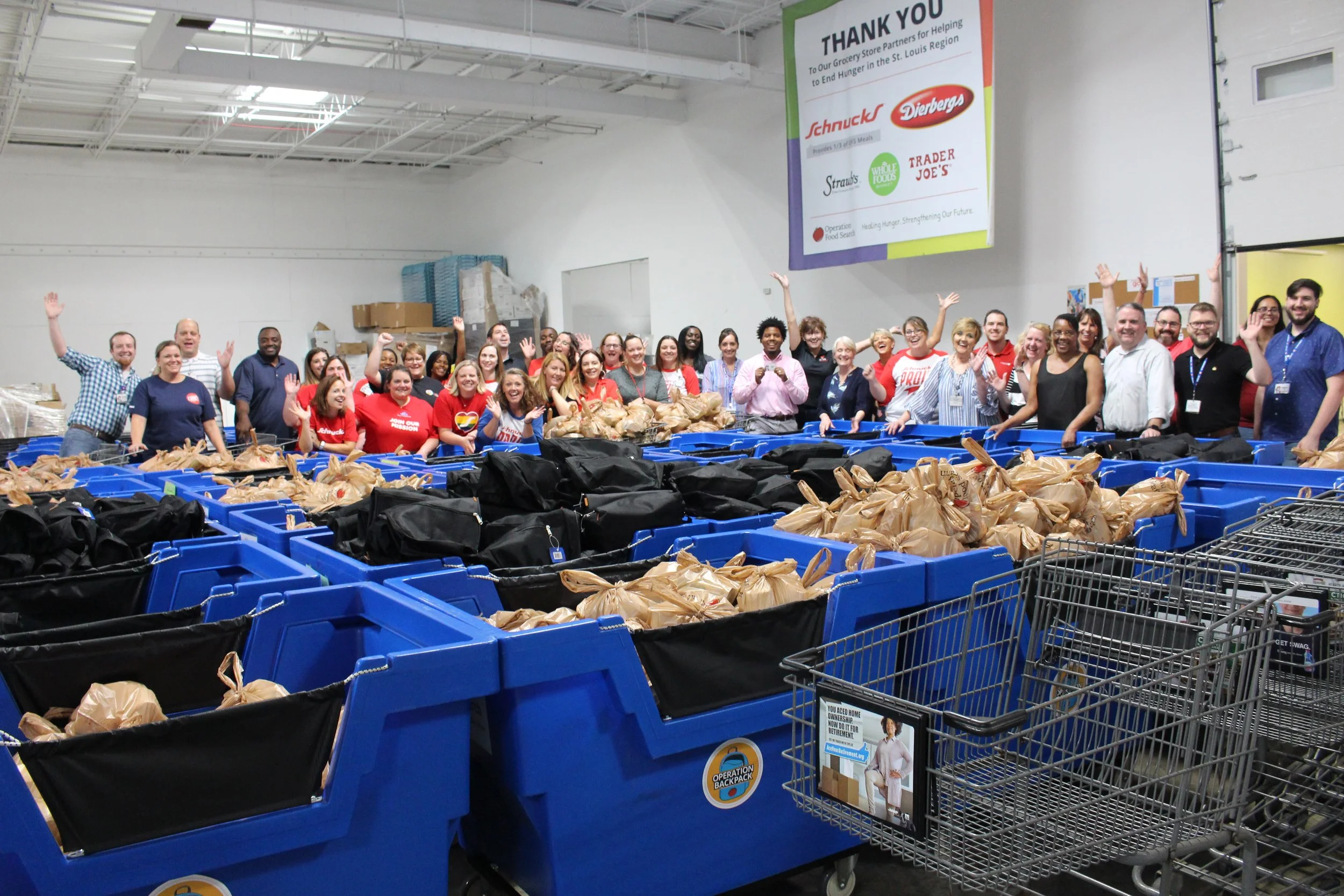
Backpack volunteers at Operation Food Search
Take Operation Backpack, the organization's flagship program for kids. When Wild saw the need intensifying, she expanded capacity from 1,600 to 2,400 bags of food distributed through schools each week, partnering with the Little Bit Foundation. It's a simple concept — a backpack full of food going home with a student on Friday — but the impact is immeasurable.
Then there's the Afterschool ReFuel program and the summer meals program, ensuring that when the schools let out for summer, food security doesn't stop. Wild knows what the research shows: programs that provide consistent, reliable food access to children enable learning, growth and hope.
But what distinguishes Operation Food Search under Wild's leadership is how they think about food as medicine, not just sustenance. The organization's Build Nutrition IQ program brings groups into their teaching facility to learn how to cook budget-friendly, healthy meals. It's not enough to hand someone a can of beans; Wild wants to empower people with knowledge about nutrition and cooking skills that lasts a lifetime.
Even more innovative is the Nourishing Healthy Starts program, which works with food-insecure pregnant women throughout their pregnancy and 90 days postpartum. Participants receive weekly food resources, nutrition education and are assigned a maternal health advocate who connects them with programs like SNAP and WIC. The goal is healthy pregnancies, healthy babies and breaking the cycle of food insecurity before it starts. A recent pilot study confirmed what Wild already knew — providing adequate nutrition during pregnancy improves health outcomes and actually saves healthcare costs. Food isn't just food; it's preventive medicine.
The Fresh Rx Prescribing Healthy Futures program takes this concept even further, partnering with St. Louis Children's Hospital to connect families of adolescents with Type 1 diabetes to weekly meal kit deliveries, consultations with registered dietitians and care management.
What makes Operation Food Search different from other food banks — and there are others doing equally important work in the region, including the St. Louis Area Food Bank — is its emphasis on local partnerships and targeted programs. While larger food banks in the Feeding America network receive government commodities and partner with national entities like Walmart, Operation Food Search is supported by local food chains like Schnucks, Dierbergs and Straubs, along with Busch Stadium, STL City and other St. Louis sports institutions.
Wild has also pioneered the Metro Market program, essentially a mobile farmers market that drives directly into food deserts in North City and North County. Unlike typical food bank operations, Metro Market charges for food at or below cost, preserving dignity and choice for participants who can use SNAP benefits. During the November crisis period when SNAP benefits were suspended, the organization provided $15 vouchers and has committed $60,000 to ensure families could access fresh produce and healthy options.
During the November crisis period when SNAP benefits were suspended, the organization was an invaluable resource in filling the gap.
The organization distributes roughly $32 million worth of food annually through a network of 170 food pantries, shelters and homeless sites. About $29.5 million of that is donated, with Operation Food Search purchasing additional food to supplement and ensure balanced nutrition. It's a massive logistical operation, but Wild doesn't just think about pounds of food moved. She thinks about people fed, families strengthened, children thriving.
When community need spikes — whether from SNAP benefit disruptions, natural disasters like tornadoes or unexpected crises — Wild and her team respond with both immediate relief and long-term strategy. During recent benefit suspensions, the community rallied: 40 active food drives, record financial donations, longtime donors dramatically increasing their giving\ and a wave of first-time donors all stepped up.
Wild's also not afraid to collaborate. Operation Food Search partners with the St. Louis Area Food Bank, Food Outreach (which serves people with cancer or AIDS), the Integrated Health Network and dozens of other organizations. The recently announced City Food Insecurity Fund brings together multiple players with United Way serving as fiscal agent. Wild knows that no single organization can solve hunger alone.
Recognition and support have followed. Congresswoman Cori Bush advocated for a congressional appropriation to support Operation Food Search's building renovation. Local political leaders from both parties — Wesley Bell, Ann Wagner, members of the St. Louis County Council — have toured the facility. Wild welcomes the attention because visibility translates to awareness, awareness to action and action to feed children.
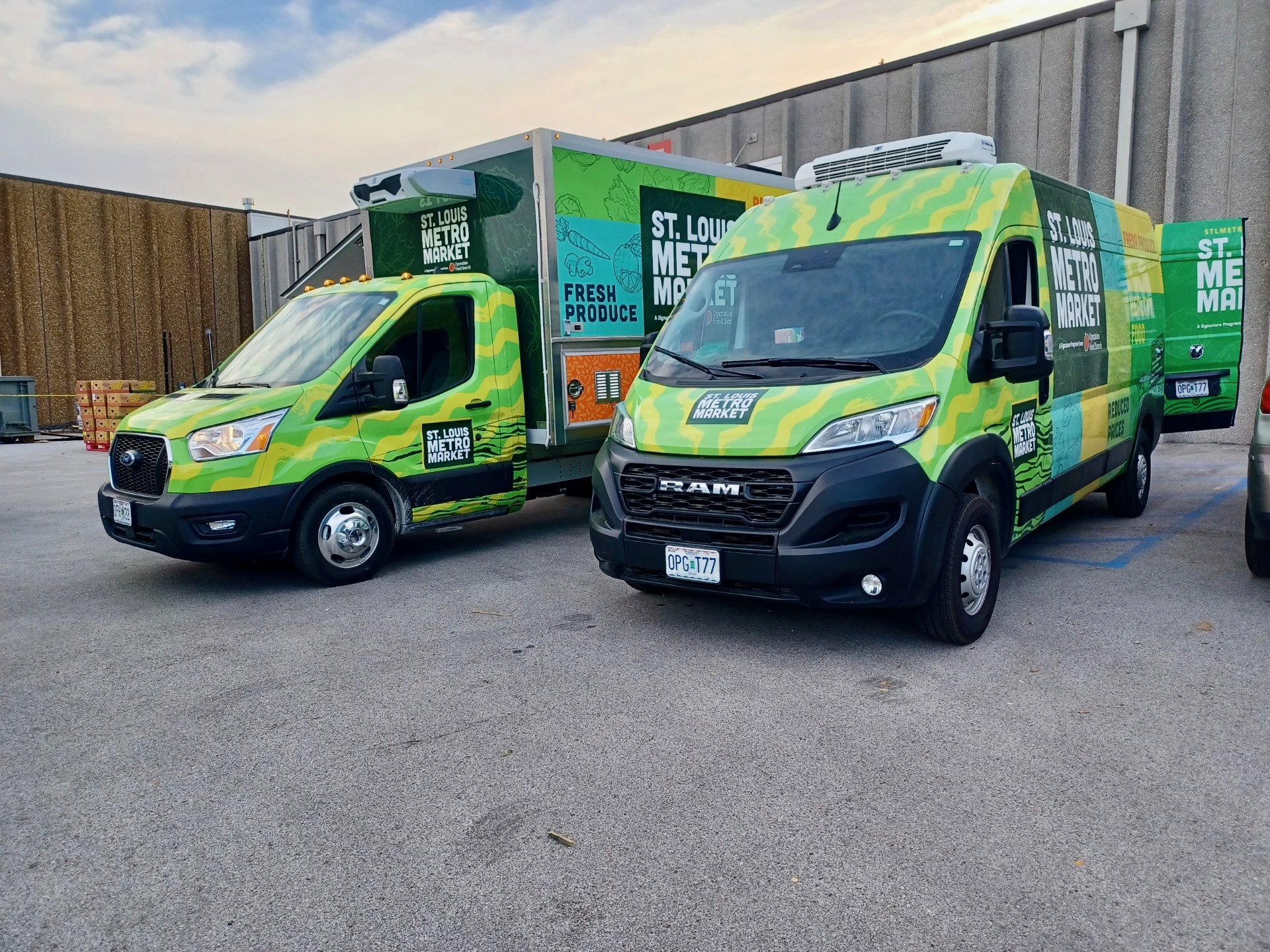
Metro Market van and truck
Looking ahead, Operation Food Search is expanding its Metro Market to year-round service with indoor locations during winter months when fresh food distribution becomes more challenging. They're deepening partnerships with Greater Health Pharmacy to deliver food alongside prescriptions to seniors with chronic health conditions and transportation challenges. They're constantly evolving, constantly asking: What else can we do? How else can we help?
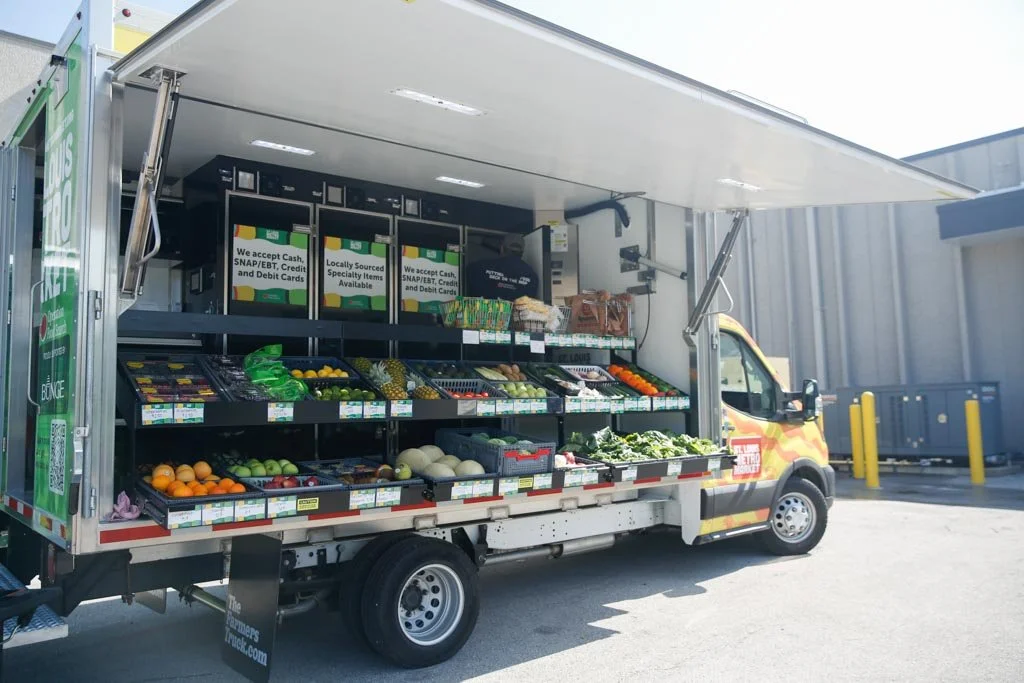
Operation Food Search’s Metro Market
Kristin Wild doesn't sugarcoat the situation. The need is real, persistent and heartbreaking. But when you talk to her, you sense something more powerful than statistics: conviction. Conviction that every child deserves regular, nutritious meals. Conviction that food insecurity is solvable if communities commit to solving it. Conviction that her organization isn't just distributing food — it's distributing possibility.
In a city where one in three children faces food insecurity, that conviction is essential.