
Beyond Pink: Turning Breast Cancer Awareness Into Action
During Breast Cancer Awareness Month, The Hamsa Wellness Community reminds St. Louis that knowledge, movement and connection can be powerful tools in the fight against cancer
By Grayling Holmes / photos provided by The Hamsa Wellness Community
Every October, America turns pink.
Pink ribbons appear on lapels. Buildings are illuminated. Sports teams don pink uniforms. Fundraisers, walks and social media campaigns remind us that October is Breast Cancer Awareness Month.
All of that visibility matters.
But awareness is most meaningful when it inspires action.
Schedule the mammogram. Learn your family history. Ask questions about genetic risk. Make healthier lifestyle choices. Support a friend undergoing treatment. And, for those living with cancer or moving into survivorship, discover how appropriate physical activity and a supportive community can help restore strength, confidence and quality of life.
That philosophy is at the heart of Beyond Pink, the annual wellness and cancer education event presented by The Hamsa Wellness Community at the J on Sunday, October 25, from 10 a.m. to 1 p.m. at the J's Staenberg Family Complex in Creve Coeur.
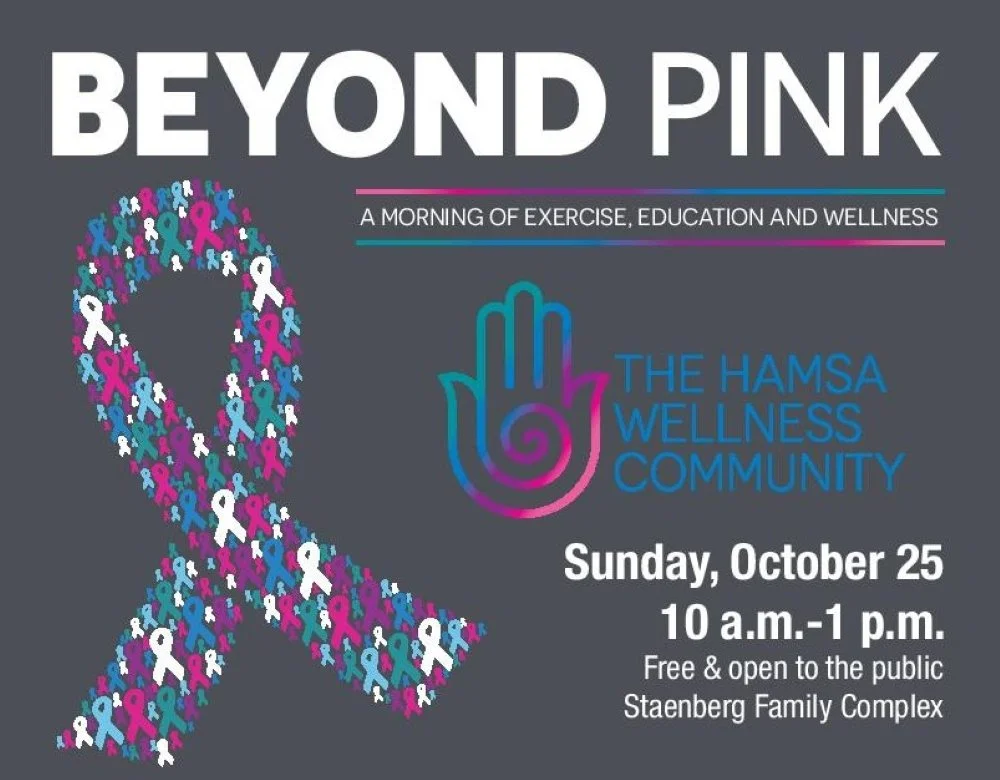
Free and open to the entire community—J members and non-members alike—Beyond Pink combines education with exercise, wellness and connection in an approachable environment designed not to frighten people about cancer, but to empower them.
“Beyond Pink is about going beyond awareness and creating opportunities for people to take action,” says Chelsea Leon, Director of The Hamsa Wellness Community. “Whether you are navigating a cancer diagnosis, supporting someone you love or simply want to learn more about your health and hereditary cancer risks, this morning offers a welcoming place to move, learn and connect.”
It is a particularly timely message during October.
The Numbers Behind the Pink Ribbon
Breast cancer touches an extraordinary number of American families.
The American Cancer Society estimates that approximately 321,910 new cases of invasive breast cancer will be diagnosed among women in the United States in 2026, along with about 60,730 cases of ductal carcinoma in situ. Approximately 42,140 women are expected to die from the disease this year.
The lifetime statistics are equally sobering: about one in eight American women will develop breast cancer during her lifetime.
Breast cancer is the most common cancer diagnosed among American women other than skin cancers and accounts for approximately one out of every three new cancers diagnosed in women.
But there is encouraging news as well.
Breast cancer death rates have fallen dramatically over the past several decades. According to the American Cancer Society, the breast cancer death rate declined by 44 percent between 1989 and 2023, progress attributed in large part to earlier detection and advances in treatment.
That is why Breast Cancer Awareness Month should be about far more than wearing pink.
It should prompt conversations.
Do you know your personal risk? Do you know your family history? Are you getting the screenings recommended for you? And have you discussed those questions with your healthcare provider?
Screening can detect breast cancer before symptoms appear and can find cancers earlier, when they may be easier to treat. Current recommendations vary according to age and individual risk, making a conversation with one's healthcare provider particularly important.
For many people, family history adds another layer to that conversation.
When Cancer Is in the Family
One of the distinctive missions of The Hamsa Wellness Community is education surrounding hereditary cancer risk.
Hamsa is a cancer support community at the J and a community partner of the national nonprofit Sharsheret. While its programs serve people throughout the community, it places particular emphasis on educating women and men of Ashkenazi Jewish ancestry about hereditary cancer gene mutations.
Certain inherited genetic changes—including mutations in BRCA1 and BRCA2—can significantly increase the risk of breast, ovarian and certain other cancers.
That connection is especially significant within the Ashkenazi Jewish population. Sharsheret reports that approximately one in 40 people of Ashkenazi Jewish ancestry carries a BRCA1 or BRCA2 alteration, compared with approximately one in 345 people in the general population.
Knowing that information is not intended to create fear.
It creates options.
A detailed family history, genetic counseling and, when appropriate, genetic testing can help individuals and their physicians better understand risk and make informed decisions about screening, prevention and care.
And hereditary cancer risk doesn't come exclusively through mothers and daughters. Genetic alterations can be inherited from either parent, making family history relevant to men as well as women.
That is precisely the kind of knowledge Beyond Pink hopes to put into people's hands.
Move Your Body. Strengthen Your Life.
Beyond Pink also makes another important point about wellness: cancer awareness doesn't have to happen while sitting in a lecture hall.
Sometimes it happens while moving.
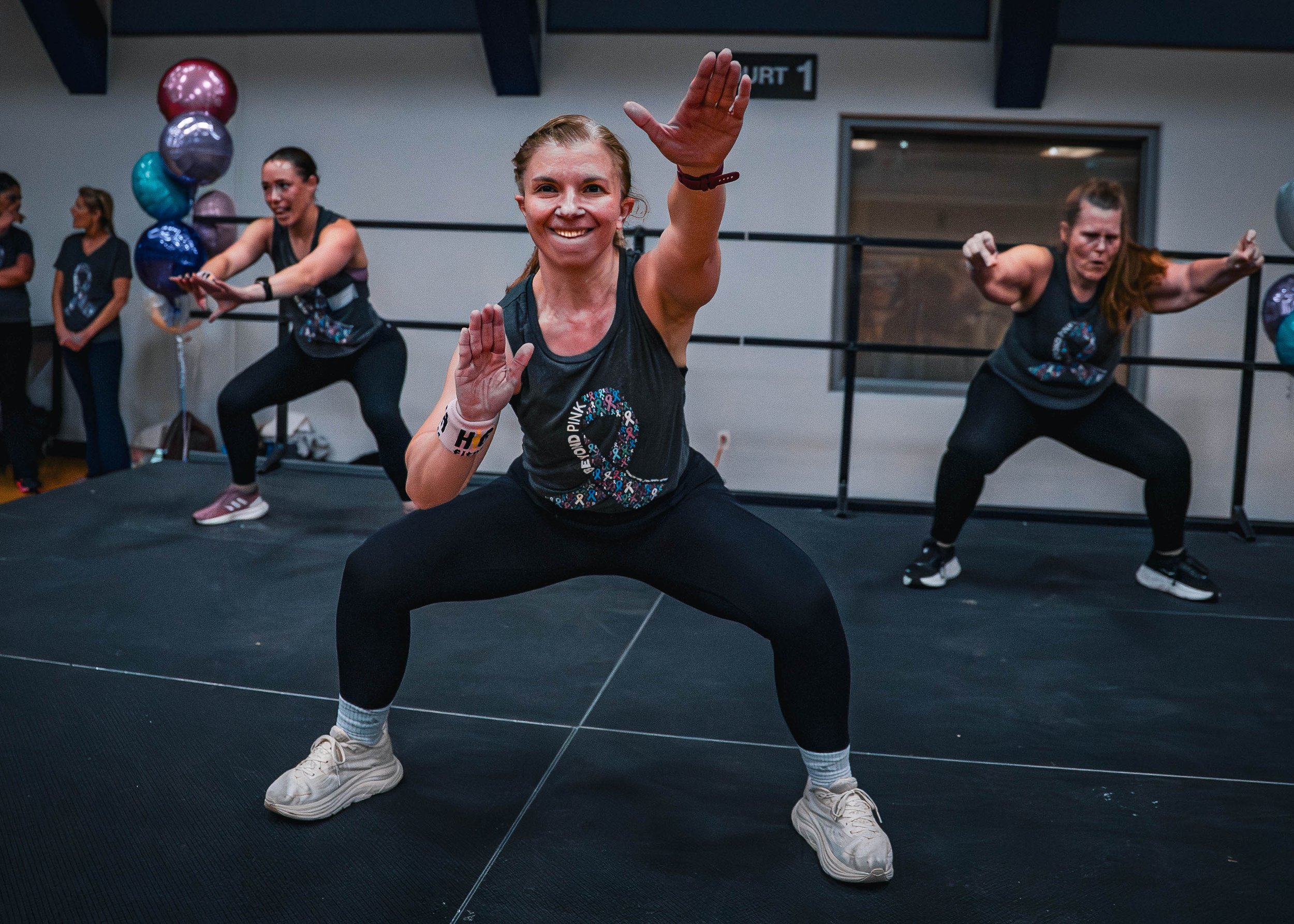
Throughout the morning, participants can choose among Zumba/High Low, Strength Over Cancer, Restorative and Roll, Yoga for Cancer and T'ai Chi, while complimentary chair massages offer another opportunity to focus on wellness.
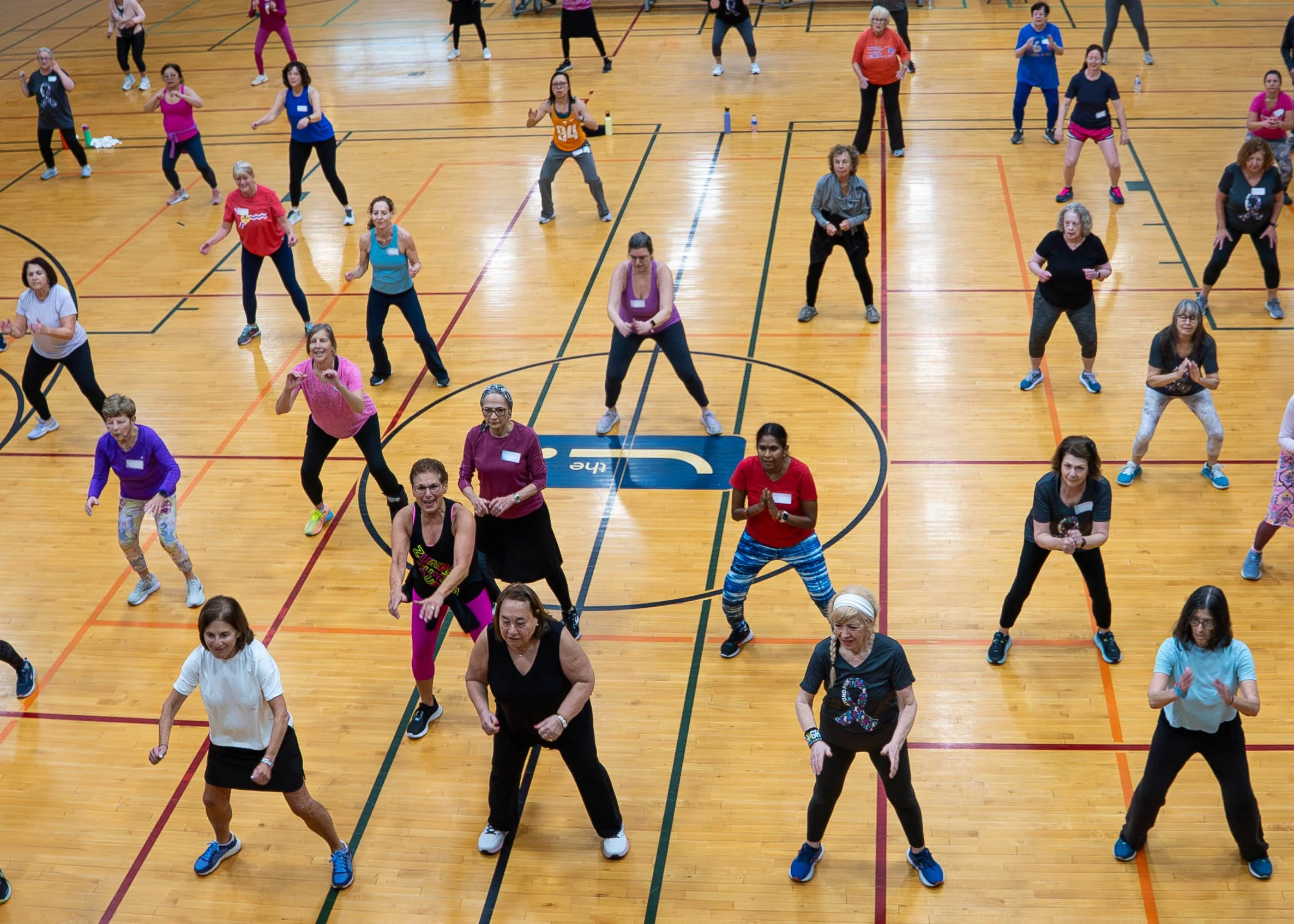
The connection between physical activity and cancer health is increasingly important.
The CDC identifies physical inactivity as one of the modifiable factors associated with breast cancer risk. And for people already facing cancer, the American Cancer Society reports that exercise is safe and beneficial for most people before, during and after treatment when appropriately tailored to the individual.
Physical activity can help improve muscle strength, bone health and range of motion while reducing some treatment-related side effects and improving quality of life. Research involving breast cancer survivors has also consistently associated physical activity with a lower risk of recurrence and death from breast cancer.
That does not mean someone undergoing cancer treatment should simply head to the gym and begin an intensive exercise regimen. Cancer type, treatment, physical condition and side effects all matter, and individuals should consult their cancer-care team before beginning or significantly changing an exercise program.
That is part of what makes Hamsa's approach so meaningful.
Strength Over Cancer and Yoga for Cancer aren't simply generic fitness classes with cancer added to their names. They are Hamsa Wellness Community programs specifically designed to support people impacted by cancer.
For someone accustomed to being strong and independent, cancer can make the body suddenly feel unfamiliar. Surgery, chemotherapy, radiation and other treatments can affect stamina, muscle strength, balance, mobility and confidence.
Appropriate movement can become part of rebuilding.
Strength Over Cancer recognizes that wellness after diagnosis is not simply about surviving the disease. It is about helping people continue to live.
A Community of Resources Under One Roof
No two cancer journeys are identical.
One person may arrive at Beyond Pink because her mother had breast cancer and she has questions about genetic testing.
Another may recently have completed treatment.
Someone else may be caring for a spouse or friend.
Another attendee may have no cancer diagnosis at all but simply wants to become more proactive about personal health.
Beyond Pink is designed for all of them.
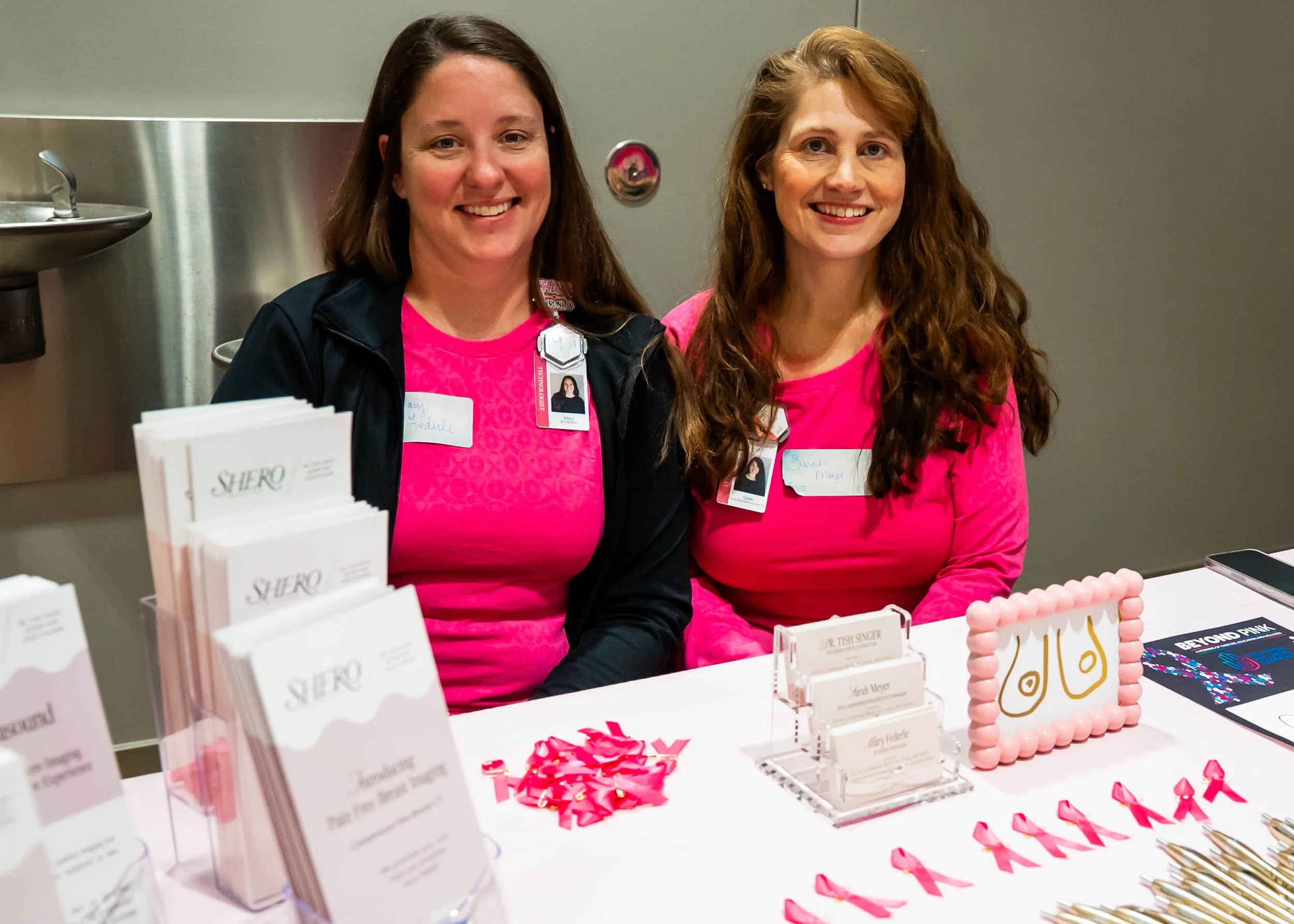
In addition to the morning's fitness and wellness programming, participating organizations will provide information about hereditary cancer risk, genetic testing and counseling, cancer rehabilitation, financial assistance, breast and ovarian cancer, and other resources.
Participating organizations include Cancer Support Community, Missouri Baptist Breast HealthCare Center, Pink Ribbon Good, ReVital Cancer Rehabilitation, Roots Acupuncture and Healing, Siteman Cancer Center/WashU and St. Louis Ovarian Cancer Awareness (SLOCA).
Bringing those organizations together is important because cancer rarely presents just one challenge.
There is the medical diagnosis, of course.
But there can also be financial stress, emotional strain, physical limitations, questions about genetics, concerns about recurrence and the everyday practical realities of continuing to work, parent, care for loved ones and maintain relationships while navigating treatment.
Community can make that journey less isolating.
Beyond Breast Cancer—and Beyond Pink
Although October understandably focuses national attention on breast cancer, Hamsa's work extends beyond a single cancer and beyond a single month.
The organization provides support to people wherever they may be on their cancer journey, including specialized fitness programs and support groups.
Even the name of its October event communicates something important.
Beyond Pink.
The pink ribbon has become one of the world's most recognizable symbols of cancer awareness. But after decades of awareness campaigns, perhaps the next evolution is exactly what Hamsa is encouraging: moving from recognizing the symbol to understanding what we can actually do.
Know your family history.
Understand your personal risk.
Talk to your physician.
Follow an appropriate screening schedule.
Ask whether genetic counseling may be right for you.
Move your body in ways that are safe and appropriate for your health.
Support someone going through treatment.
And recognize that cancer survivorship involves the whole person—not simply the disease.
A Sunday Morning That Could Make a Difference
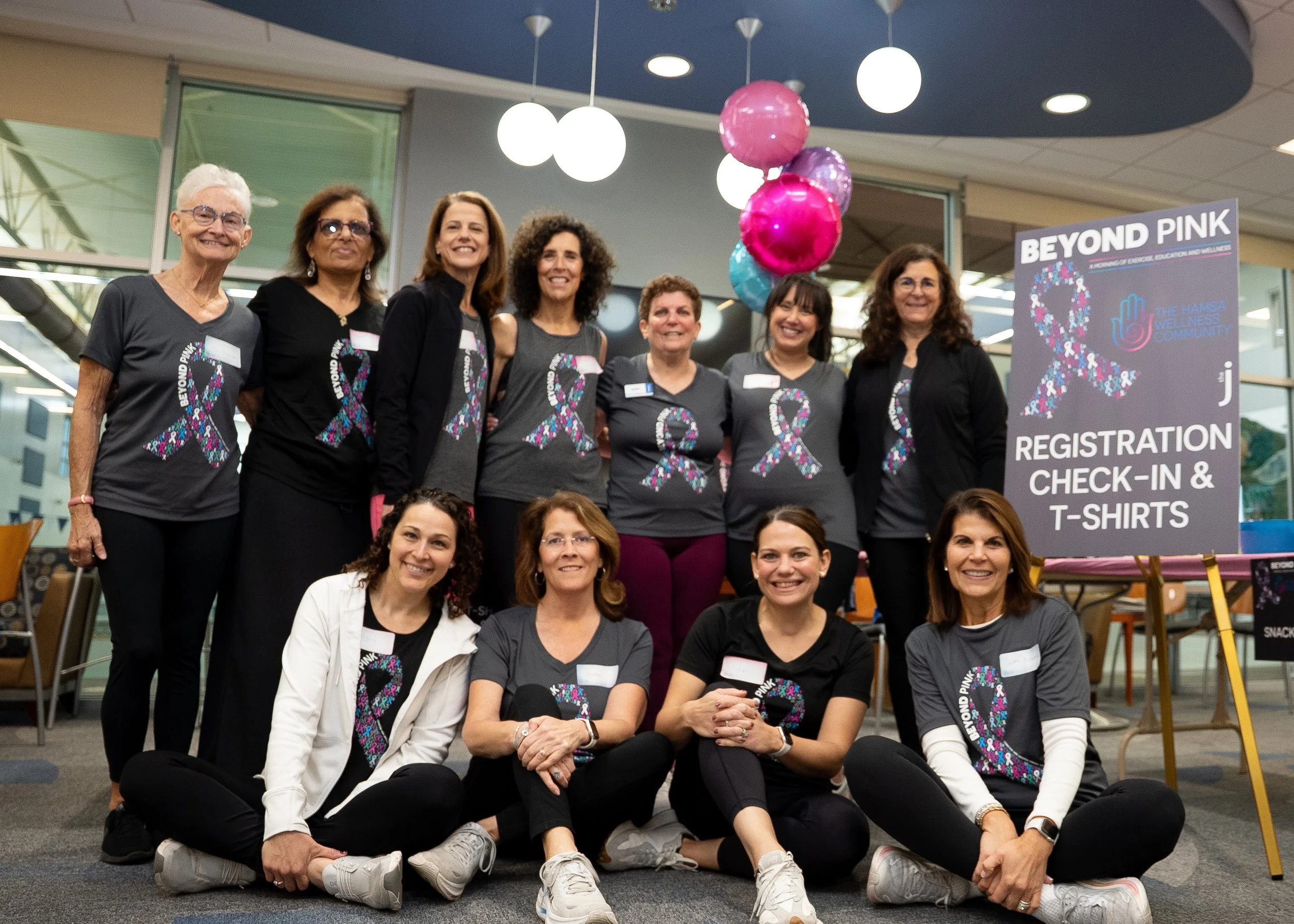
Beyond Pink is intentionally accessible.
There is no expensive gala ticket. No black tie. No prerequisite for participation.
The event is free and open to both J members and non-members.
Come in workout clothes. Try T'ai Chi. Experience Yoga for Cancer. Learn about Strength Over Cancer. Take a Zumba class. Enjoy a chair massage. Grab a snack.
Then ask questions.
Talk with representatives from some of the region's leading cancer and wellness organizations. Learn about hereditary risk. Pick up information for yourself—or perhaps for someone you love.
Limited-edition Beyond Pink T-shirts will also be available for $20 while supplies last.
The event takes place Sunday, October 25, from 10 a.m. to 1 p.m. at the J's Staenberg Family Complex in Creve Coeur. Registration is required.
October will eventually end.
The ribbons will come down. The pink lights will disappear. Another awareness month will take its place on the calendar.
But breast cancer will not disappear on November 1.
Neither will the people undergoing treatment, the survivors rebuilding their strength, the families wondering about hereditary risk or the friends and caregivers trying to help someone they love.
That is why the message of Beyond Pink matters far beyond a single Sunday morning.
Awareness gets our attention. Knowledge gives us power. Movement can help give us strength. And community reminds us that no one has to navigate cancer alone.
This October, wear the pink ribbon if it means something to you.
But then go beyond it.
Learn. Move. Ask questions. Know your risk. Support one another. And take action.
Beyond Pink
Sunday, October 25, 2026
10 a.m.–1 p.m.
The J's Staenberg Family Complex, Creve Coeur
Free and open to J members and non-members; registration required.
For the complete schedule and registration, visit jccstl.com/beyondpink.
For questions or information about The Hamsa Wellness Community, contact Chelsea Leon at 314-442-3266 or cleon@jccstl.org.