A New Brand of St. Louis Patronage
By Craig Kaminer | Photos by Zach Dalin
On a cold night at the 2026 Winter Olympics in Cortina, Italy, the light is sharp and cinematic. Racers drop. Edges bite. Time fractures into hundredths.
And carried across the mountain, in the rhythm of the broadcast, a name repeats: Stifel.
For Ronald J. Kruszewski, that moment — quiet, global, unmistakable — is the point.

Chairman and CEO of Stifel Financial Corporation Ronald J. Kruszewski
He runs a firm most people will never physically touch. Stifel Financial Corporation deals in trust, capital advice — intangible things. So he made a decision. If the business is invisible, the brand cannot be. That decision now lives everywhere.
On the jerseys of the St. Louis Blues and the St. Louis Cardinals. Above the marquee of the Stifel Theatre. And, perhaps most powerfully, on the global stage of the Stifel U.S. Ski Team.
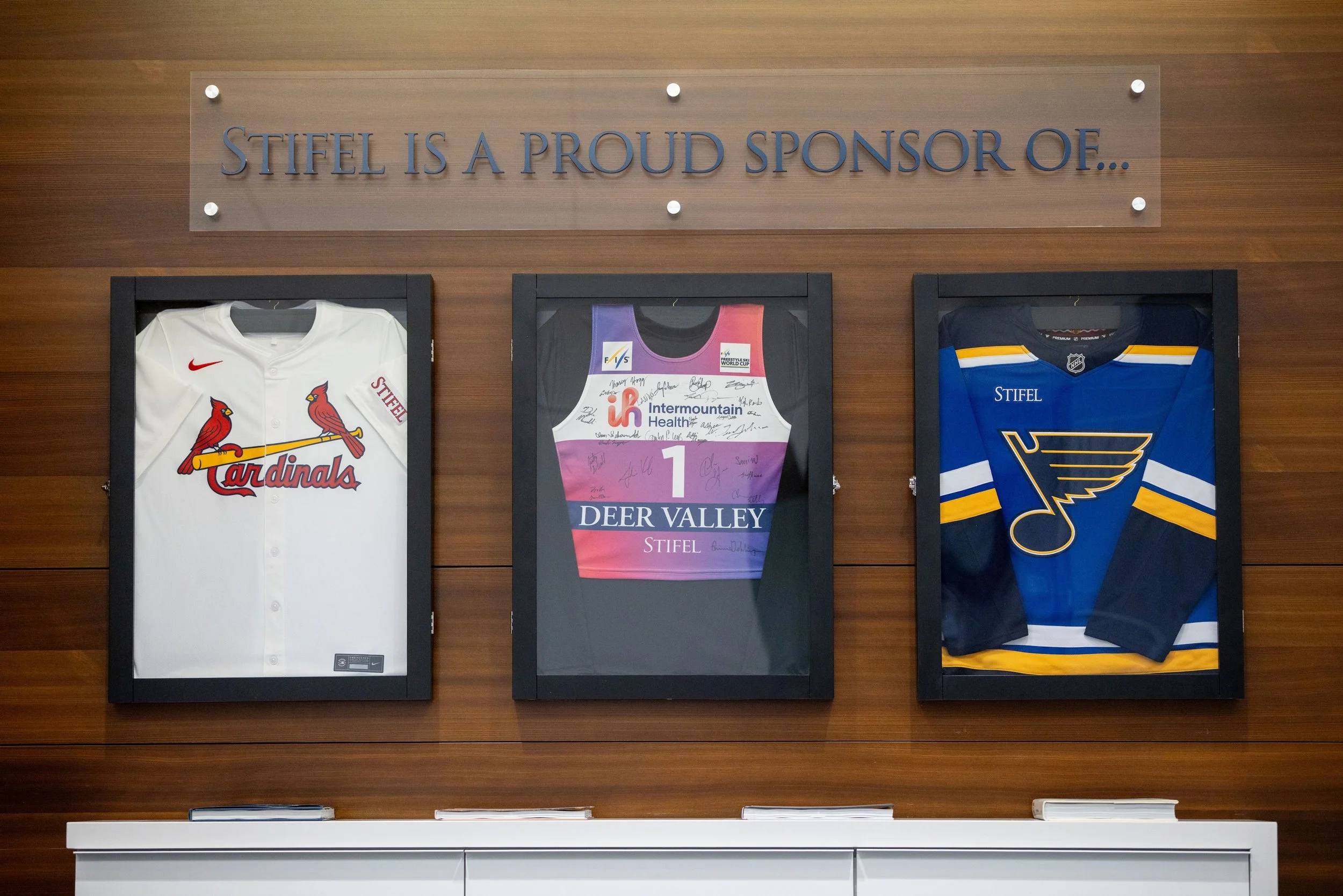
But ask Kruszewski why, and he doesn’t start with marketing. He starts with place.
“First of all, I love St. Louis,” he says. “I’ve been here 28 years, and the thing I noticed — besides it being a great community — was how much it loves its sports.” That observation became insight. And that insight became strategy.
He continues. “The iconic brands that the Blues and Cardinals have — not just in St. Louis, but across the country— for us to associate with such quality organizations… it’s not only a matter of civic pride, but it’s good business.”
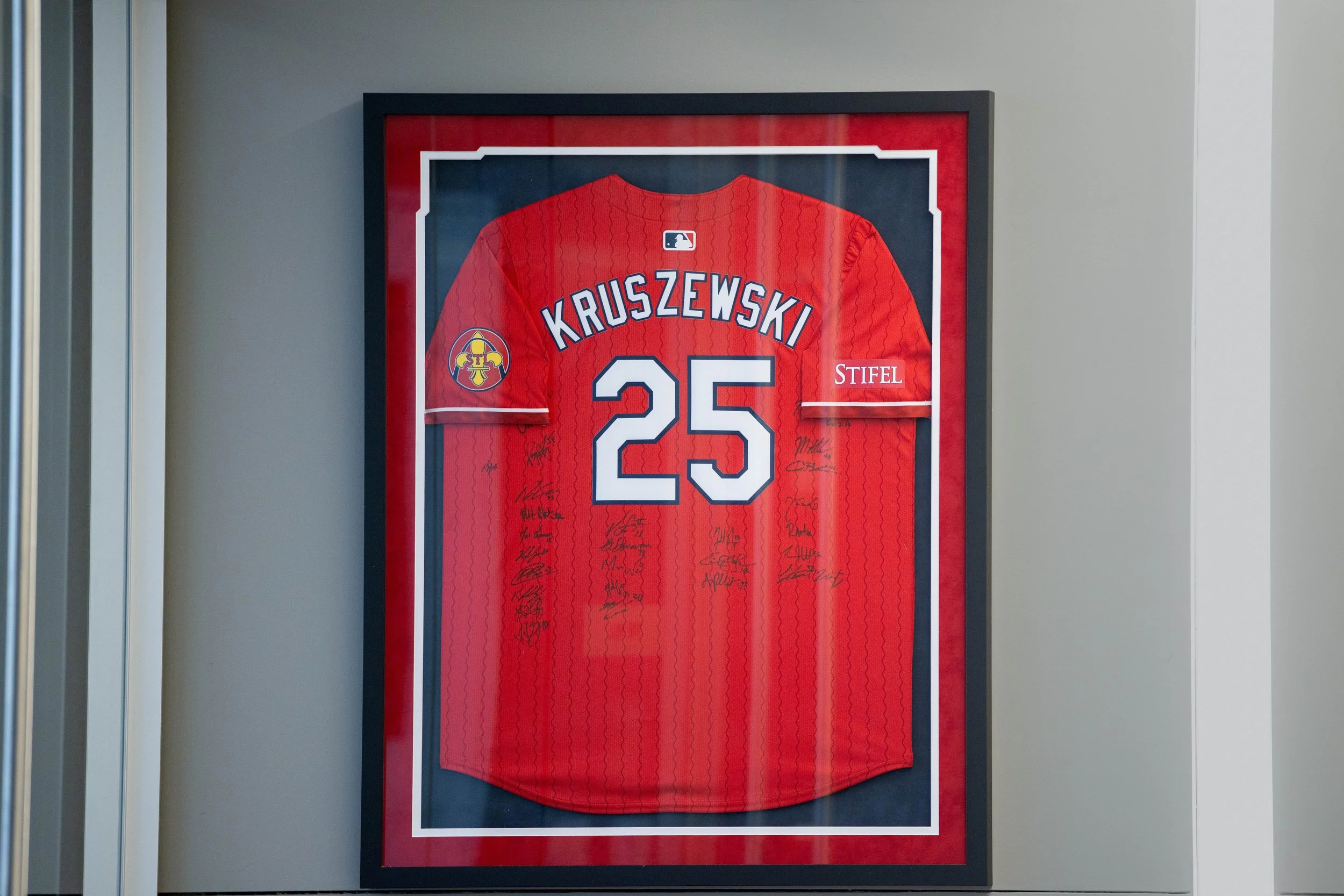
That duality — civic pride and business discipline — sits at the center of everything he’s built. Because these weren’t just sponsorships. They were statements.
When Stifel became the first jersey patch sponsor for the Blues and later deepened its relationship with the Cardinals, the reaction wasn’t universally positive. There was resistance. Even outrage. “These are iconic uniforms,” Kruszewski acknowledges. “People almost got mad at Stifel.” So he made a subtle but telling choice.
“If you look closely, we didn’t use our color or our logo,” he explains. “It just says Stifel — in Blues blue or Cardinals red — so the fans have respected the fact that we’ve respected the uniform.”
It’s a small detail. But it reveals something larger. This is not branding imposed. It’s branding integrated. And integration is what makes it travel.
“When the Blues or Cardinals are on the road,” he says, “my friends will text me — ‘Hey, I didn’t know you were involved with them.’” That’s the multiplier effect. A local alignment becomes a national signal. It also reflects a shift in the rules.
“Putting logos on uniforms — that’s relatively new,” Kruszewski says. “Three or four years.” Which means opportunity. And timing. “I’d like to think we saw it early,” he says. “And others have seen how it’s improved our brand.”
But even that doesn’t fully explain his most ambitious move.
When U.S. Ski & Snowboard approached him about a traditional sponsorship, the answer was unexpected.
“They asked if I wanted a patch,” he recalls. “I said no.” Instead, he countered. “What if we rebranded the team — the Stifel U.S. Ski Team?” They agreed. That decision changed everything. “Now every company — Visa, Toyota, all of them — they look at that and think we caught lightning in a bottle.”
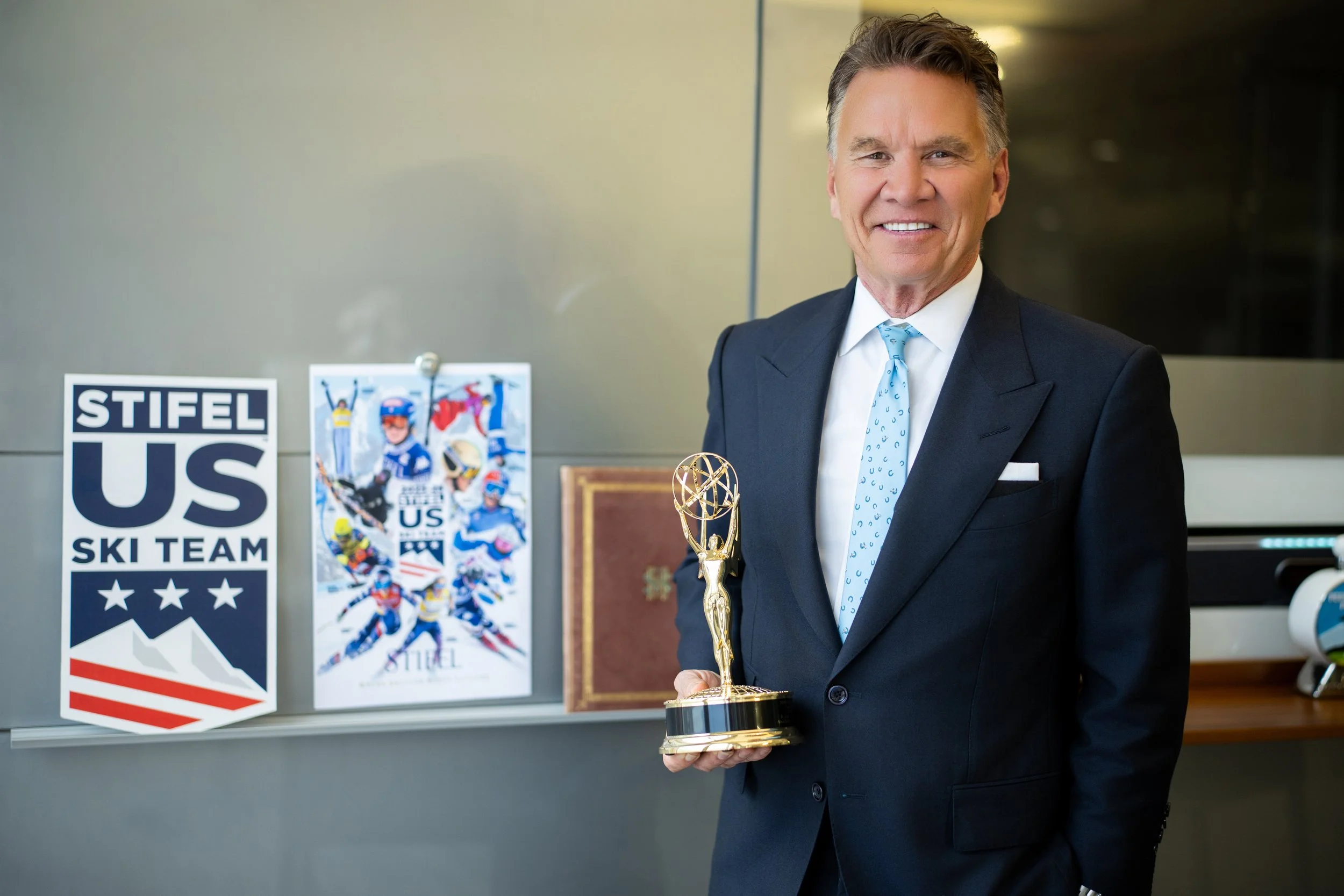
It’s not just visibility. It’s ownership of the narrative. Stand at the top of a mountain with Mikaela Shiffrin, cameras rolling, the world watching — and the name is right there. “It doesn’t get much better than that,” Kruszewski says.
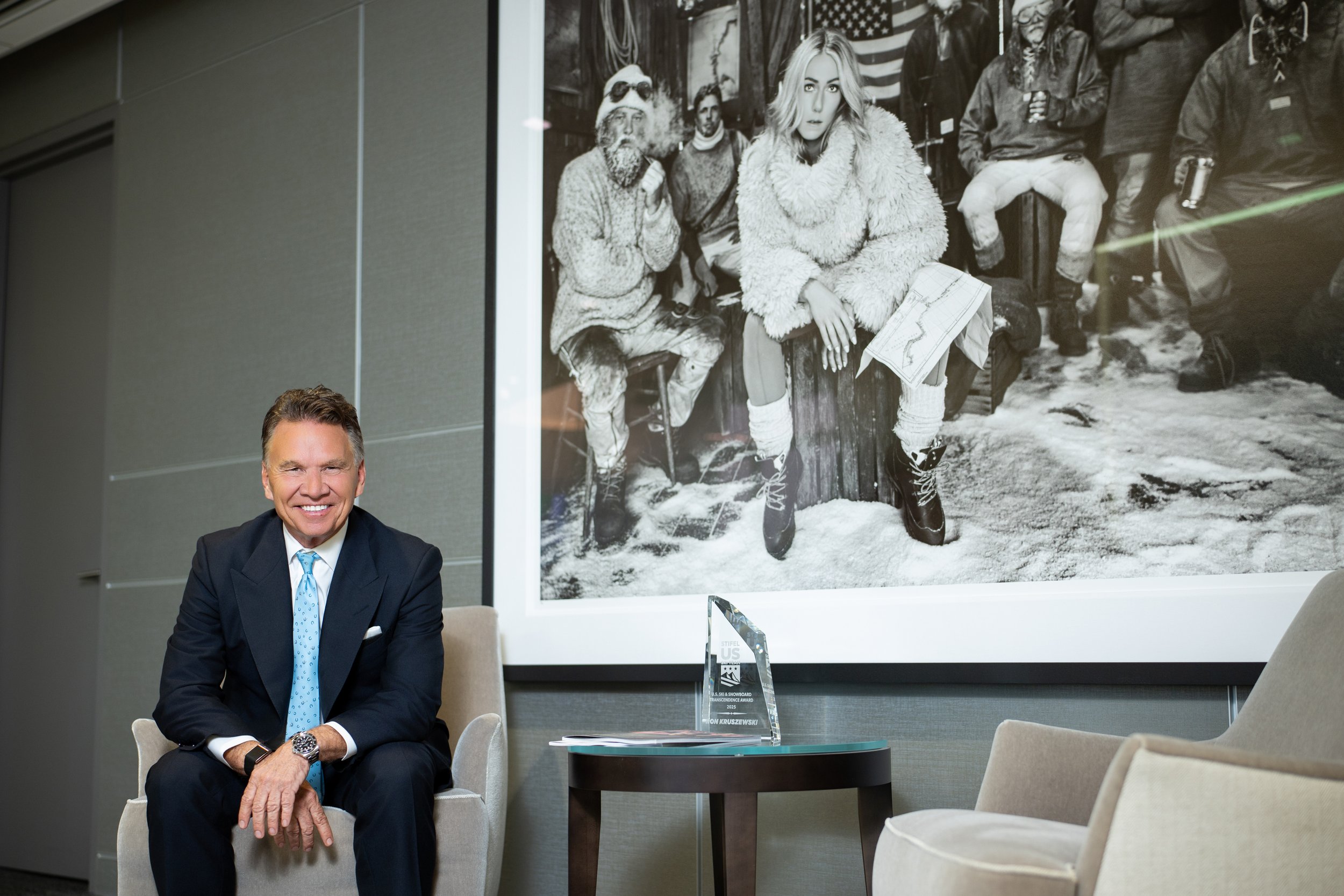
But the real genius is what comes next. “We celebrate the athletes,” he explains. “Their dedication, their perseverance — everything it takes to be world-class.”
In one campaign, the focus is entirely on Shiffrin. Her story. Her discipline. Her excellence. “And at the very end,” he says, “it just says: Stifel — where success meets success.”
No explanation. No product pitch. “And people say, ‘You don’t even say what you do.’”
He smiles.
“I don’t have to. They Google it.”
That philosophy — subtle, confident, associative — runs through everything. Including the arts.
The Stifel Theatre wasn’t part of some grand master plan. It was, in many ways, instinct.
“It used to be the Peabody,” he says. “When that naming rights deal ended, we thought about it — and we wanted to support downtown.”
That’s the first layer. But not the only one. “I come down here every day,” he says, referring to his office on North Broadway. “I could work from Frontenac. But I believe in downtown St. Louis.” So the theatre became both symbol and signal. Support the city. Support the arts. And then, expand.
“We’re doing Stifel Stars on Ice. We’ve brought Andrea Bocelli here — we sponsor his national tour. Josh Groban. Derek Hough.” It’s a deliberately eclectic mix. Because something unexpected started happening. “People come up to me and say, ‘You’re a creative firm.’”
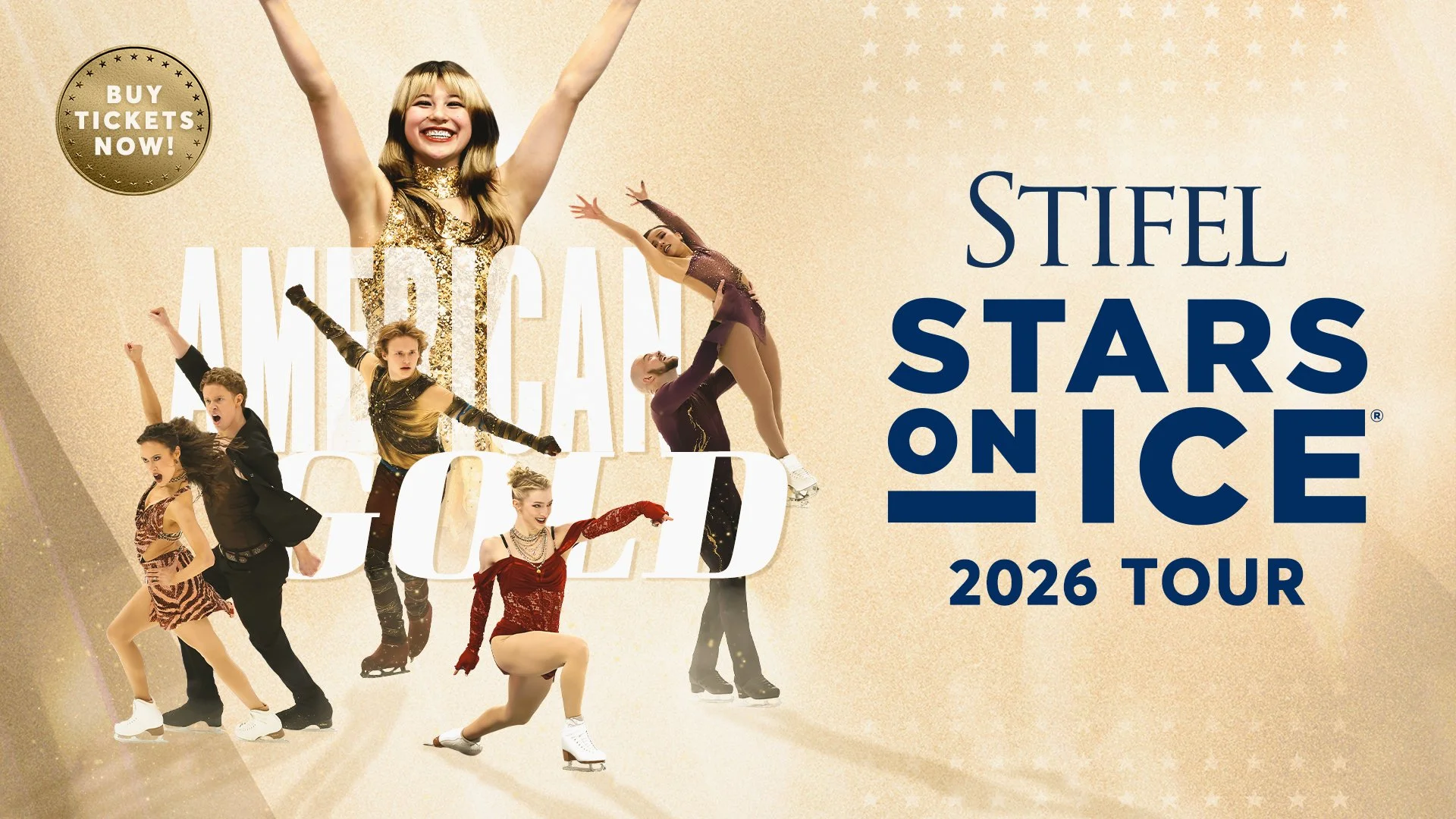
Stifel Stars On Ice Plays at Arenas Nationwide
He laughs. “I push numbers around. I’m not creative.”
But perception says otherwise. “When you associate with athletes and the arts and all these things,” he says, “the backsplash is that you’re fun, creative — and a financial firm.”
A combination that doesn’t usually exist. But now, increasingly, it does. That’s when the conversation shifts from sponsorship to something older. Something deeper. Patronage.
In discussing the Medici of Florence and their support of the greatest artists of the Renaissance including Michelangelo, da Vinci, Botticelli and dozens more, Kruszewski said,“They didn’t sponsor artists — they supported them so they could keep creating.”
“Stifel’s been around since 1890,” he says. “One hundred and thirty-five years.” A legacy firm. Stable. Respected. But quiet. “We needed to update what we do.” So he reframed the identity.
“We’re a firm where success meets success.” Not just internally. Externally. Visibly. Athletes. Artists. Teams. Performers. “Where athletic prowess meets athletic prowess. Where creativity meets creativity.” And in that intersection, the brand takes on new meaning.
Of course, there are metrics. Studies. Impressions. Return on investment. Kruszewski sees them all. But his benchmark is simpler. “For years, no one could pronounce Stifel,” he says. “Stifle. Stifle.” Now? “Everyone knows our name.”
That’s the ROI. Clarity. Recognition. Confidence. But even that undersells what’s happening. Because beneath the strategy is something more human. Connection. “The things people respond to most,” he says, “aren’t the financial insights.” They’re the personal moments. The reflections. The stories. “When I write something personal — about my daughter’s wedding, or life — it resonates,” he says.
People want to know the person behind the position. Just as they want to know the story behind the brand. And that, in the end, ties everything together. Sports. Arts. Patronage. Brand. City.
“It’s a flywheel,” he explains. “You associate with quality people — clients, athletes, performers — and they attract more of the same.”
Momentum builds. Opportunities multiply. “At this point,” he says, “I have more calls than I can take.”
Which raises the inevitable question. What’s next? More athletes. More ambassadors. Golf. Soccer. Cycling. Even lacrosse—the Tewaaraton Award, which he jokes is “almost as hard to pronounce as Stifel.”
But the common thread is clear. “These are people others look up to,” he says. “And I respect that they’re willing to partner with us.”
Still, the expansion is not limitless. “There are only so many days in the year,” he admits. Which means the filter matters more than ever. And the filter hasn’t changed. Excellence. Alignment. Authenticity.
Back in St. Louis, the impact is tangible. “You can go to a Cardinals game, be home 15 minutes later,” he says. “Try that in New York.”
He calls St. Louis a “small big town.” Not a big small town. World-class institutions. Accessible scale. A place where community still feels possible. “I wish we recognized that more,” he says.
Because in many ways, that’s what all of this is about. Not just building a brand. But reinforcing a belief. That St. Louis matters. That it can compete. That it can attract, create and sustain excellence. And that sometimes, all it takes is someone willing to invest in that idea — loudly, visibly and without apology.
On a mountainside in Italy, as the world watches a skier drop into history, the name echoes again. Stifel. It feels natural now. Expected. Earned.
The Stifel Snow Show breaks down the rosters for Team USA's cross-country skiing, freestyle skiing, and snowboarding teams for the Milan Cortina Winter Olympics.
For Ronald J. Kruszewski, that’s the real victory. Not just being seen. But being understood. Where success meets success.