
The Rooms That Speak: Lou Bopp and the Art of Photographing Absence
By Craig Kaminer | Photos and video by John Lore
In a culture saturated with images — scrolling, disposable, instantly forgotten — there are still photographs that refuse to be glanced at. They demand stillness. They insist on presence. They linger.
And in the case of St. Louis-based photographer Lou Bopp, they ask something even more difficult: to confront what is no longer there.
That confrontation has now reached the highest stage in film. “All the Empty Rooms,” the documentary short built around Bopp’s quietly devastating photography, has won the Academy Award — an extraordinary moment for a project that was never meant to be loud; never meant to be celebrated in the traditional sense.
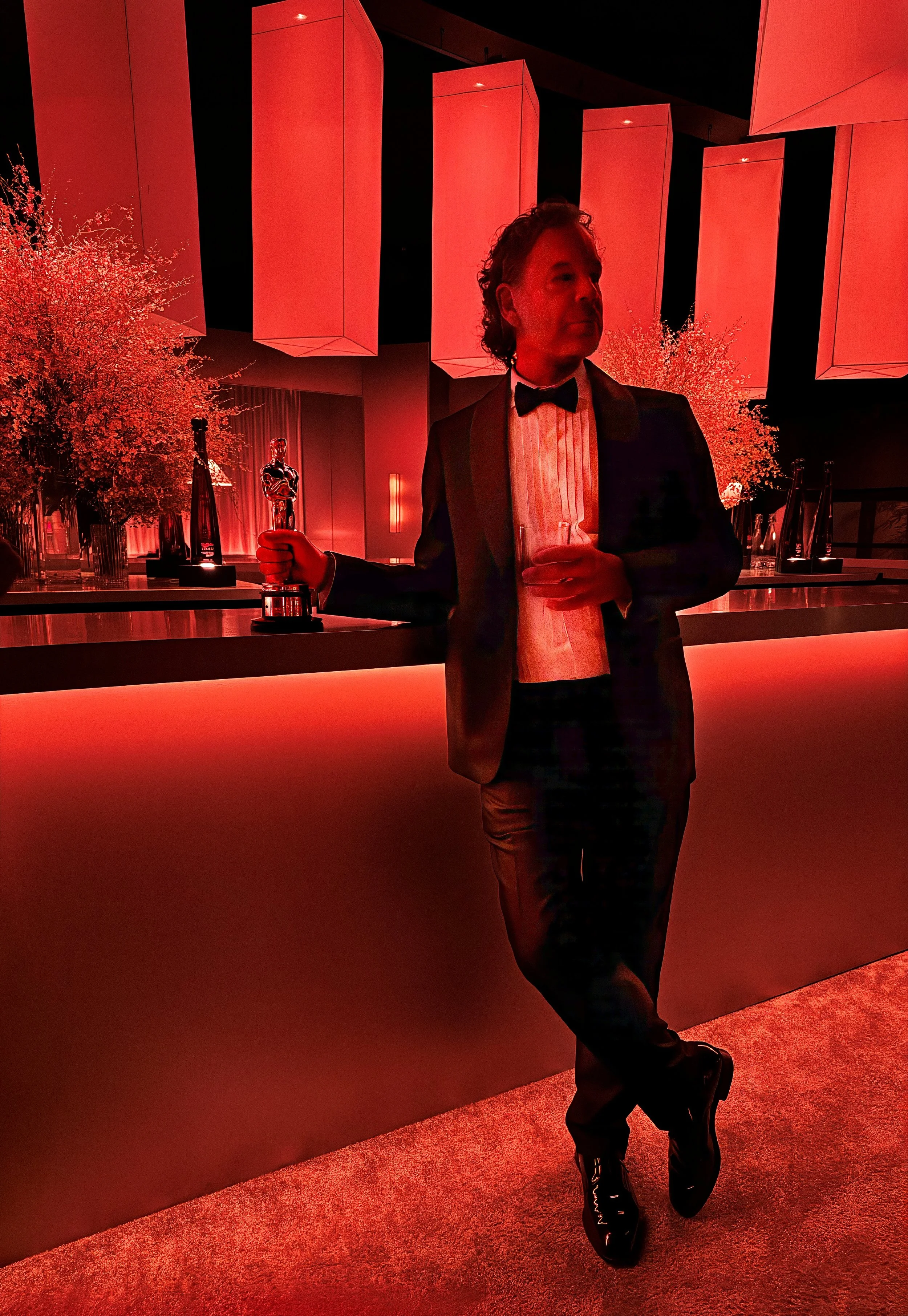
St. Louis’ Lou Bopp wins Academy Award for the documentary “All the Empty Rooms.”
From the beginning, this work was about something else entirely.
“It’s never been about me,” Bopp says. “Even in this project, it was never about me. It’s about the families and it’s about the issue.”
For more than four decades, Bopp built a career photographing powerful, recognizable figures — people whose identities were unmistakable — whose presence filled the frame.
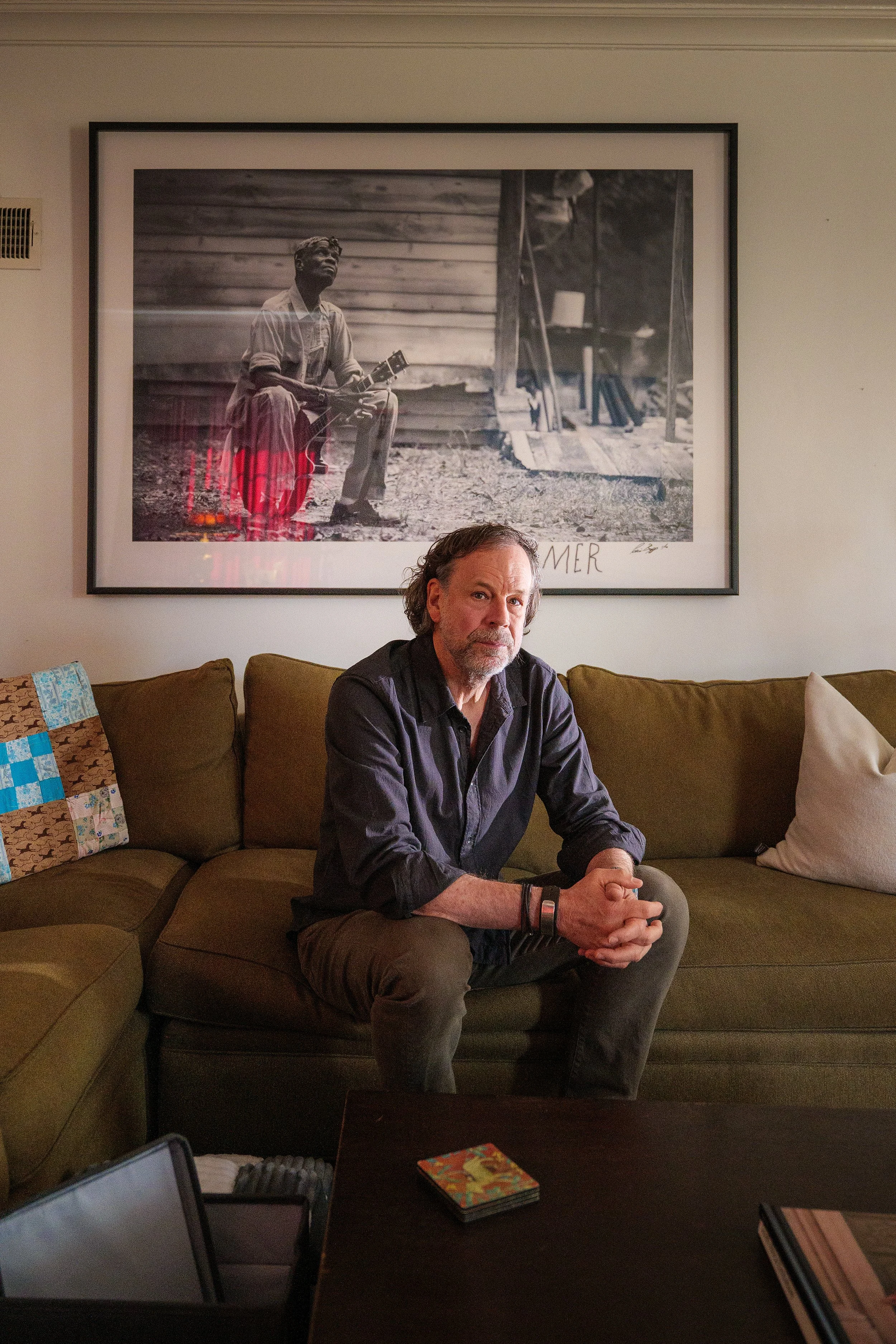
Then came a call from Steve Hartman of CBS News.
“My friend Steve Hartman called me about eight years ago, presented this idea to me and I thought it was great. I immediately said yes,” Bopp recalls.
The idea was simple in concept, almost impossible in execution: photograph the preserved bedrooms of children killed in school shootings.
Not stylized. Not interpreted. Just… documented.
“It seemed like a really difficult ask of anybody, especially the parents,” Bopp admits.
A few families said yes.
They had no idea what it would become.
“We had no idea that it was going to turn into this,” he says.
The hardest part wasn’t the photography.
It was everything before it.
“Whenever Steve would call and tell me we had another family that agreed to trust us… that’s when I started to get super nervous,” Bopp says.
That word — trust — sits at the center of the entire project.
From the moment he knew another family had opened their door, the emotional weight began to build.
“I couldn’t sleep. It’s all I could think about the night before,” he says of those early visits.
By the time he arrived, camera in hand, he was already overwhelmed.
“Leading up to me knocking on the door — I mean, I was an emotional wreck. I had no idea what to say, what to do, how to act.”
And yet, once inside, something shifted.
“We laughed, we cried,” he says.
What makes Bopp’s photographs so powerful is not just what he captures but how he captures it.
There is a discipline, almost a ritual, to his process.
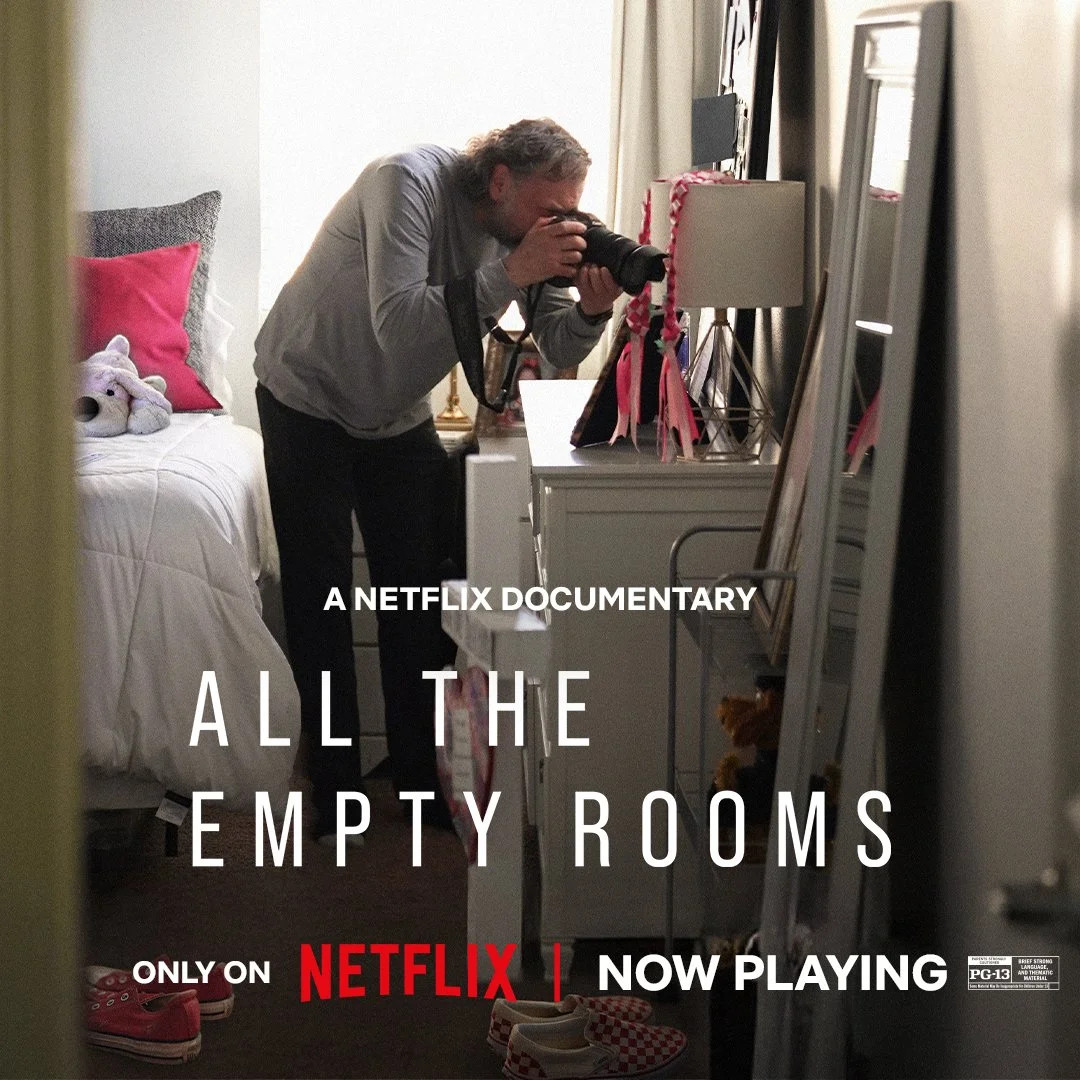
“I didn’t touch anything. I didn’t use lights. No tripods. One lens, one camera,” he explains.
“I took off my shoes before I went in each bedroom.”
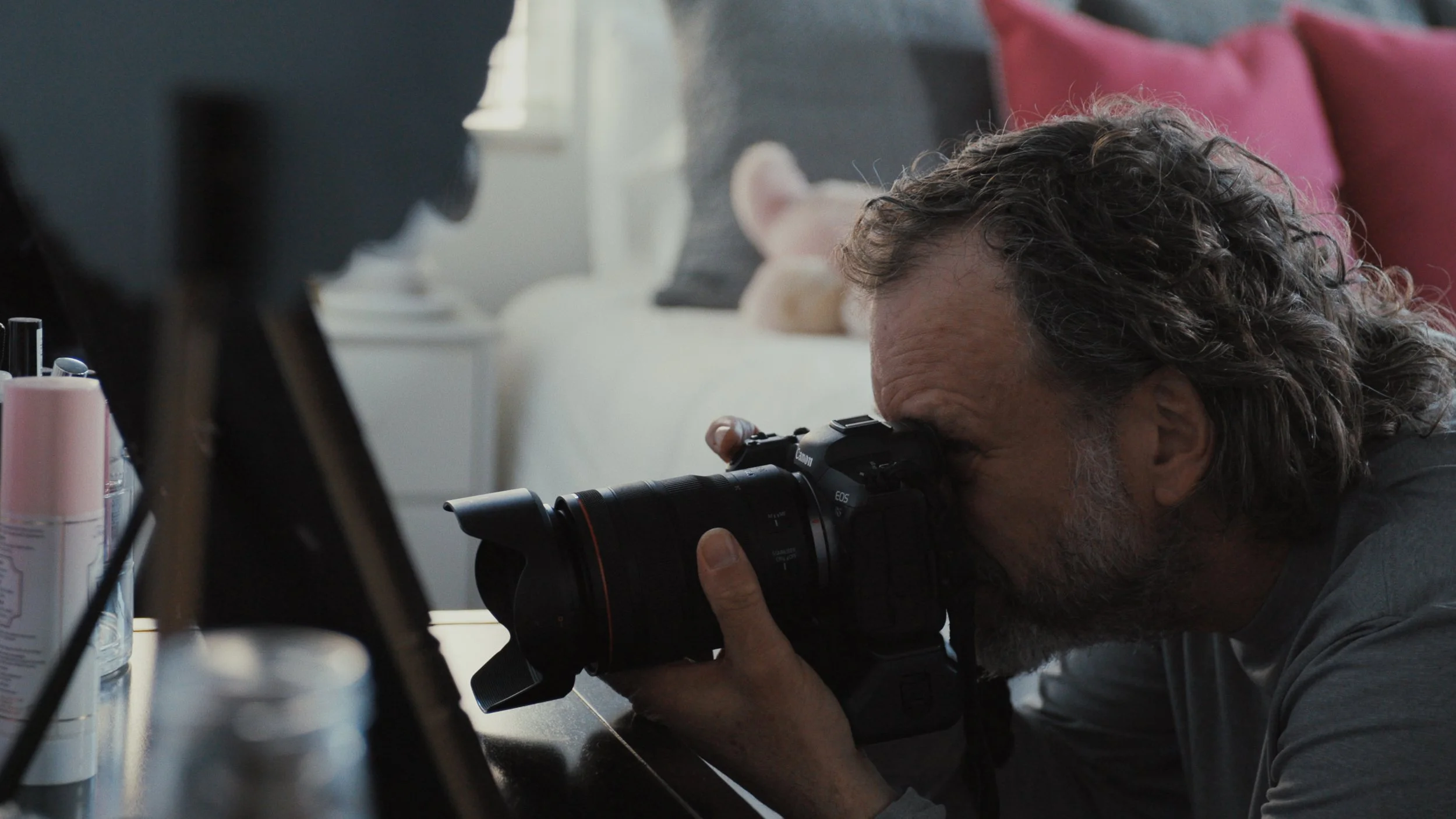
Then, in a line that reveals everything about his approach: “I hid behind the camera. That’s how I dealt with it.”
The restraint is striking. No staging. No manipulation. No intrusion.
Only observation.
Bopp often worked alone in the rooms, with the families stepping aside, which allowed him to absorb what was in front of him.
“I was given space to just sit with it,” he says. “Just sit in the bedroom and feel.”
And from that stillness came the central challenge of the project: How do I take a portrait of somebody who’s not there?”
That question defines “All the Empty Rooms.”
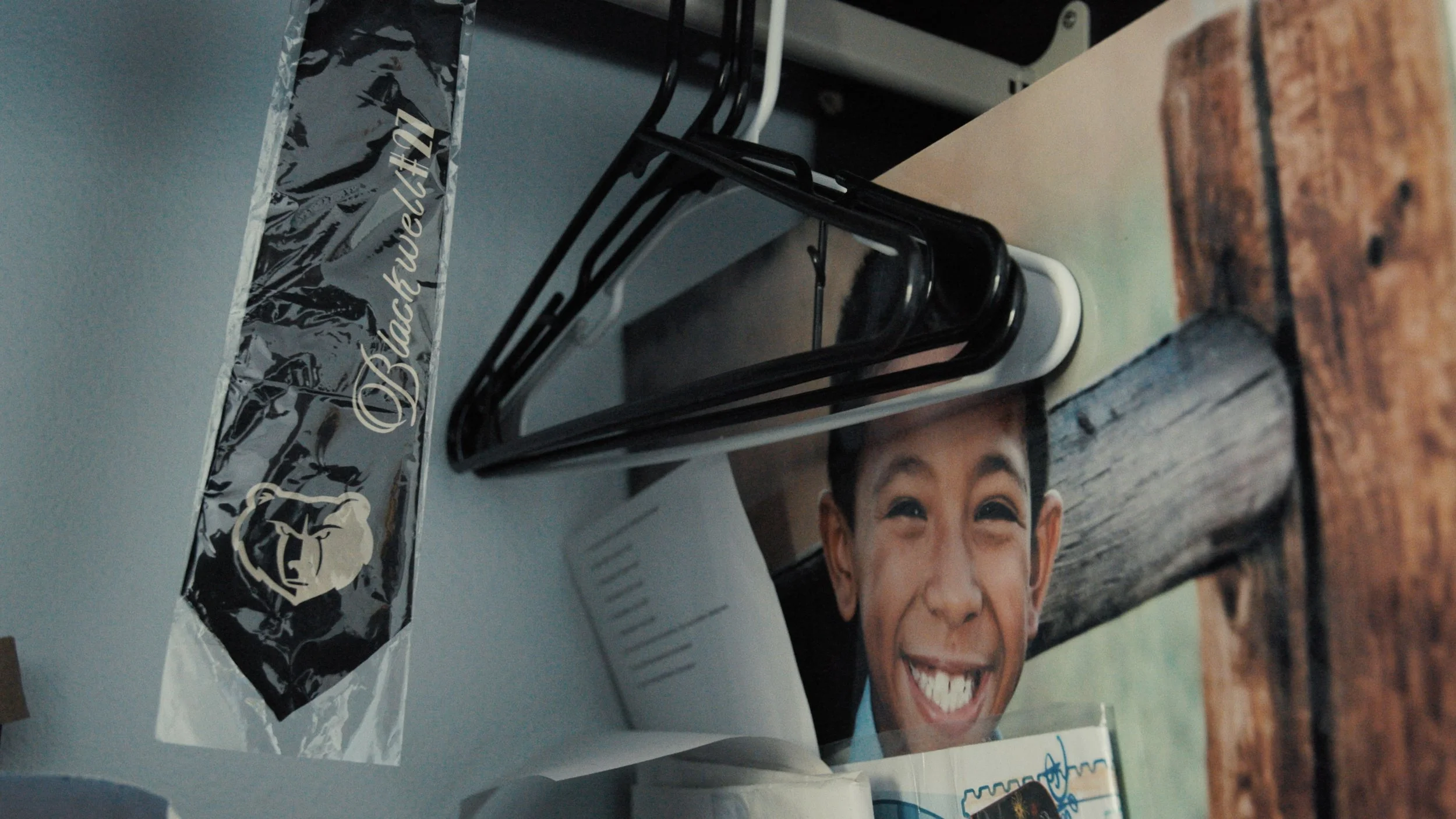
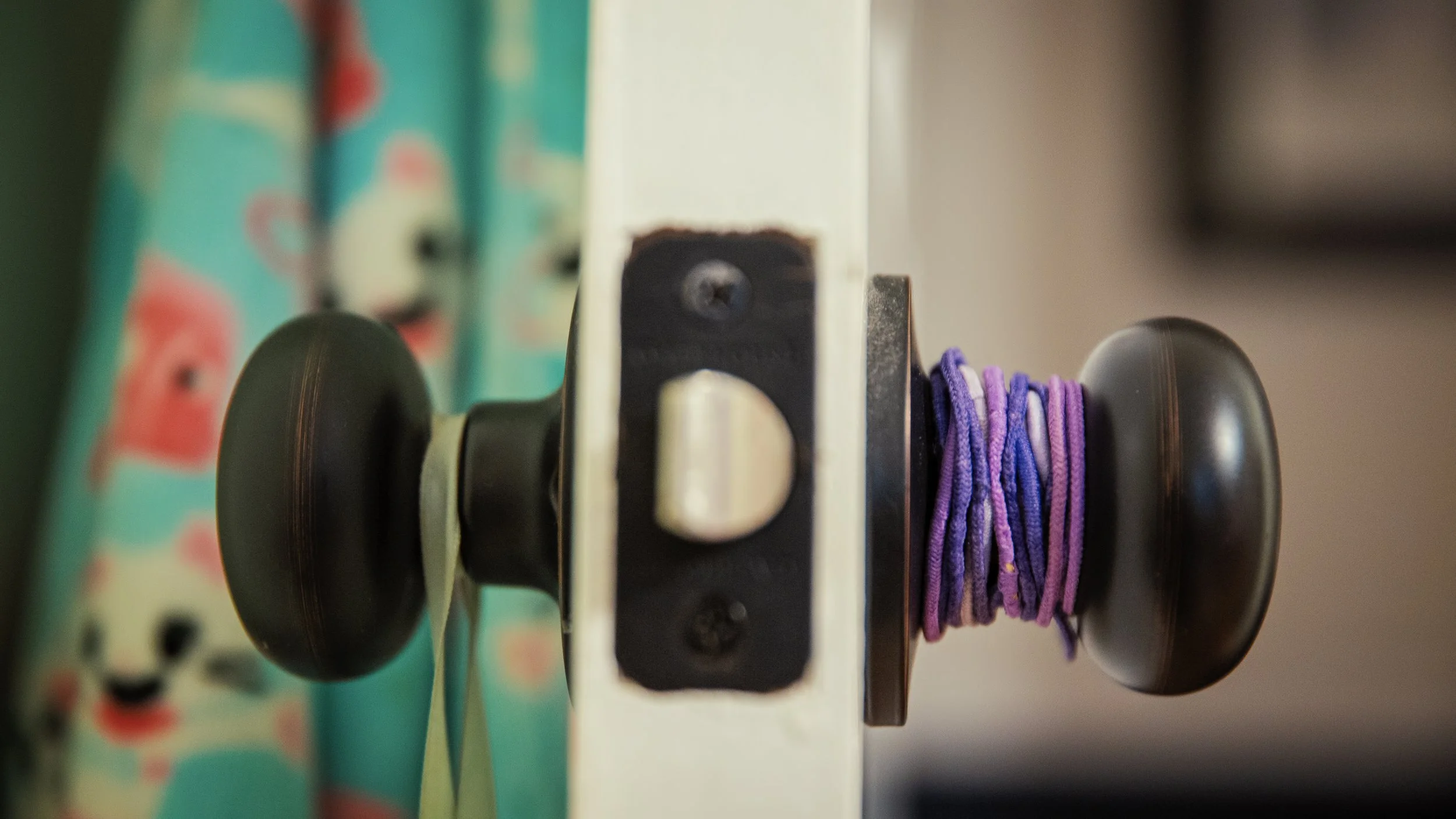
The answer is found in the details: a pair of shoes by the bed, a rumpled comforter, a desk frozen mid-life. These are not objects. They are echoes.
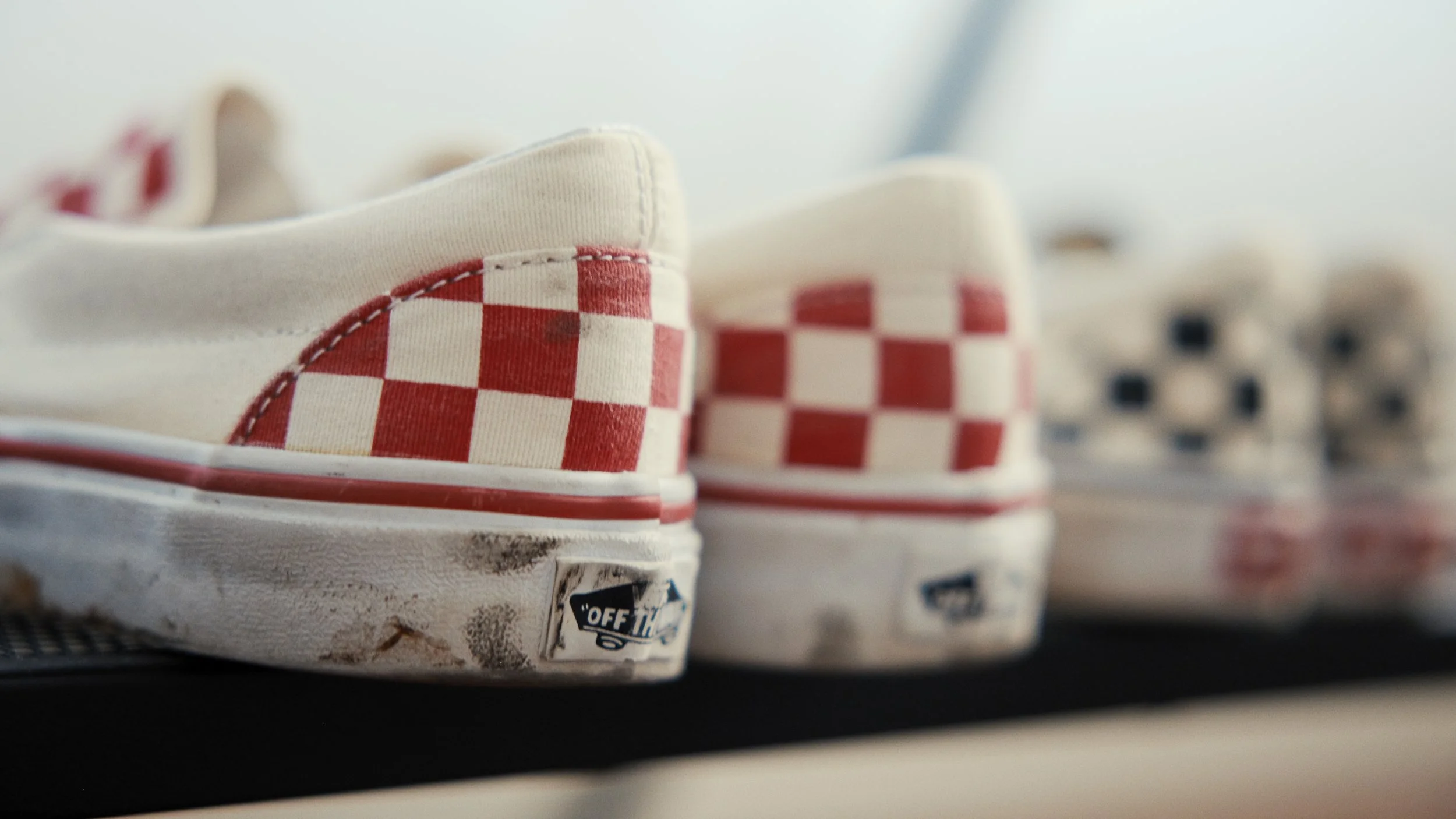
Bopp’s goal was clear: “To try to figure out a way… to capture the essence of a child who wasn’t present.”
Despite the emotional weight, the technical demands were equally intense.
Each room allowed no margin for error.
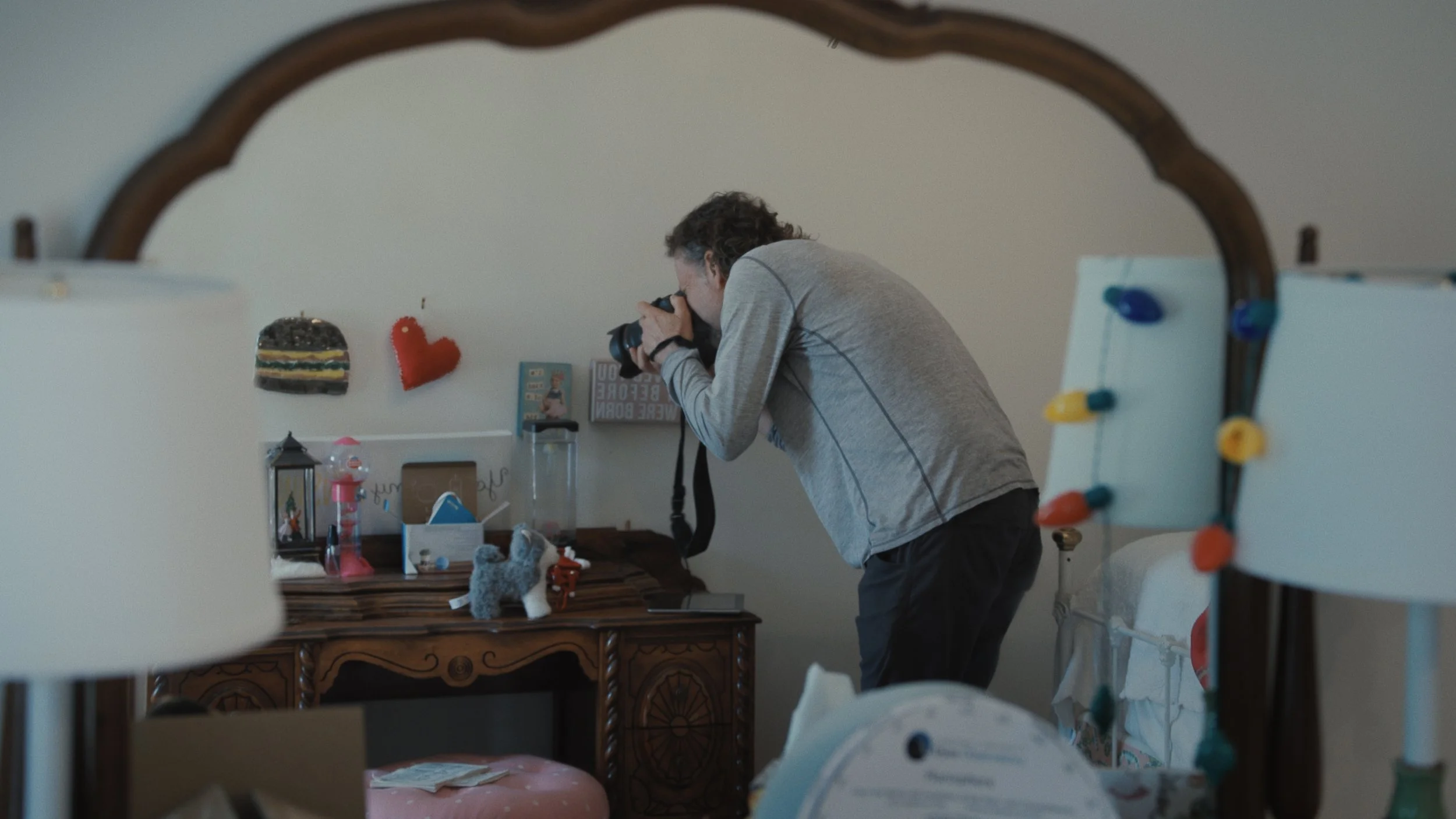
“I know that I have one opportunity to do this,” Bopp says.
“Parents have trusted me… I’m not going to mess it up.”
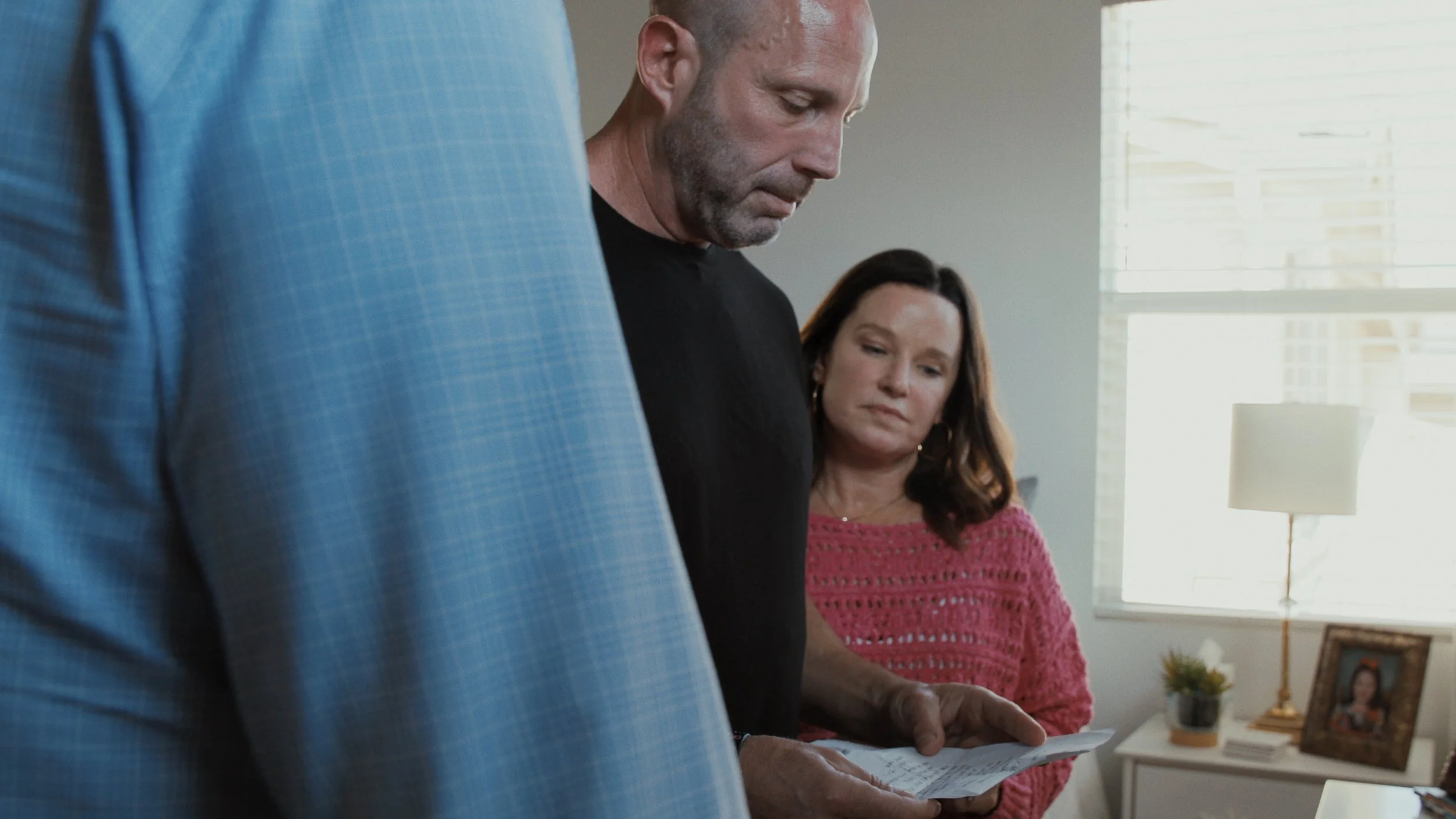
He would shoot thousands of images per room — often up to 2,000 — working quickly in natural light, sometimes at slow shutter speeds, capturing fleeting alignments of shadow and meaning.
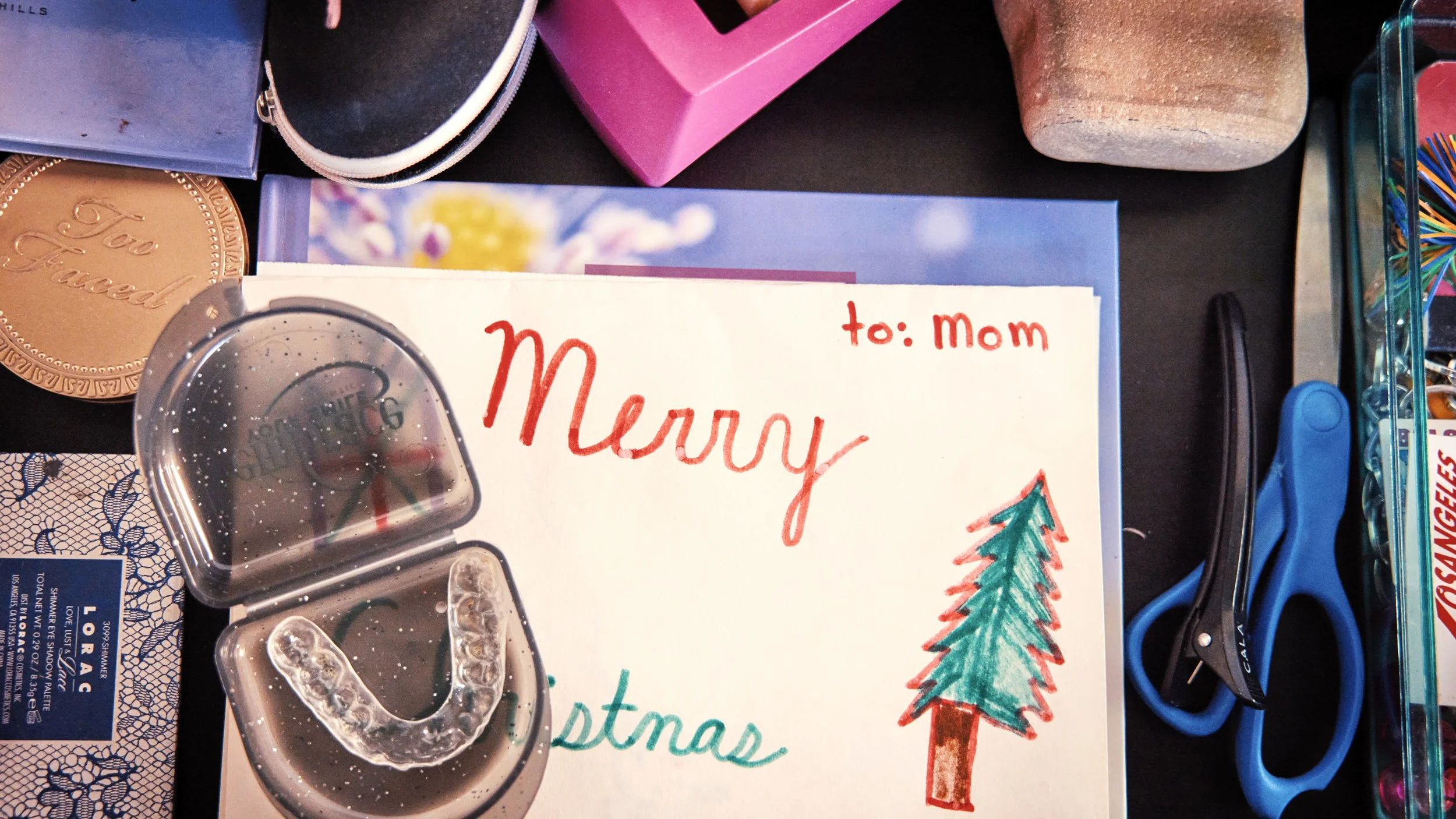
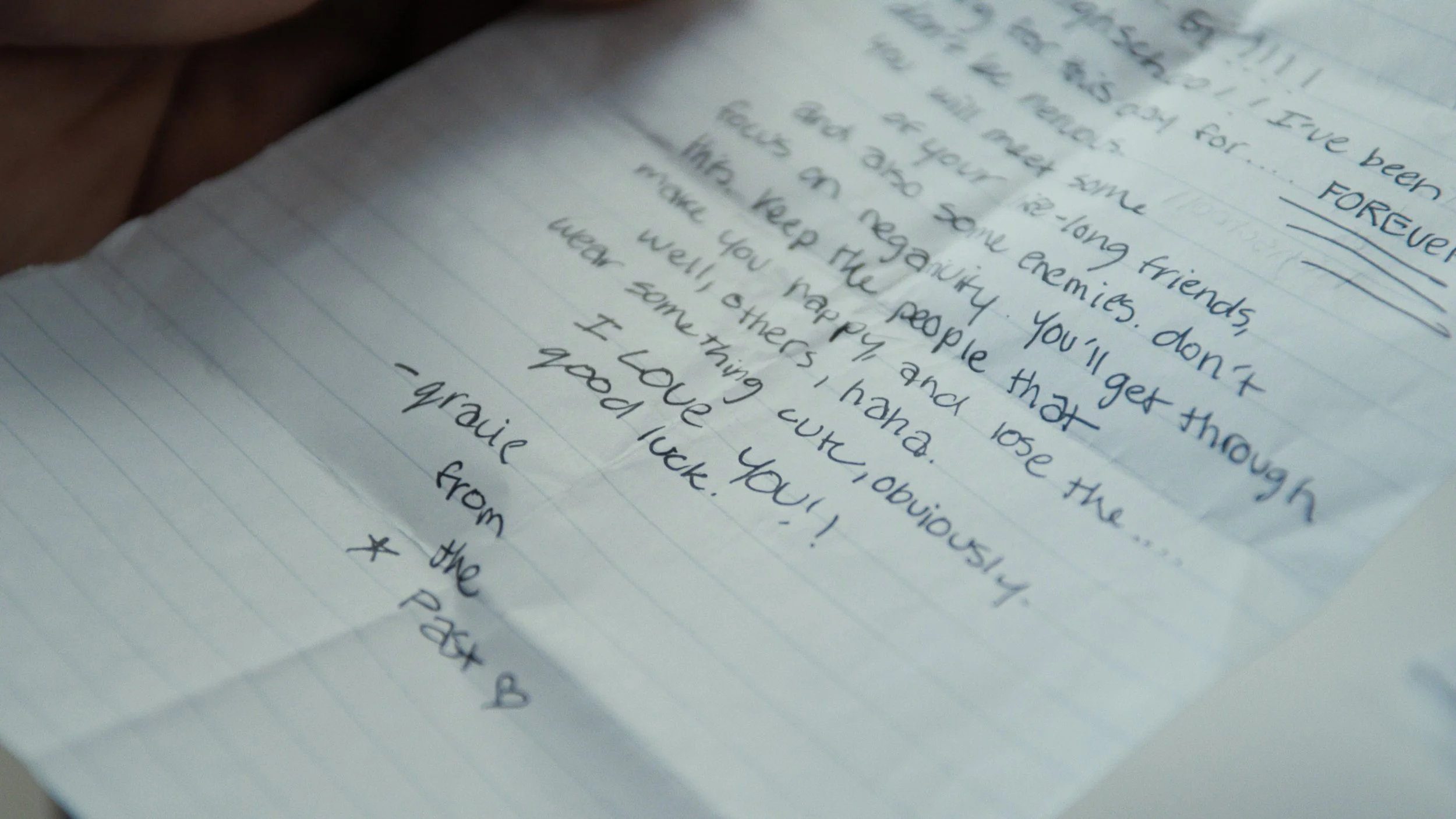
But the goal was never volume.
It was truth.
What began as a photographic project eventually evolved into a film, under the direction of Joshua Seftel.
The transition was organic, almost accidental.
Hartman initially resisted appearing in the film. “It’s not my brand,” Bopp recalls him saying —but Seftel saw something deeper: the photographs weren’t just supporting material.
They were the story.
“The stills are the most poignant,” Bopp says.
Audiences agree.
“I’ve witnessed people walk up to some of the photographs and they can’t look away,” he says. “I’ve seen people cry… People literally walk up and give me a hug.”
For a photographer who prefers anonymity, it has been a profound — and overwhelming —experience.
“I don’t think I’ve ever been so emotional throughout this process,” he admits.
By the time “All the Empty Rooms” reached the Academy Awards, the emotional journey had already peaked many times over.
The nomination itself was intense.
“Another level of emotion,” Bopp says of sharing that moment with the families on Zoom.
But on the day of the ceremony, something surprising happened.
“I was pretty calm,” he says. “At that point, my hands are off the steering wheel.”
Still, he believed in the work.
“I felt like we had the best film,” he says candidly.
When the announcement came, it wasn’t triumph that defined the moment. It was release.
“It was such a relief,” he says.
Because he wasn’t thinking about himself.
“I’m thinking about the families,” he says.
What followed wasn’t a glamorous afterparty; it was something far more human.
“I’ve never seen so many tears… tears of joy,” he says.
At every stage, the project rests on a fragile foundation: access granted through grief.
“The whole process — everybody had to trust everybody,” Bopp explains.
That trust dictated everything from how he entered a room to how he pressed the shutter.
There is no sensationalism in the work. No exploitation. Only care.
And that care is visible in every image.
Despite the global recognition, Bopp remains rooted in St. Louis, a place he says allows him to remain grounded.
“I’ve always wanted to be rather anonymous,” he says. “Fly under the radar behind the camera.”
That instinct to stay out of the spotlight feels almost radical in an era of personal branding.
But it also explains the work.
Because to photograph absence, the photographer must disappear.
Long after the Oscar glow fades, “All the Empty Rooms” will endure for a different reason.
Not because it won.
But because it matters.
A bed that will never be slept in again.
A desk waiting for homework that will never come.
A life suspended in objects left exactly where they were.
Lou Bopp did not photograph tragedy.
He photographed what comes after.
And in doing so, he created something rare: images that do not simply shows us loss — but makes us feel it.
Quietly. Permanently. Unavoidably.