
A New Bold Aria for the American Stage
Opera Theatre of Saint Louis’ 2026 Season and the Vision of Patricia Racette
by Craig Kaminer
On a late-spring evening in St. Louis, the walk toward the Loretto-Hilton Center feels ceremonial. The brick paths are familiar, the trees heavy with leaves, yet there’s a hum beneath the surface — the sense that something is shifting. Opera Theatre of Saint Louis is entering its next chapter and for the first time in its five-decade history, that chapter will be authored by a woman who has spent her life on the most demanding stages in the world, listening as much as she has sung.
Patricia Racette officially assumed the role of Artistic Director last fall, and the 2026 Festival Season already bears her unmistakable imprint: bold without being brash, welcoming without being diluted and unafraid of emotional truth. It is a season that signals continuity and change — and Racette is clear-eyed about the responsibility that comes with that balance.
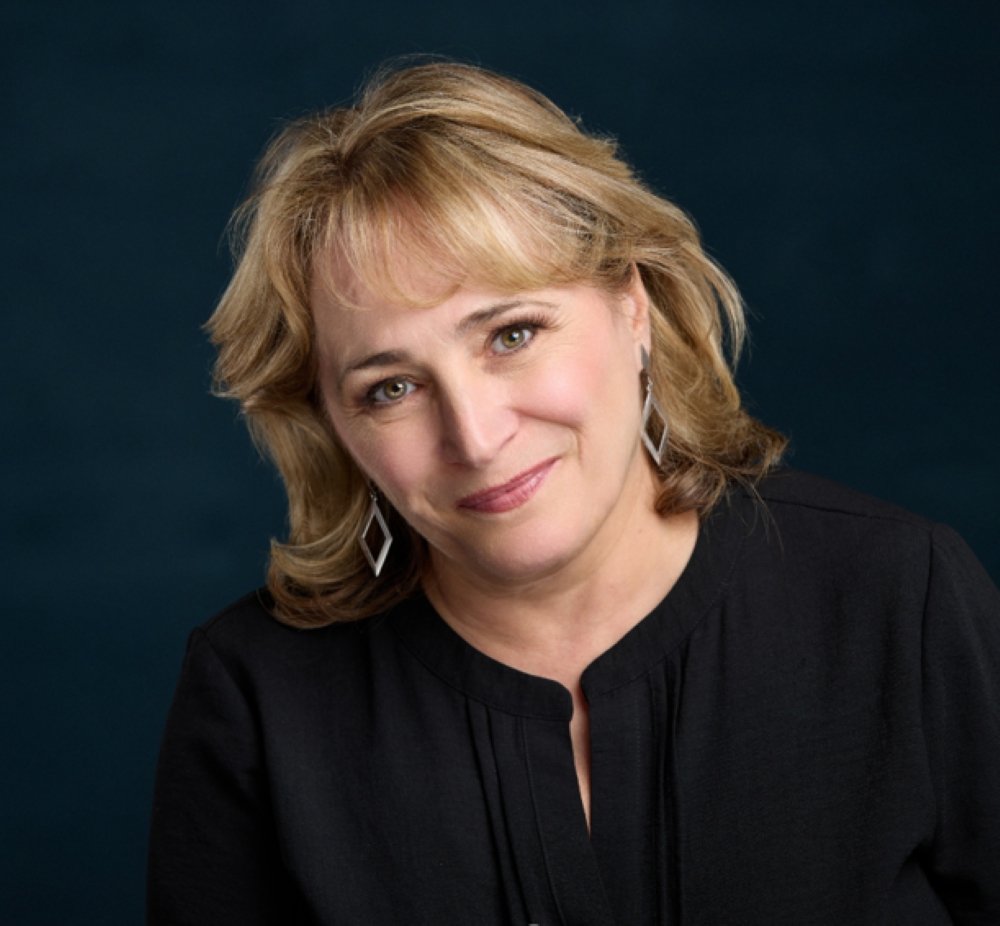
Opera Theatre of Saint Louis Artistic Director Patricia Racette / photo by Eric Woolsey
“Every artistic director inherits an organization, an institution and an audience,” she says. “Those audiences have habits and expectations. I don’t see this role as one of territorial authority, but one of service — to the art form, to the artists who bring it to life and to the audiences whose curiosity and trust sustain it.”
It is a telling choice of words: service, not control. Stewardship, not disruption for disruption’s sake.
Racette is not arriving as an outsider. For six years, she has been embedded in the fabric of Opera Theatre of Saint Louis (OTSL), first as Artistic Director of the Young Artist Program — one of the most respected incubators of operatic talent in the country. She knows the patrons, the board, the artists and the rhythms of the company intimately.
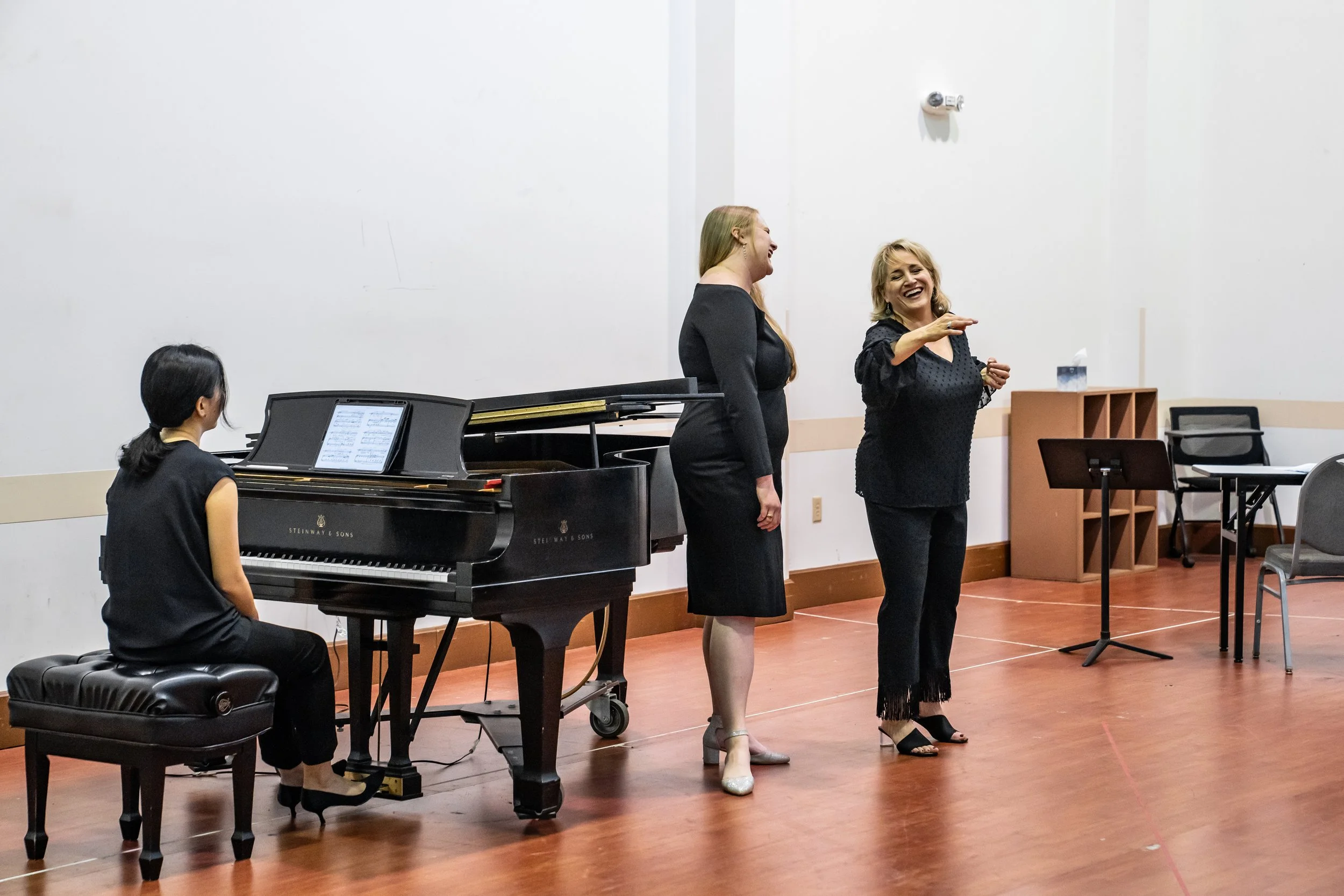
Young Artist Master Class with Patricia Racette, 2023. Photo by Eric Woolsey.
“That puts me at an advantage,” she acknowledges. “I understand the pulse of the company. There’s a lot that OTSL does extraordinarily well. I’m in stewardship of an institution with a strong artistic legacy, a devoted audience and a vital role in the cultural life of its community.”
Which is why the shifts she’s proposing are evolutionary, not incendiary. The most visible of those shifts is repertoire — specifically, a broader embrace of cross-genre works that live at the intersection of opera, musical theater and American drama.
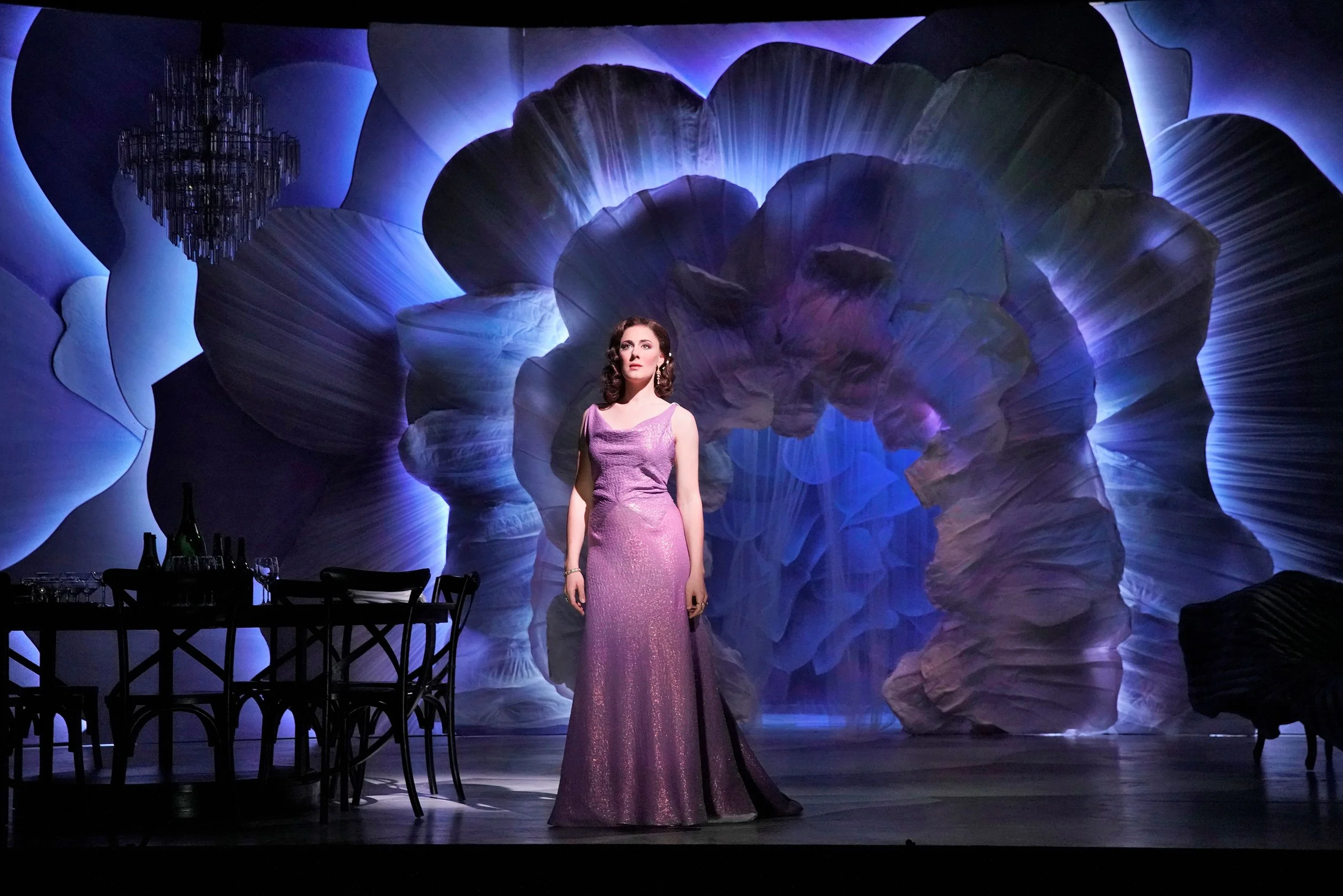
La traviata, directed by Patricia Racette at Opera Theatre of Saint Louis, 2018. Photo by Eric Woolsey.
“I think the art forms are closer than we sometimes imagine,” Racette says. “And they offer another opportunity to experience the theatrical and musical aspects of storytelling. My own beginning came through a cross-genre appreciation as a young singer. This doesn’t subtract from opera — it adds to it.”
That philosophy is written clearly into the 2026 season.
Running May 23 through June 28, 2026, the festival unfolds as a carefully composed arc rather than a grab bag of titles. It opens with joy and wit, ventures into intimacy and vulnerability and closes with timeless romantic tragedy.

The Pirates of Penzance launches the season with irrepressible humor — a reminder that accessibility and sophistication are not opposites. Gilbert and Sullivan’s beloved operetta returns under the baton of Darryl Archibald, offering a buoyant entry point for new audiences and a cherished reunion for longtime patrons.
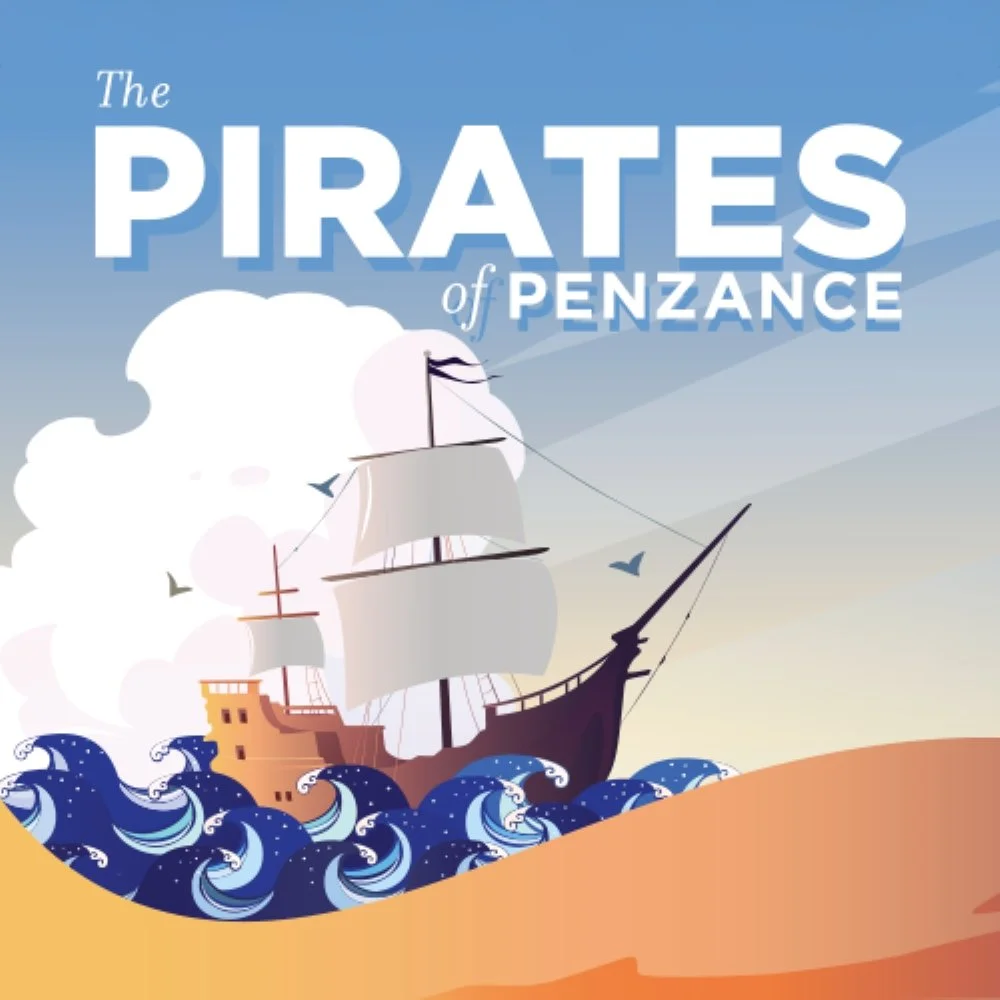
Saturday, May 23 - Saturday, June 27 / Photo courtesy of Opera Theatre Saint Louis
Then comes The Light in the Piazza, Adam Guettel’s luminous, emotionally searching work — a choice that encapsulates Racette’s cross-genre convictions.
“Piazza is far more operatically demanding than people expect,” she explains. “Guettel’s score is classically influenced, vocally sophisticated and it demands finesse. It’s actually a very natural fit for what we do at Opera Theatre of Saint Louis.”
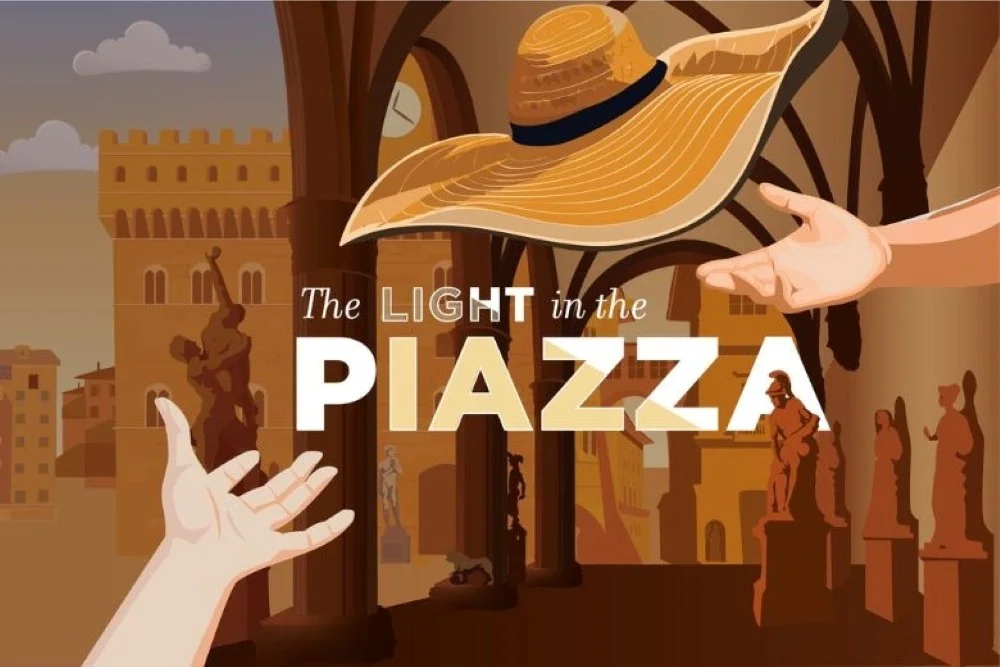
Saturday, May 30 - Sunday, June 28 / Photo courtesy of Opera Theatre Saint Louis
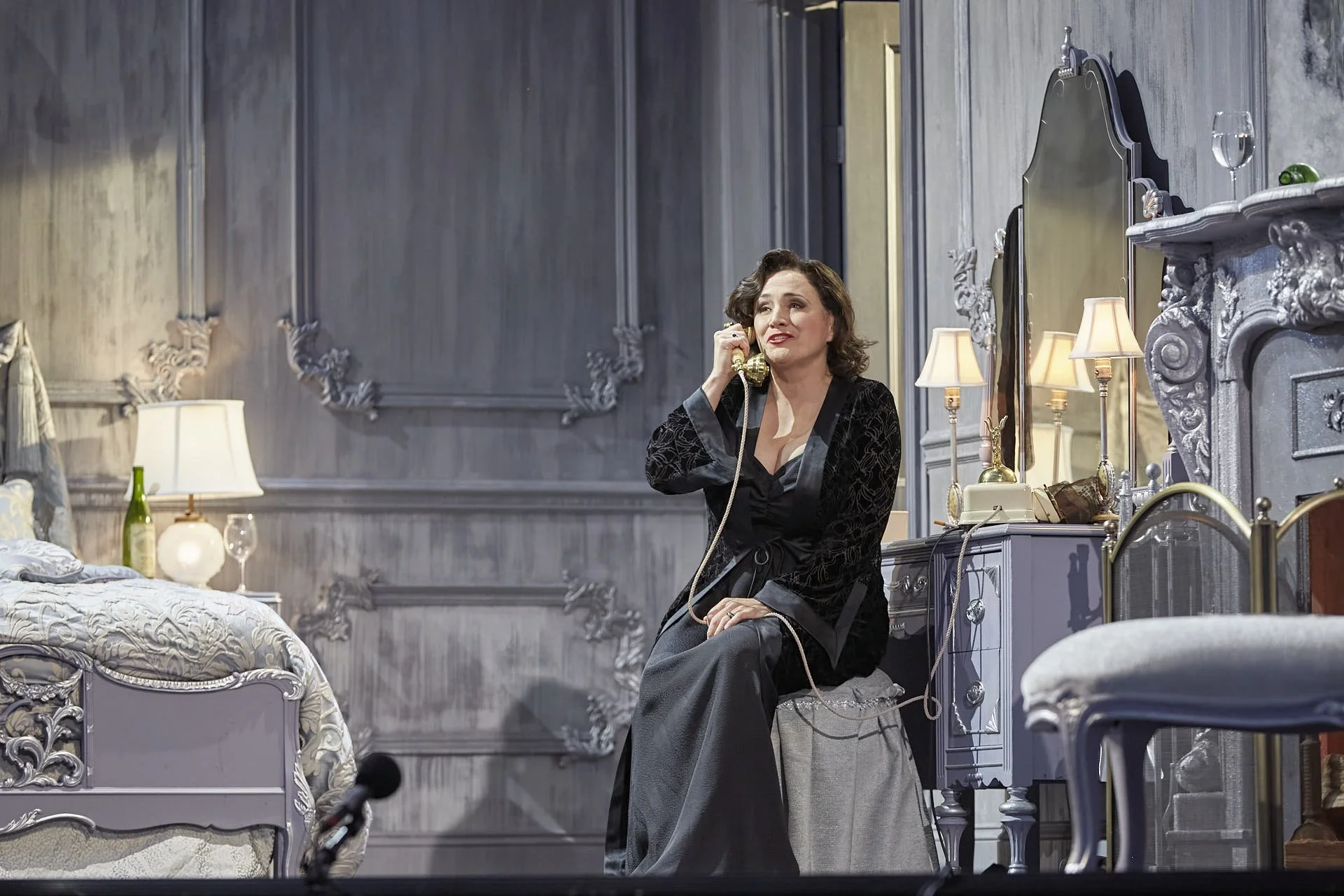
That same instinct — toward works that live between categories — reaches its apex in André Previn’s A Streetcar Named Desire, which Racette will direct herself.
“This piece sits right at the intersection of great American theater and contemporary opera,” she says. “It demands the highest musical discipline, but it also requires performers to engage head-on with emotional vulnerability and physical realism.”
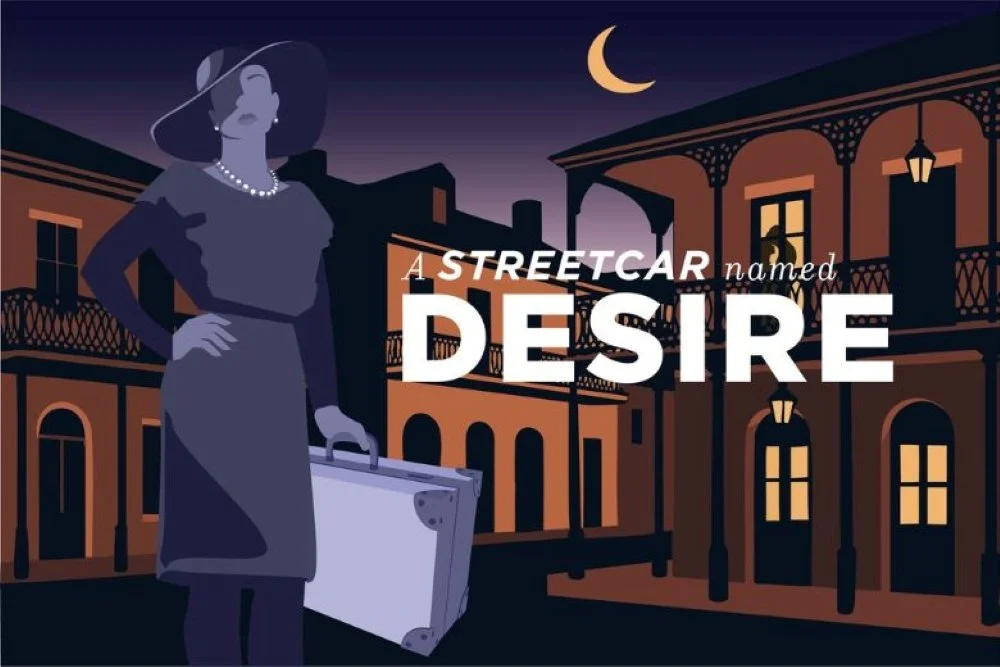
Sunday, June 7 - Friday, June 26 / Photo courtesy of Opera Theatre Saint Louis
She doesn’t shy away from the discomfort embedded in the work — nor does she believe opera should.
“I’ve been quoted as saying it and I’ll say it again: I don’t like polite opera,” Racette says. “Opera needs to reflect what we actually experience as human beings — our joy, our pain, our lust, our rage. It’s okay to be uncomfortable. Art should be truthful. It shouldn’t whitewash.”
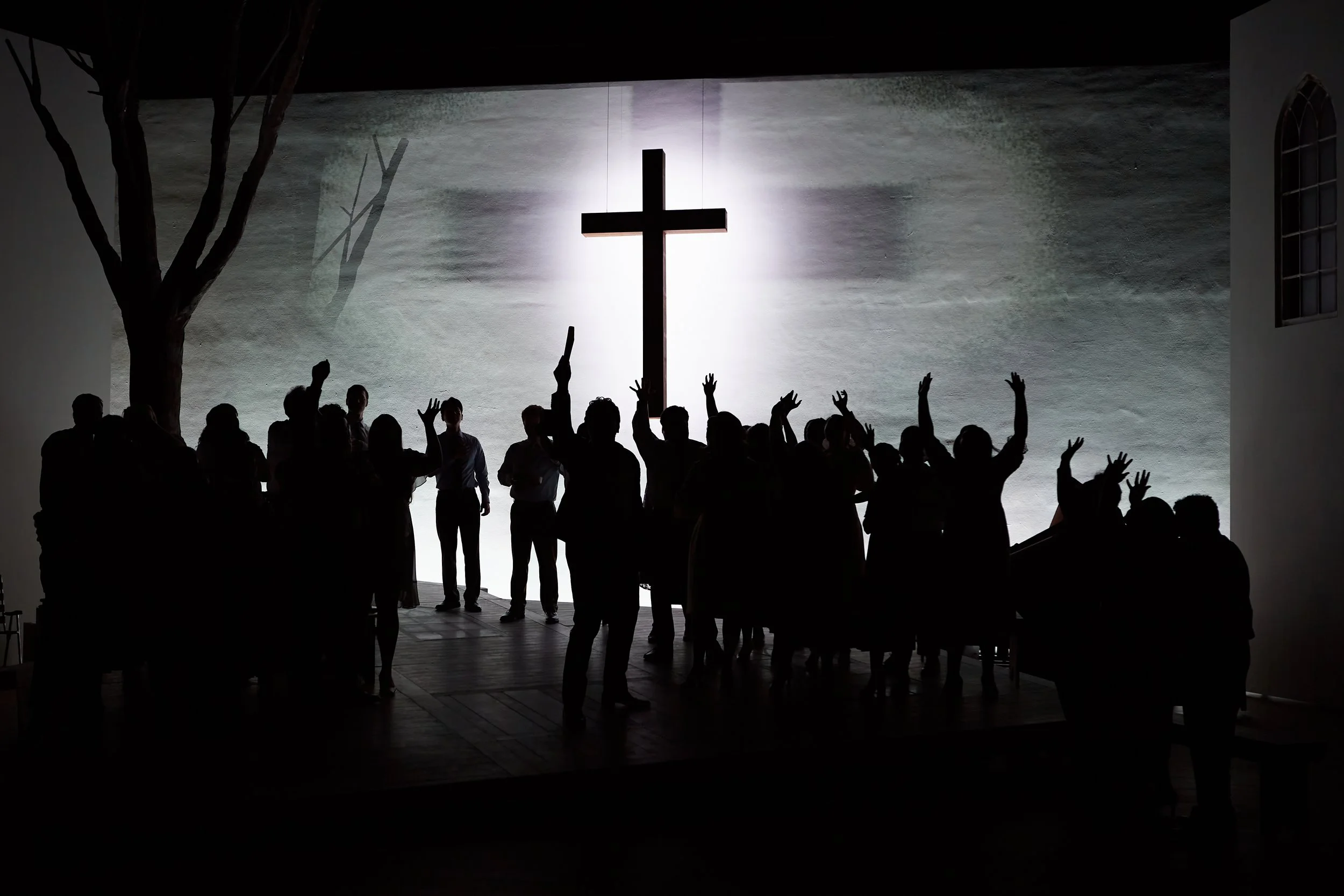
The season closes with Gounod’s Romeo and Juliet — lush, romantic and newly imagined with a modern scenic approach paired with Robert Perdziola’s celebrated costumes. It is, in Racette’s words, part of a “balanced diet.”
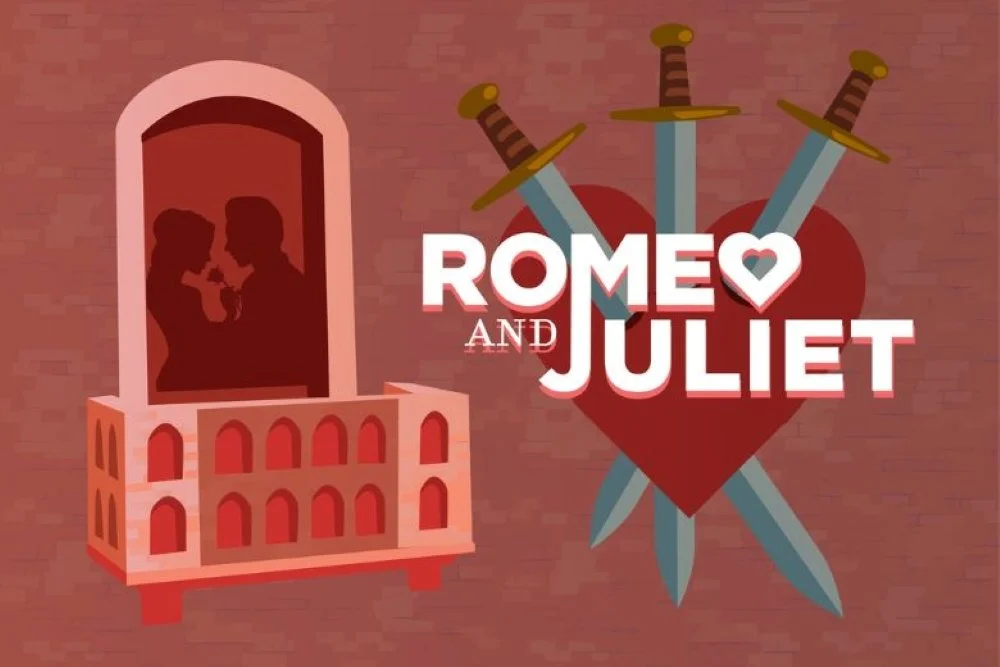
Saturday, June 13 - Sunday, June 27 / Photo courtesy of Opera Theatre Saint Louis
“I want variety — emotionally, musically, stylistically,” she says. “We really hit that this year.”
Racette’s programming philosophy extends beyond titles. It encompasses casting, creative teams and the way stories are framed.
“My job is to make sure opera thrives,” she says. “To treat it as a living, responsive art form — one that honors the past while remaining open to evolution, dialogue and imagination.”
That sensibility is informed by a career spanning nearly four decades on the world’s great stages — from the Metropolitan Opera to La Scala — and by her experience on the other side of the curtain.
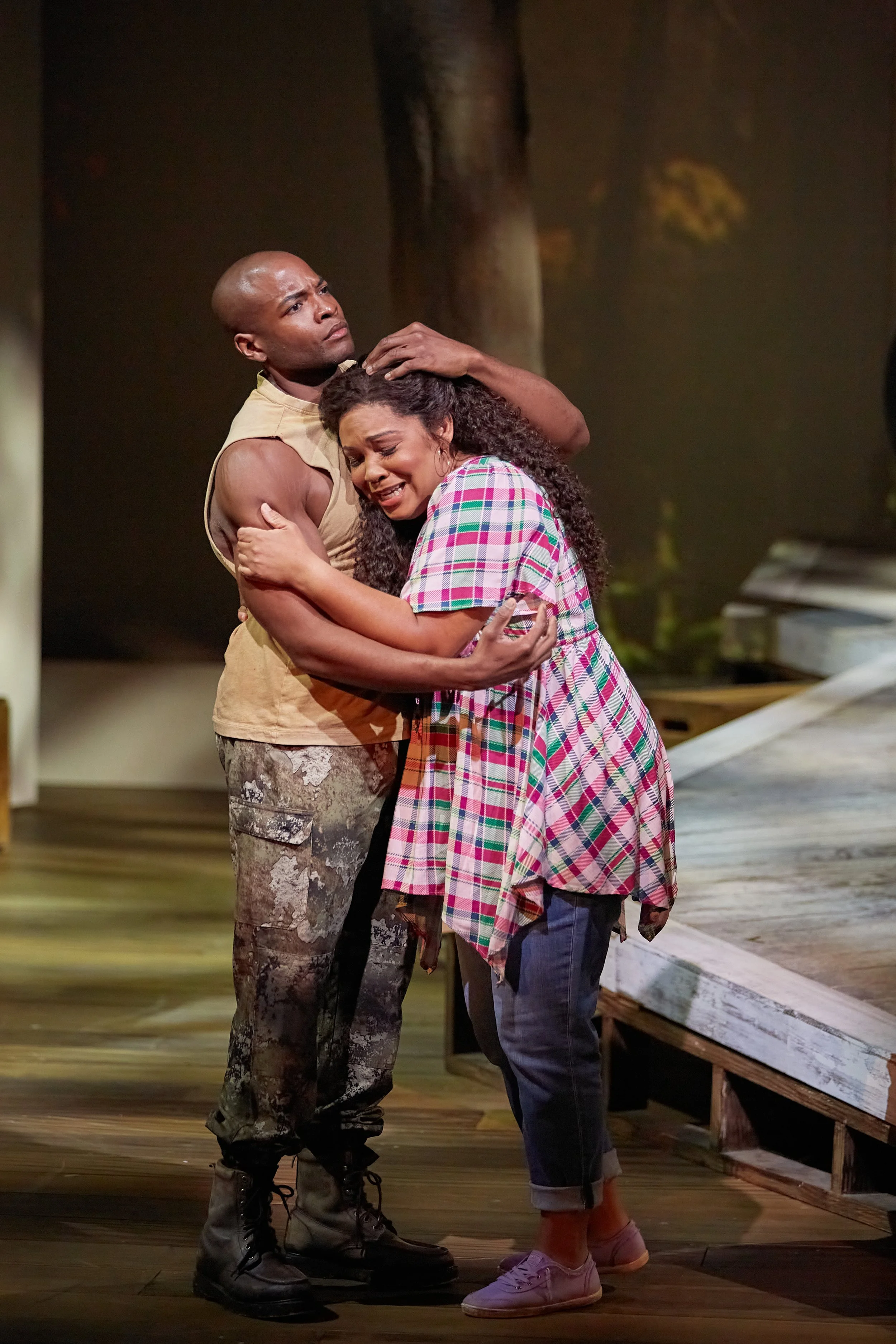
“I bring an intricate knowledge of what it is to be a singing actor,” she says. “Of what it takes to work with a conductor, to collaborate with a director, to shape a performance,” she says. “I’ve lived that reality for 37 years and now I get to apply it in a very specific way.”
It also informs her commitment to artists at every stage of their careers.
“I want OTSL to be a place artists return to — not just for opportunity, but for trust, collaboration and growth,” she says. “And I’m just as passionate about the next generation as I ever was running the Young Artist Program.”
Ask Racette who opera still struggles to reach and she doesn’t hesitate.
“Accessibility and perception are huge challenges,” she says. “There are still plenty of people who don’t actually know what opera is.”
She recounts overhearing someone dismiss opera as “just screaming” and laughs — gently — at the persistence of stereotypes.
“That’s not the opera I believe in,” she says. “And it’s not the opera I intend to cultivate.”
She’s especially focused on younger audiences — not by dumbing down the work, but by telling the truth.
“You don’t need to be an ‘opera person’ to go to the opera,” Racette says. “Sometimes people say, ‘That’s not for me.’ Well — maybe it is. Maybe you’ve just never tried it.”
When the season ends and the theater empties, how will Racette know she’s succeeded?
“It’s audience response,” she says simply. “Feeling it in the room. Seeing how people react to a moment.”
But it’s also long-term.
“I want deeper relationships — with audiences, with artists, with the community,” she says. “Opera is incredibly complex, like no other art form. If we’re reaching people through that complexity, then we’re doing something right.”
As Opera Theatre of Saint Louis enters its next era, Racette’s vision feels neither nostalgic nor reactionary. It feels grounded, muscular and deeply human — a commitment to opera not as a museum piece but as a living conversation.
And in a cultural moment that often rewards the safe and the polite, that may be the boldest aria of all.