A Family Heirloom
By Grayling Holmes | Photos by Zach Dalin
In 1968, Richard Nixon won the election for U.S. President. The Cardinals won the National League pennant. The Gateway Arch was officially dedicated. And Al’s Restaurant began its ascent into the rarefied air of luxury dining from its origins as a welcoming tavern serving egg sandwiches.
Then, women arrived at 1200 North First Street at Biddle on the riverfront dressed to the nines and men wore dark wool suits, starched white shirts and neatly knotted ties. It was a time when fine dining meant exactly that — fine dining: formal, exacting service, curated menus and an atmosphere of quiet elegance. Al’s has long checked every box.
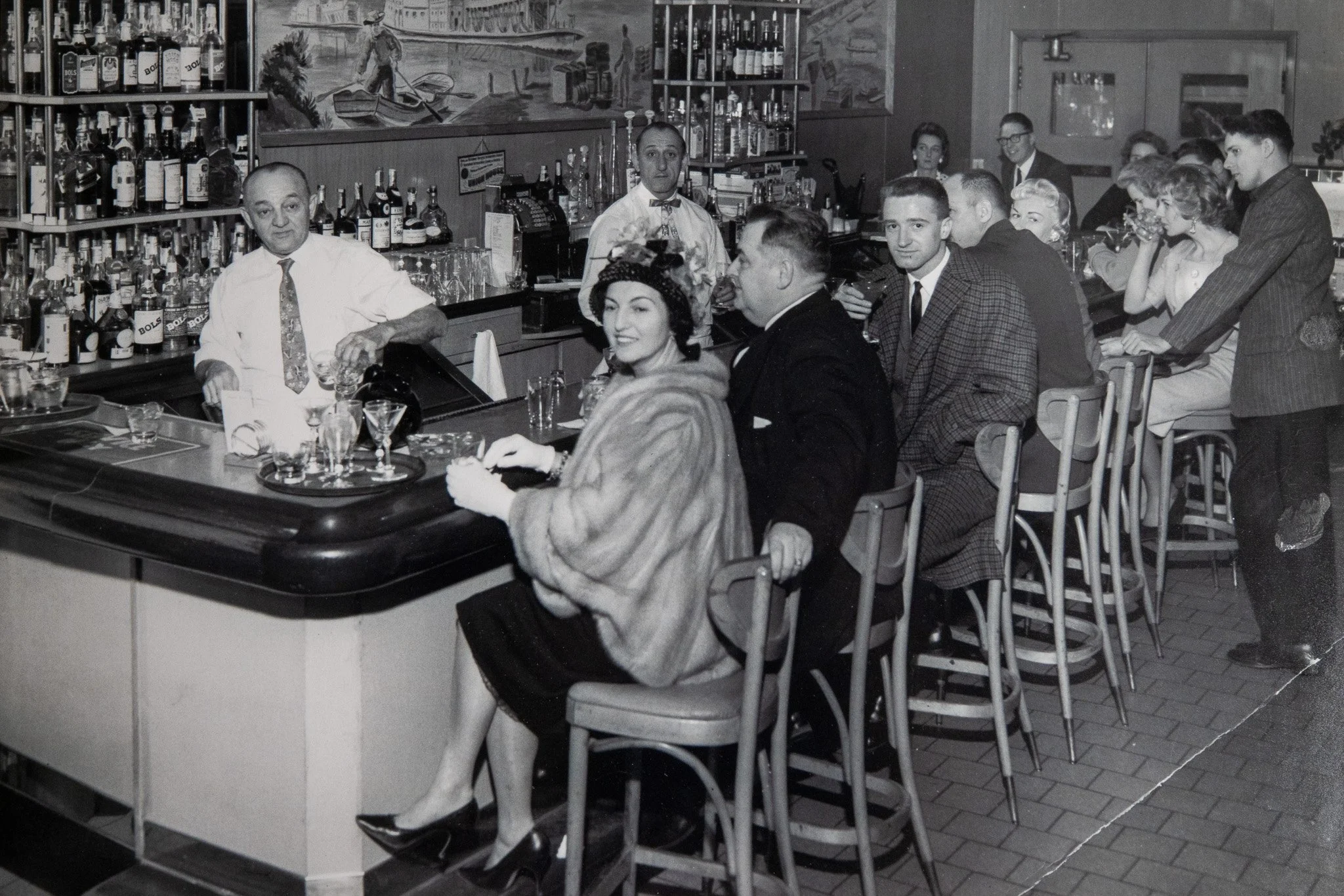
Women dressed to the nines, sometimes in mink stoles, sat in the bar at Al’s alongside men wearing dark wool suits, starched white shirts and neatly knotted ties in the 1960s after the transition to upscale dining.
In 2026, the world has changed. Al’s has not.
The décor remains. The ambiance endures. Most importantly, the food holds fast to its traditions.
The building that now houses Al’s was constructed in the early 1870s as a warehouse for Julius Vogel’s Sugar House Exchange. Later, it became a saloon.
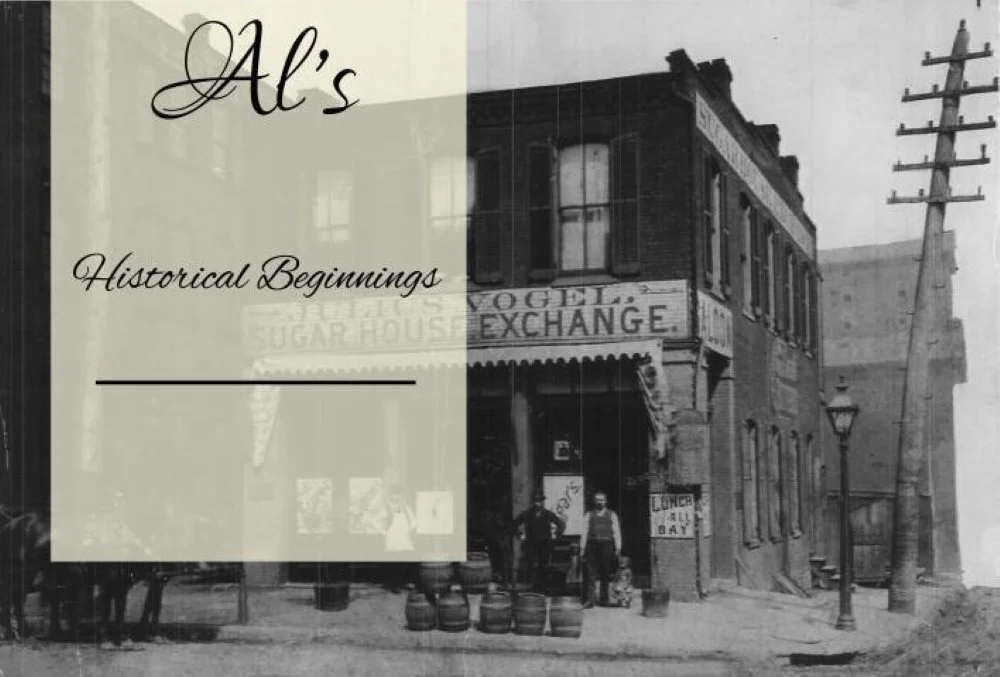
photo provided by Al’s Restaurant
In 1925, Italian immigrant Al Barroni purchased the property. Though women could not own property at the time, it was his wife, Louise, who urged him forward — and ultimately shaped the business. While Al continued working as a soda truck driver, Louise ran the establishment for four decades.
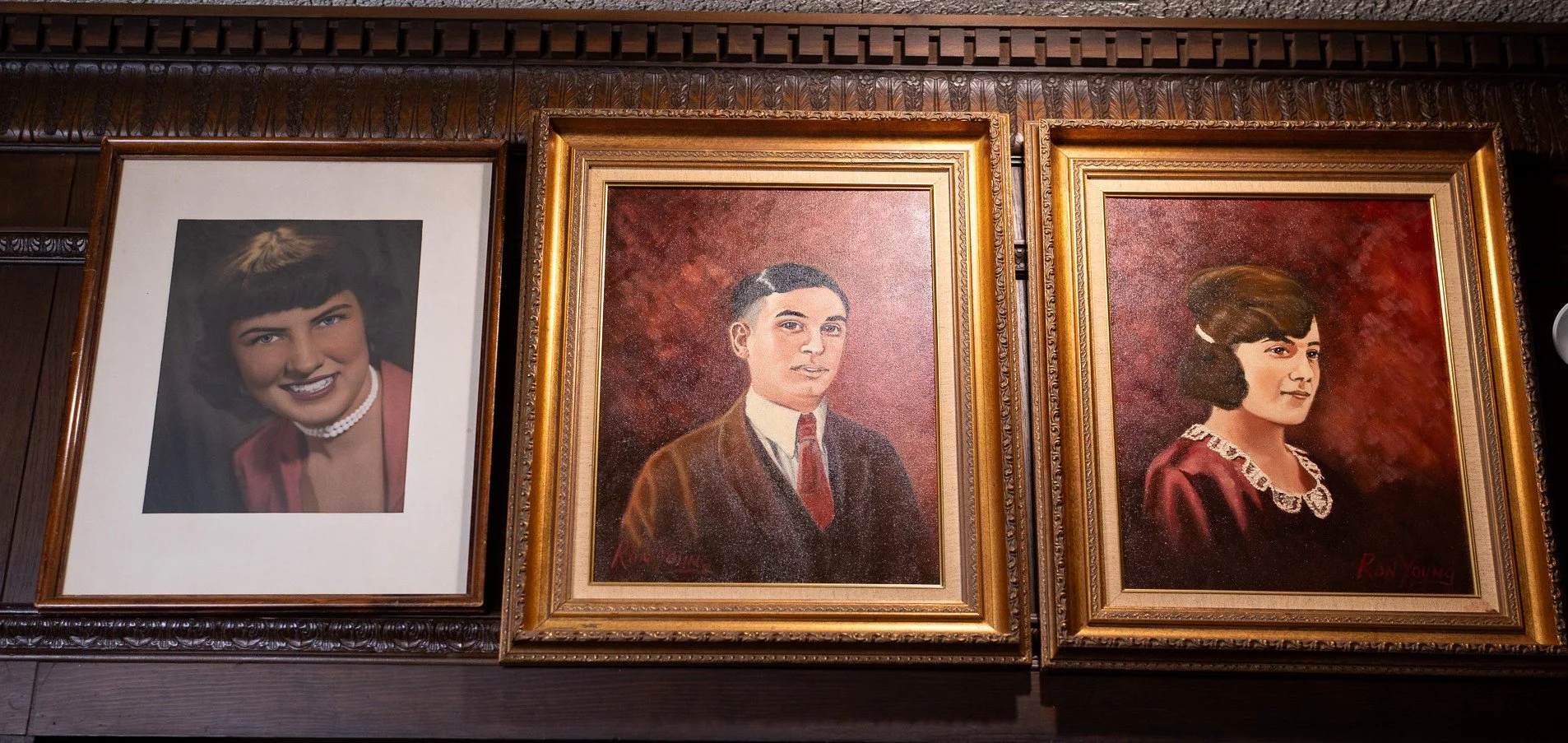
The framed portrait of Ann Barroni, mother of current owner Pam (Barroni) Neal, hangs next to her father Al Barroni and mother Louise Barroni on the archway in dining room.
“As I recall, my grandmother Louise invited folks into the tavern kitchen for her egg sandwiches,” said Pam Barroni Neal, the current owner along with her husband, Gary Neal. “Word spread up and down the docks and railroad tracks — and Al’s was born.”
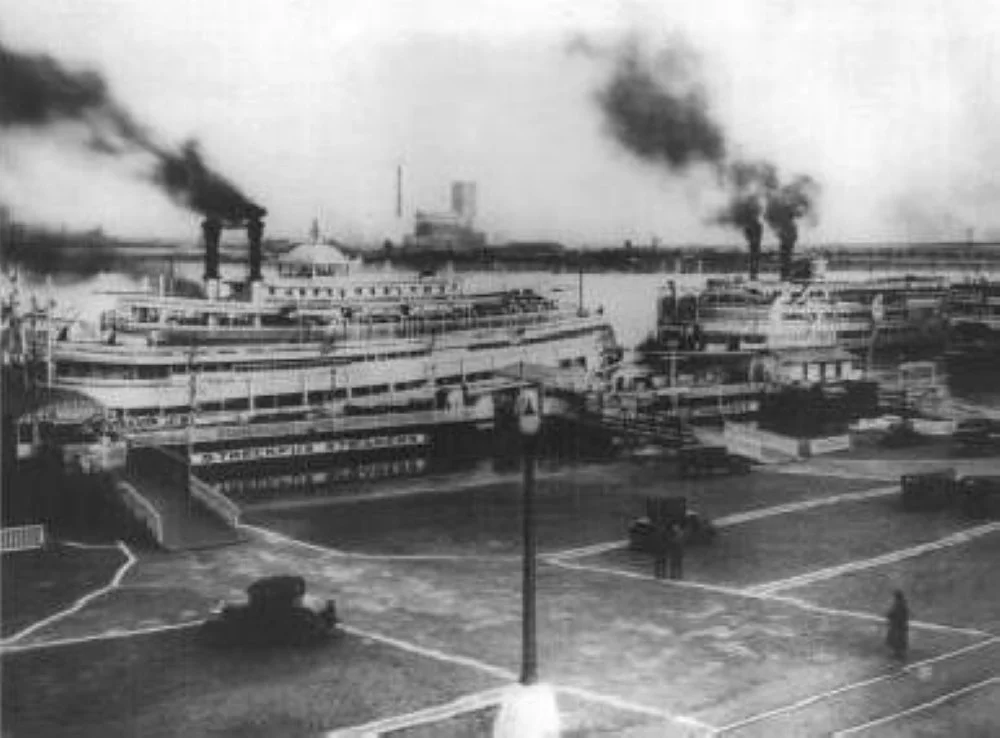
The St. Louis Riverfront in 1909 when Al’s became popular with the dockworkers along the Mississippi. / photo courtesy of Al’s Restaurant
Those sandwiches became legend. Lines stretched down the block — dockworkers, businessmen and travelers standing shoulder to shoulder. Rail workers, porters and bellmen arrived from nearby tracks. Through the decades of transformation, Al’s has remained in the same location, continuously family owned. No other local restaurant can claim still being family run after a century.
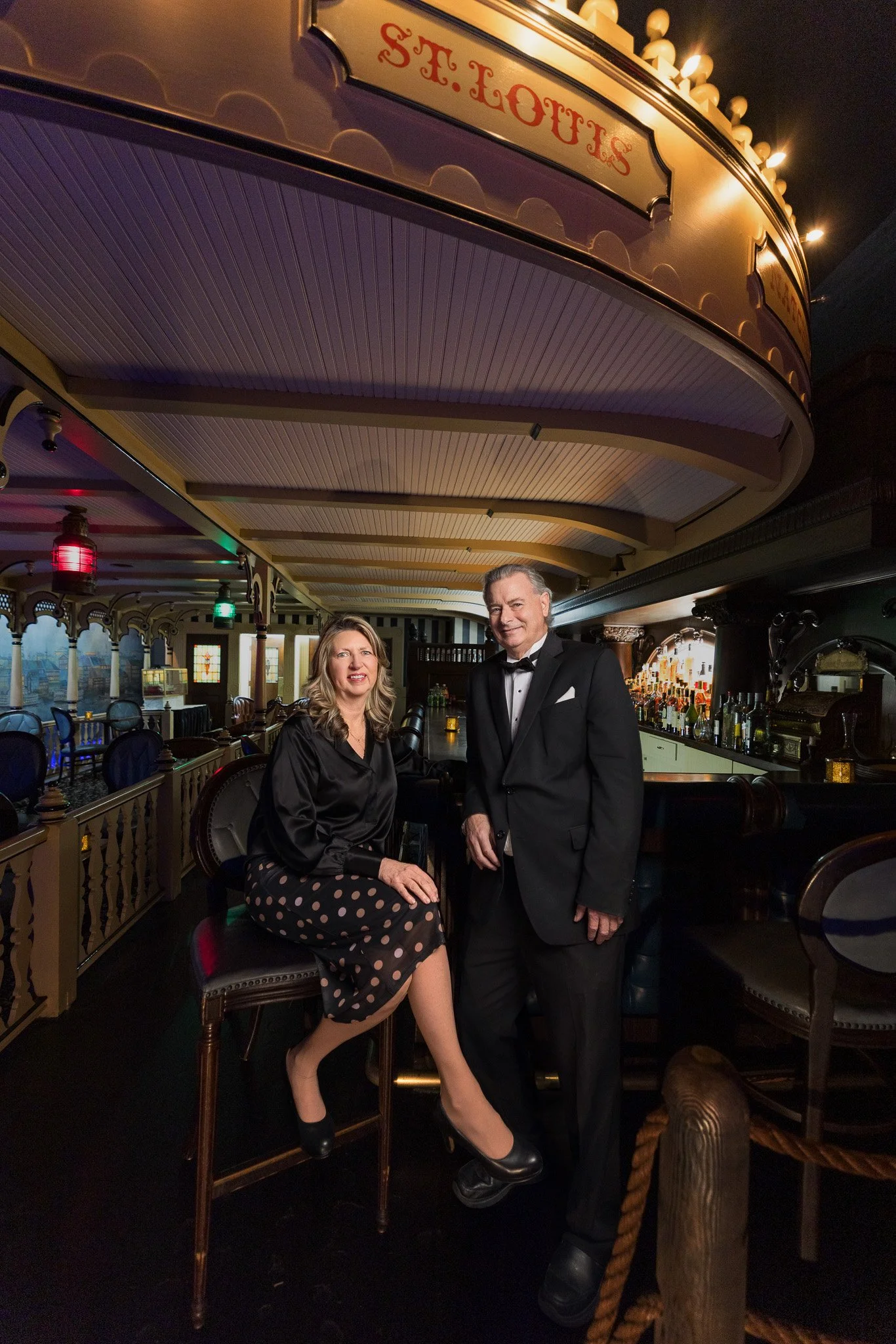
Al’s Restaurant owner Pam (Barroni) Neal and husband Gary Neal
Time, of course, has softened certain traditions. Formal dress is no longer required, though standards remain. “I draw the line at shorts and flip-flops,” Pam says. “Business casual is acceptable.”
The Barroni family and Al’s has weathered more than shifting fashion. They endured the Great Depression, a devastating fire from the building behind that fell on Al’s and sheared off the second floor and even the threat of redevelopment along the riverfront.
Al’s celebrated its 100 year anniversary in 2025.
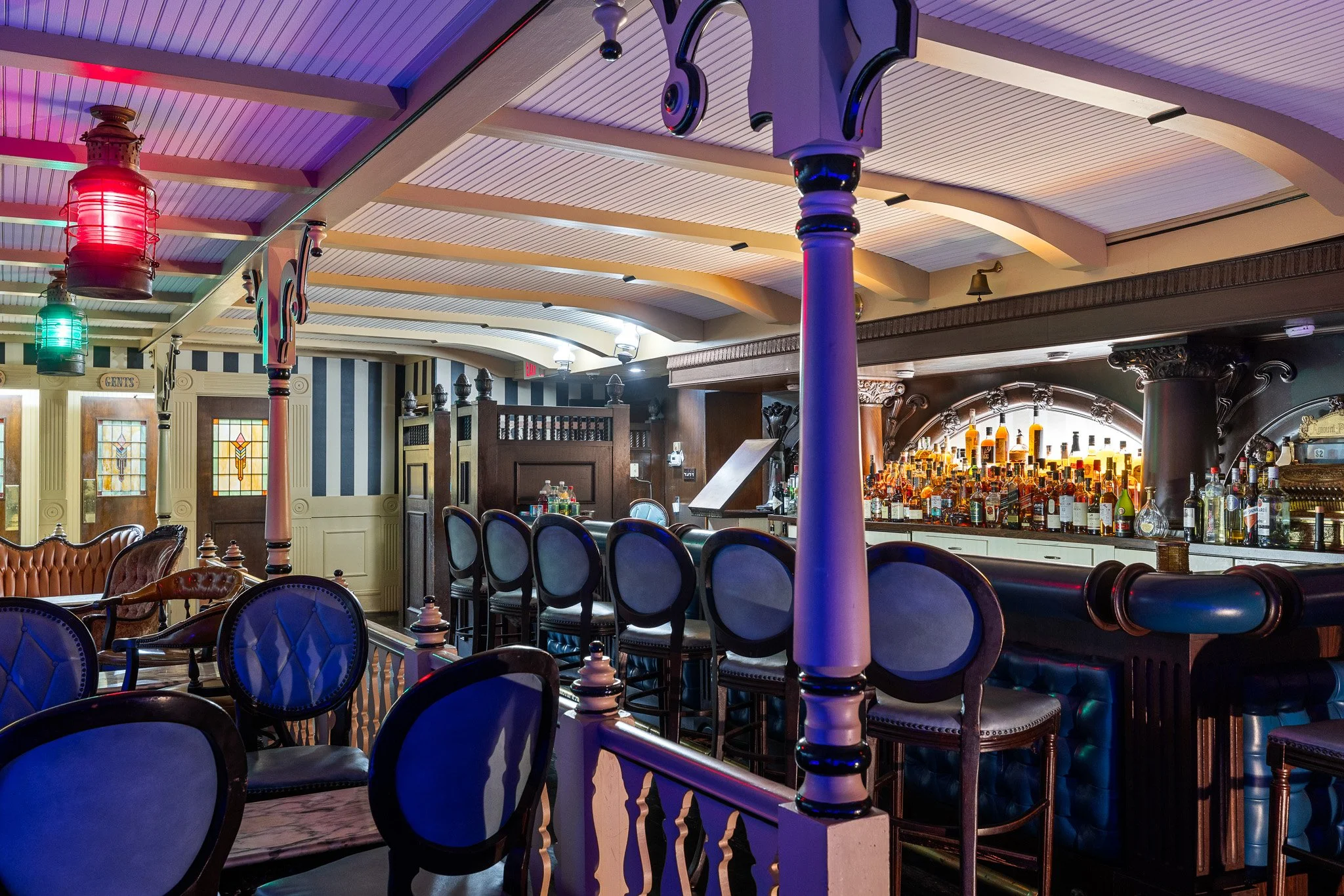
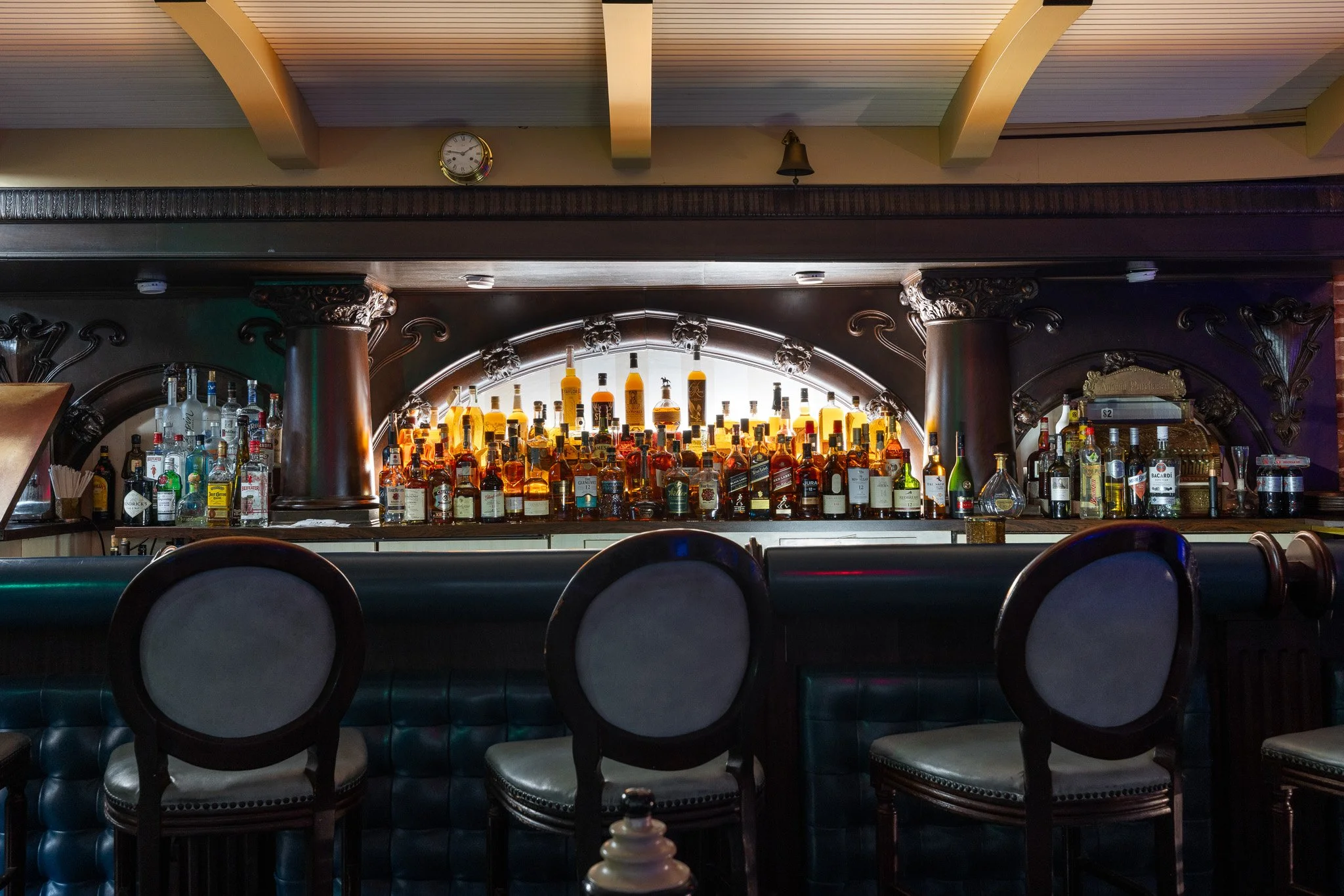
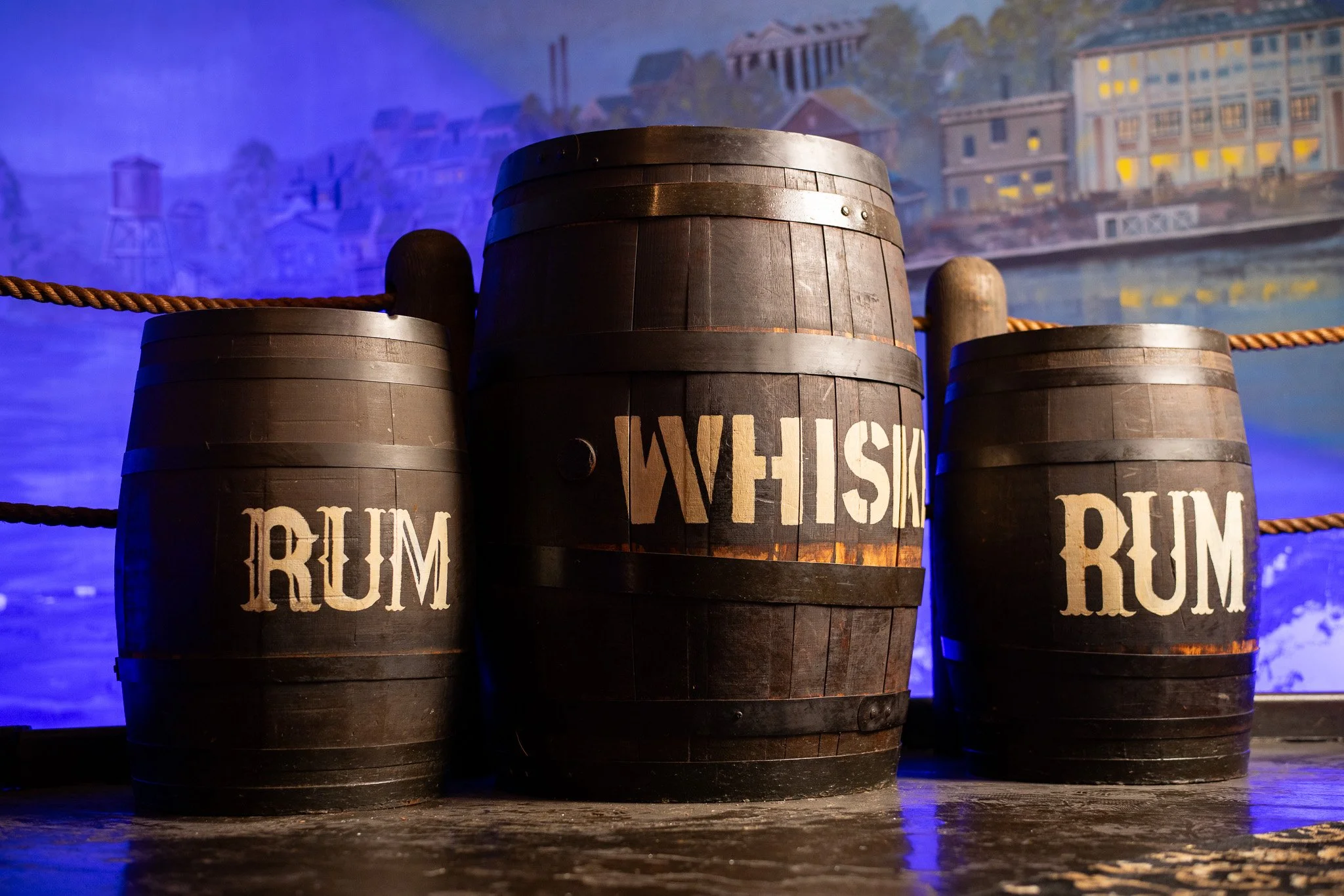
In the late 1960s, the second generation, led by Al Barroni Jr., reimagined the space. What had been a casual tavern was transformed into a refined dining room. Red granite cobblestones from the riverfront were repurposed into interior walls. The woodwork, hand carved by local monks, added warmth and craftsmanship. A sweeping mural, based on an 1890s riverfront photograph and painted by legendary Muny set designer Nate Ettlinger stretches across the curved wall in the bar. The floor was constructed from planks salvaged from a St. Louis steamboat. History was not replaced. It was layered.
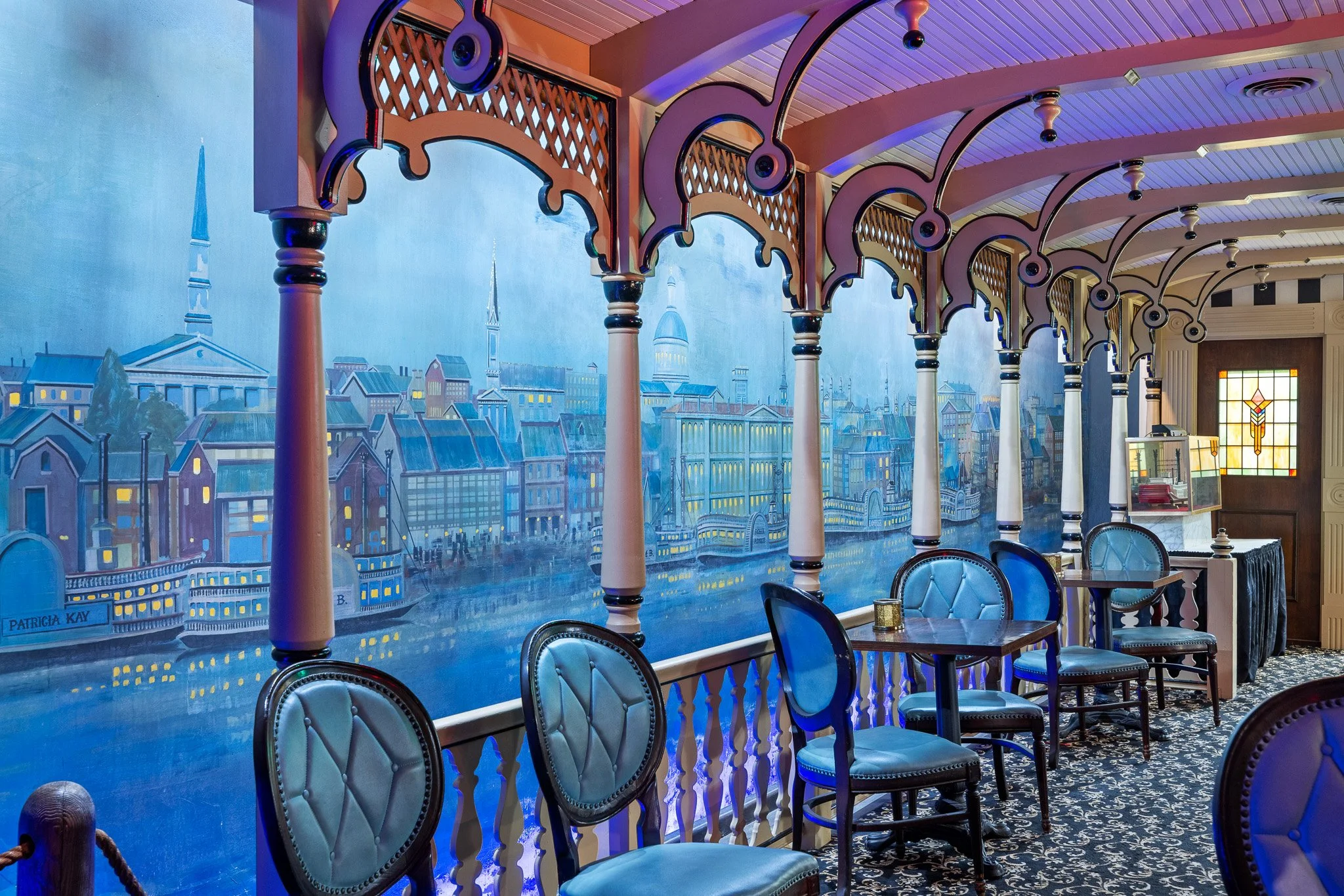
A sweeping mural, based on an 1890s riverfront photograph stretches across the curved wall in the bar.
Generations of guests return, some with private wine lockers awaiting their arrival. “My grandfather started coming here in the 1950s and fell in love with the place,” patron Greg Rhomberg recalls.
Dining at Al’s is not rushed. It’s meant to be experienced.
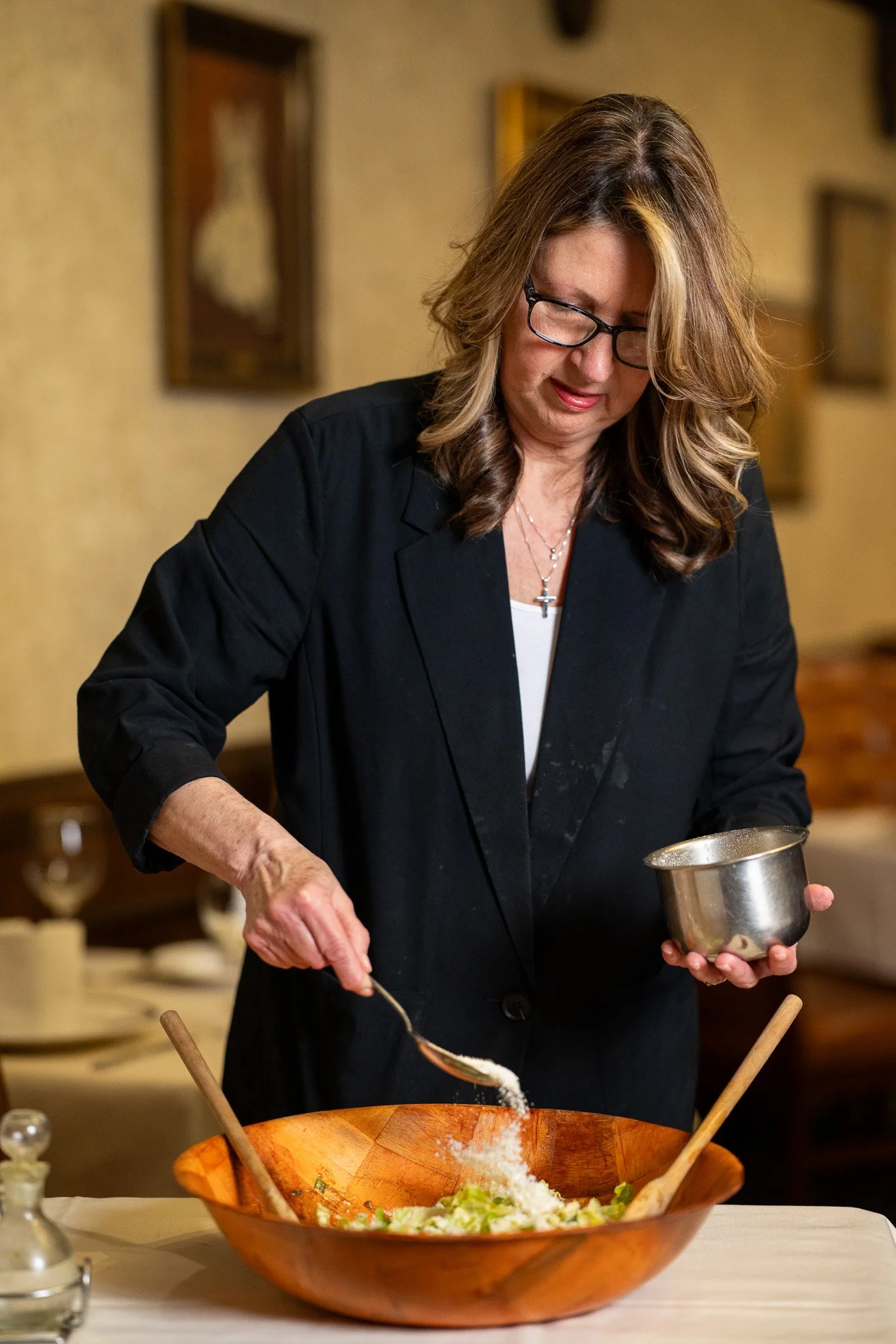
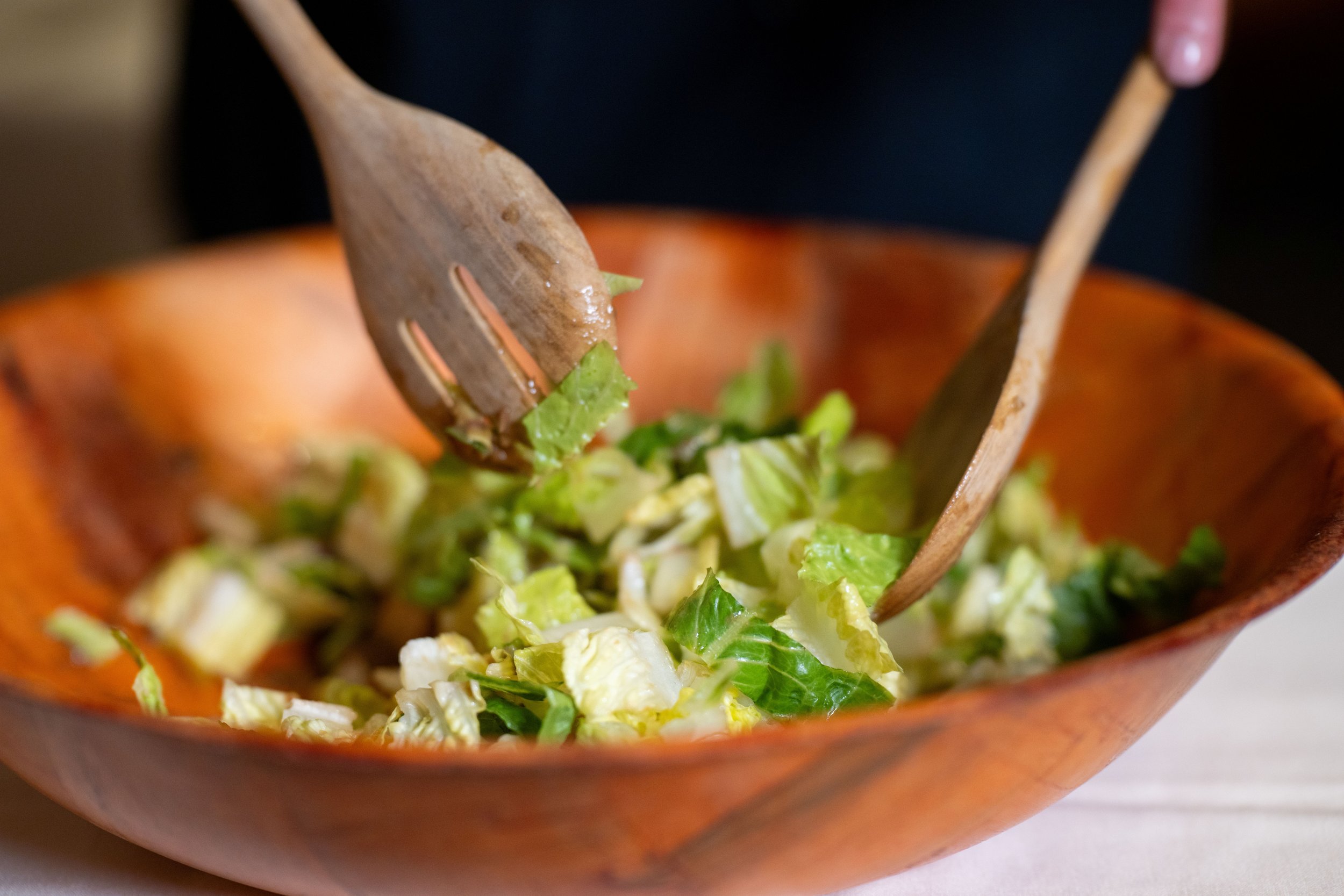
To start, there isn’t a printed menu. Never has been. Never will be. At Al’s, the menu is presented. A server arrives tableside with a gleaming platter of pristine cuts: steaks, chops and seafood. Even the Ceasar salad is created at the table.
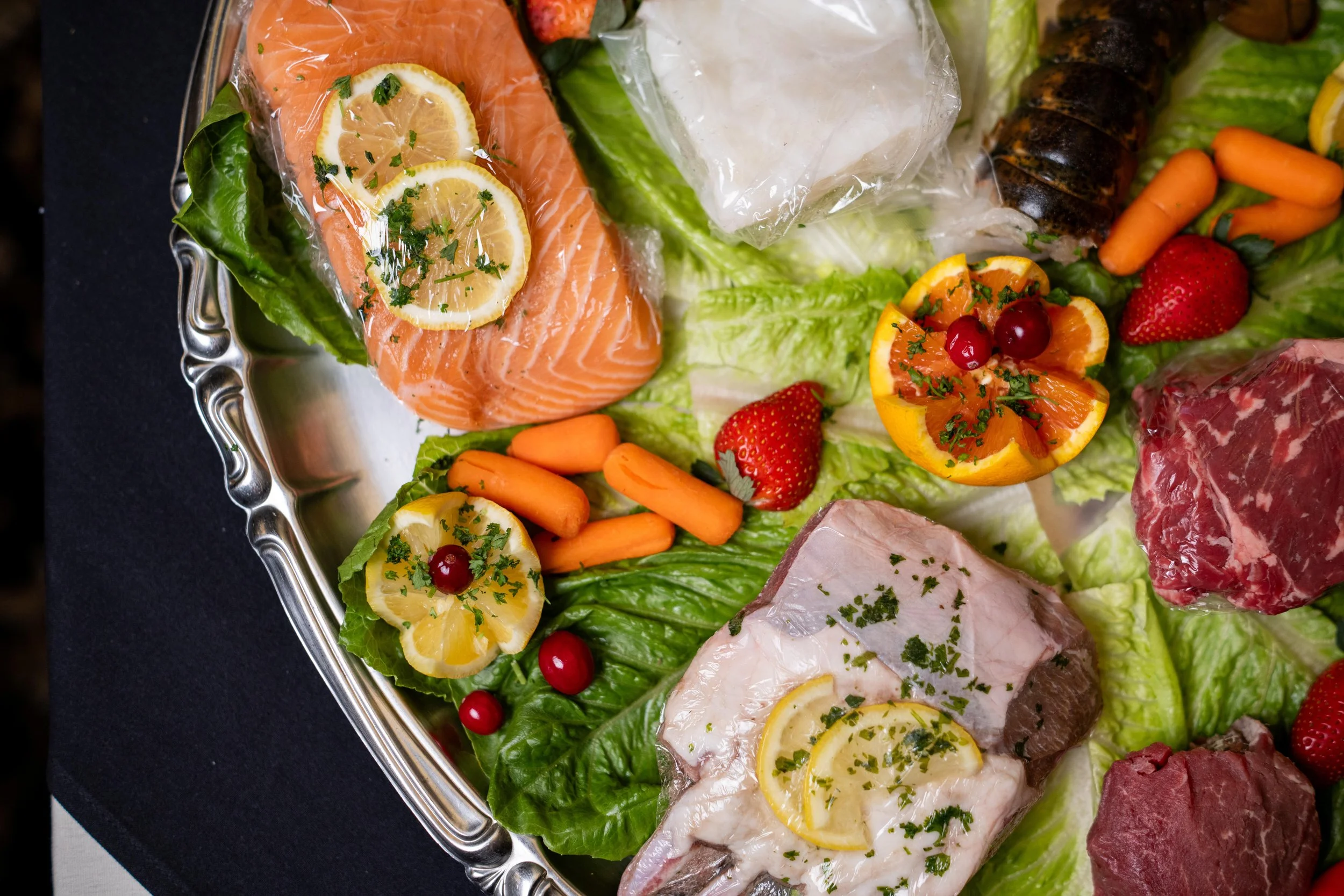
There isn’t a printed menu. At Al’s, the menu is presented. A server arrives tableside with a gleaming platter of pristine cuts: steaks, chops and seafood.
“My father always said to start the guest off with a really good drink, combined with our fresh Italian bread and house made blue cheese spread, to immediately set the tone for the evening, Pam says.
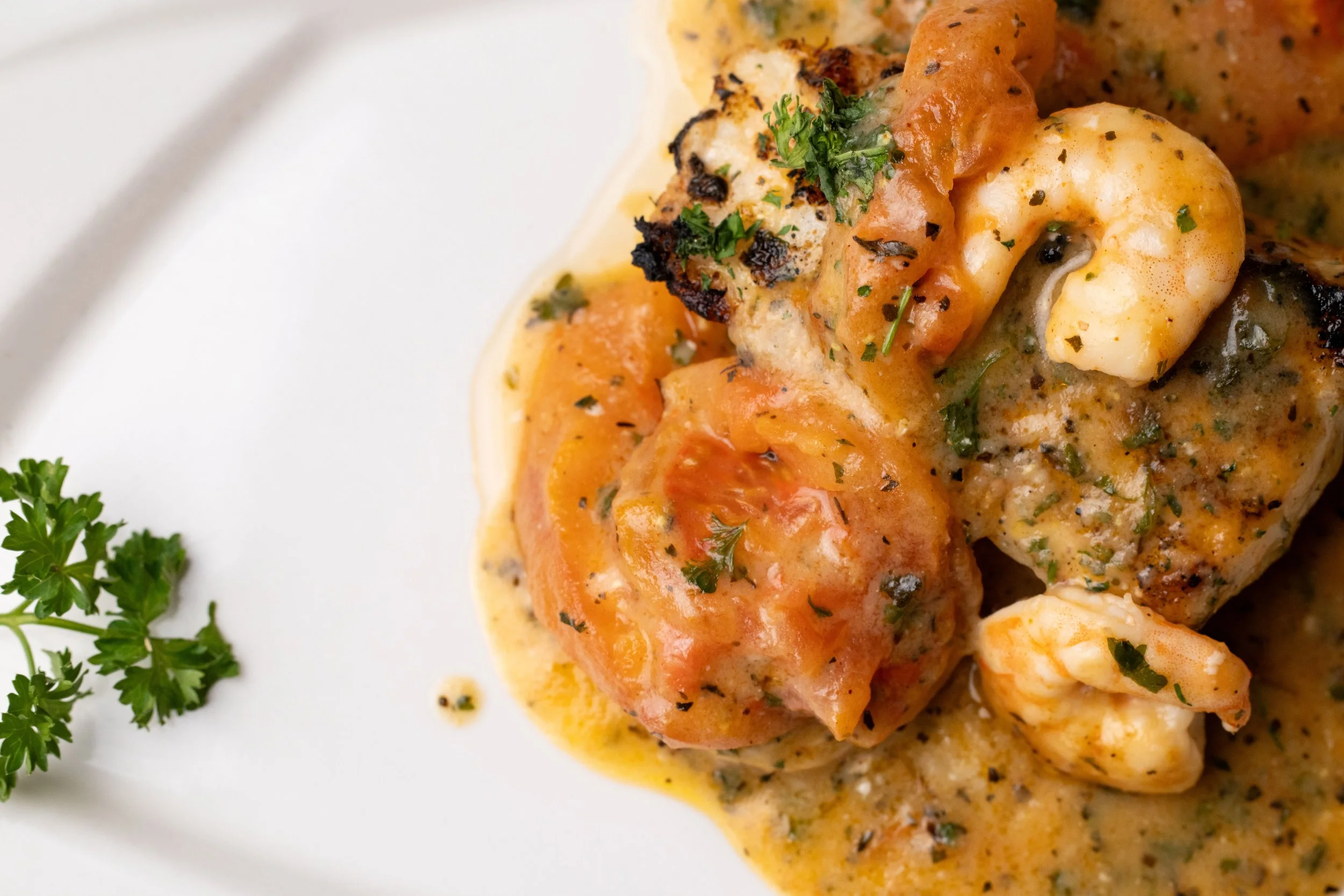
Nothing is par-cooked. Everything is prepared with made-to-order precision. This is not an eat-and-run situation. Their filets and NY strips are aged and hand-trimmed on site. “Gary and I learned to trim meat from my dad,” Pam explains. Only cold-water lobster tails are used for lobster dinners and lobster bisque soup. The meal spans the evening. The entrees are cooked to order and plated at the table.
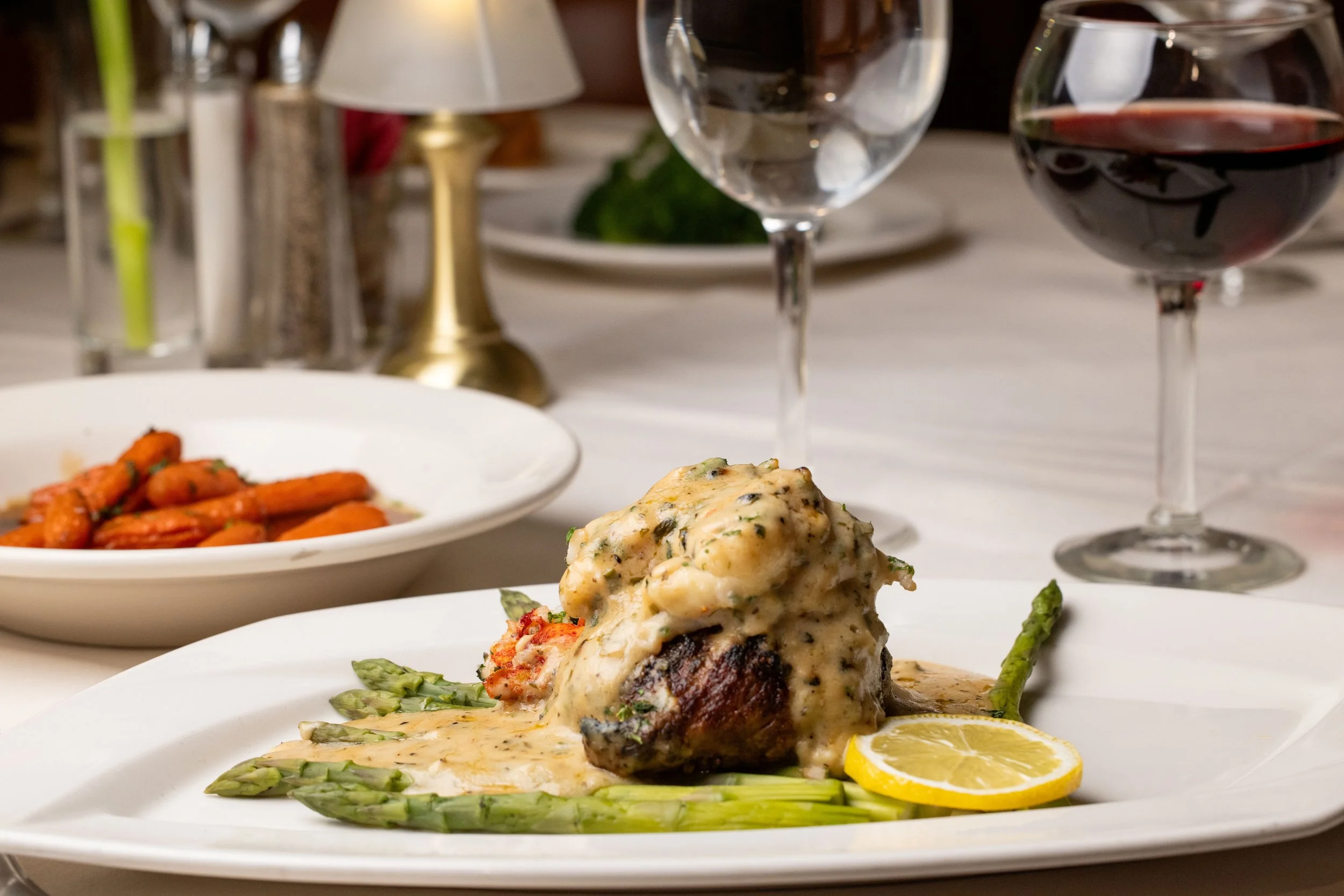
Beef Romano is widely considered the signature dish that defines Al’s. This iconic high-end entrée consists of a petite filet mignon, butterflied, stuffed with prosciutto and Romano cheese, rubbed with garlic, lightly breaded, sautéed in olive oil, and finished with a marsala sauce.
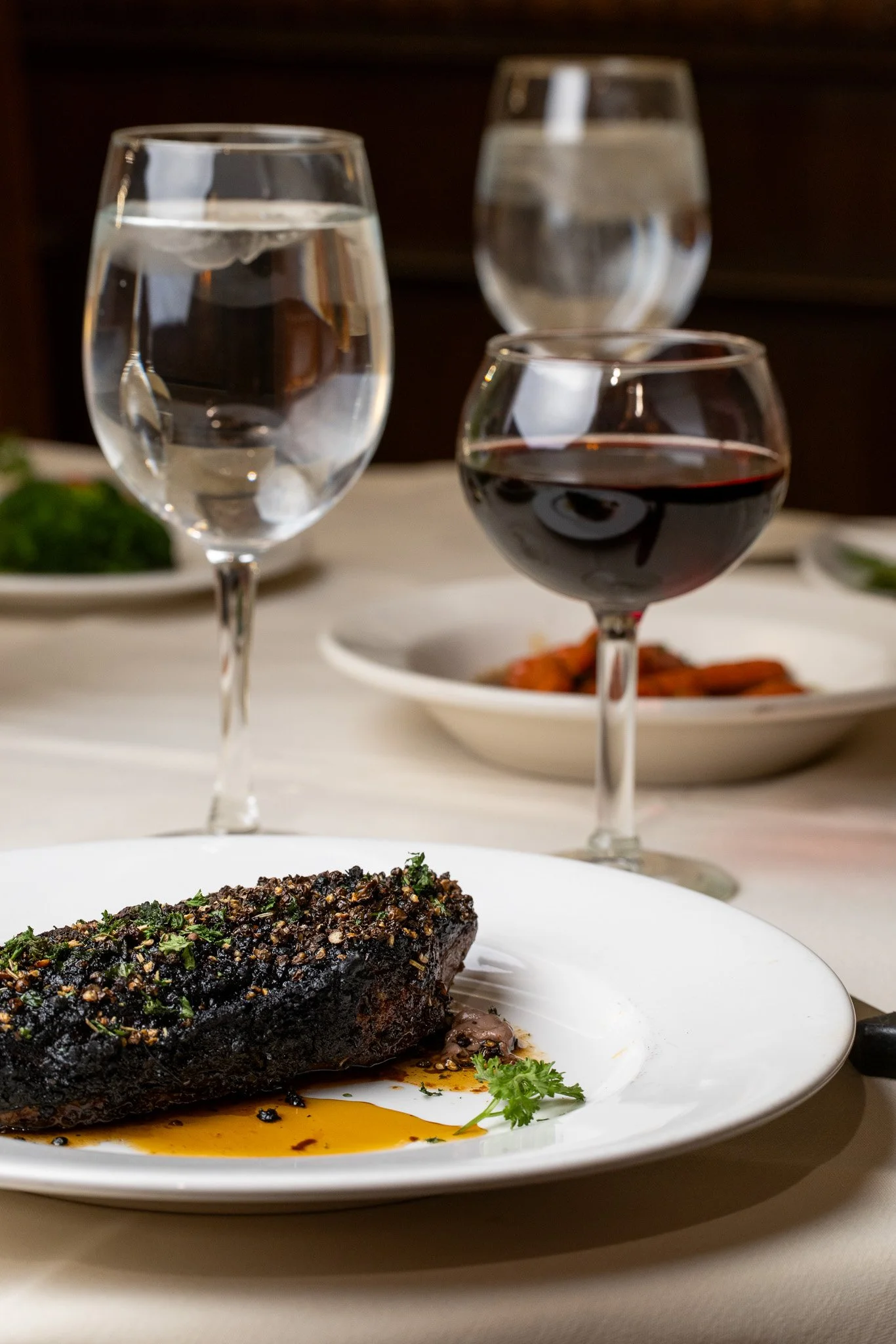
Centercut NY steak topped with peppercorn
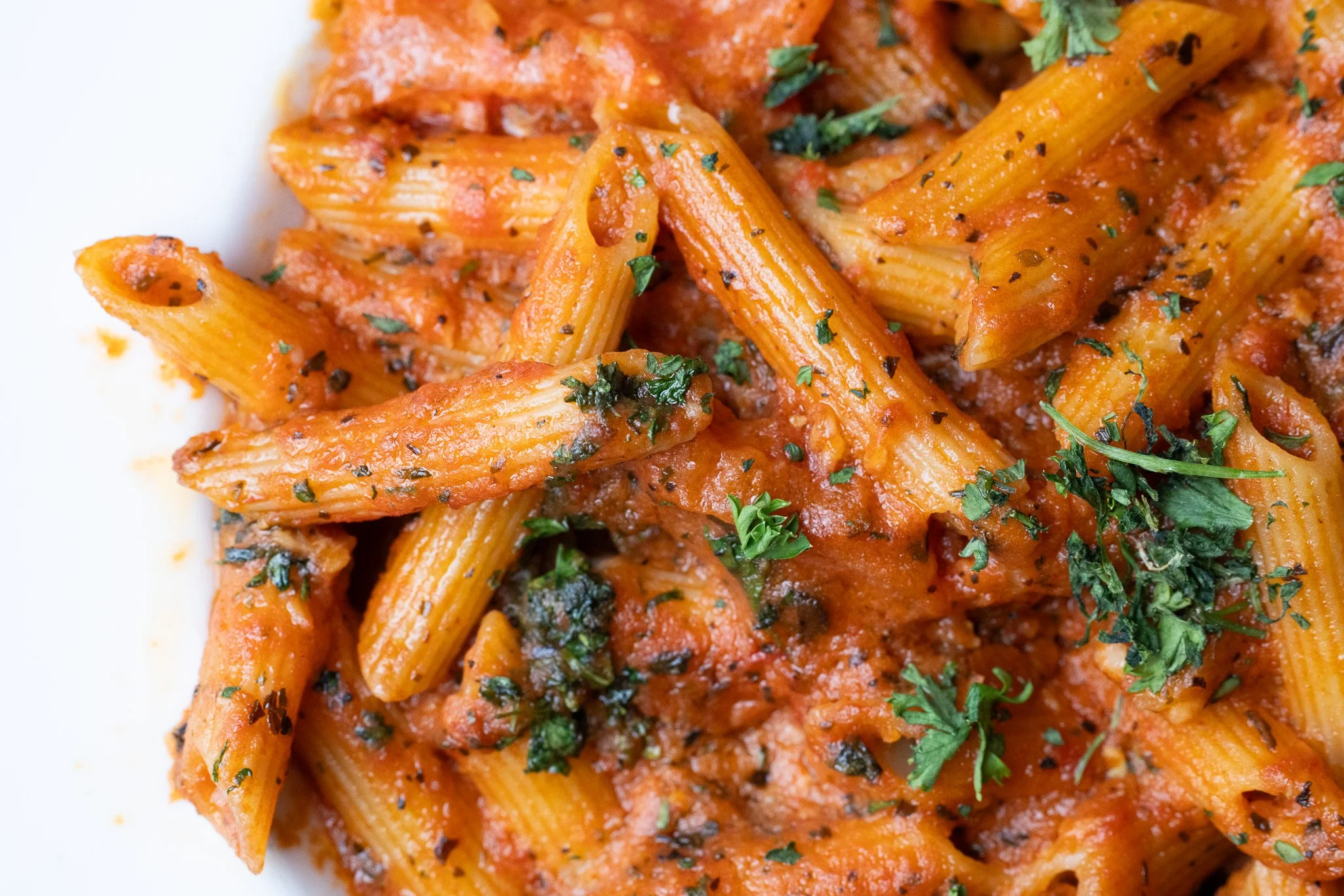
The menu itself reads like a canon of classic American fine dining, filtered through Italian sensibility: Chateaubriand, Beef Romano, Filet Oscar, rack of lamb and seafood.
Signature preparations define the experience.
Servers train for months — sometimes a full year — to master the menu and the cadence of the dining experience. Each handles a maximum of 10 tables
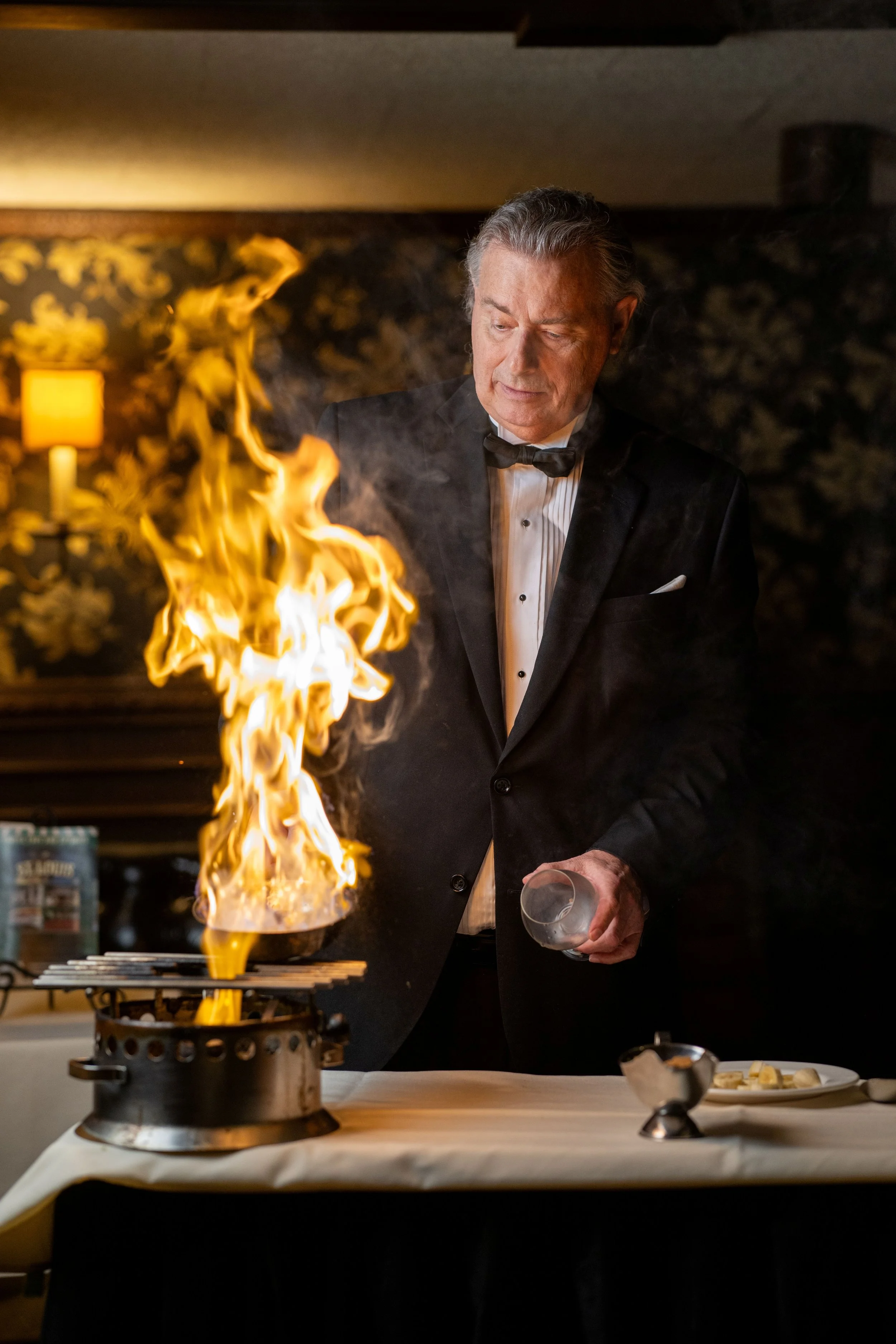
From the moment a guest opens the 400-pound antique door to the final flourish of tableside desserts like Bananas Foster dramatically set afire, the evening unfolds with deliberate pacing.
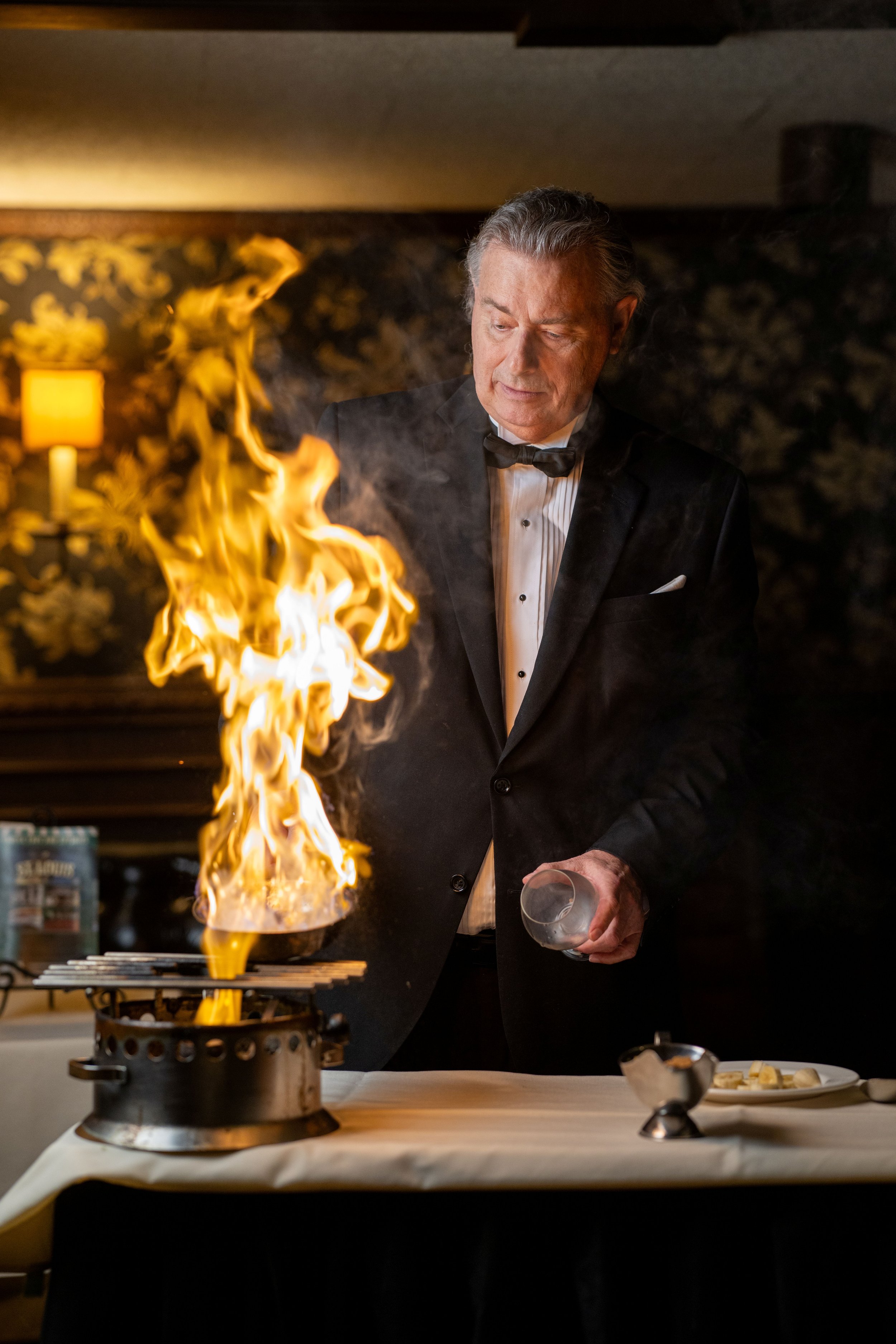
The flame adds drama and culinary theater to Al’s Bananas Foster.
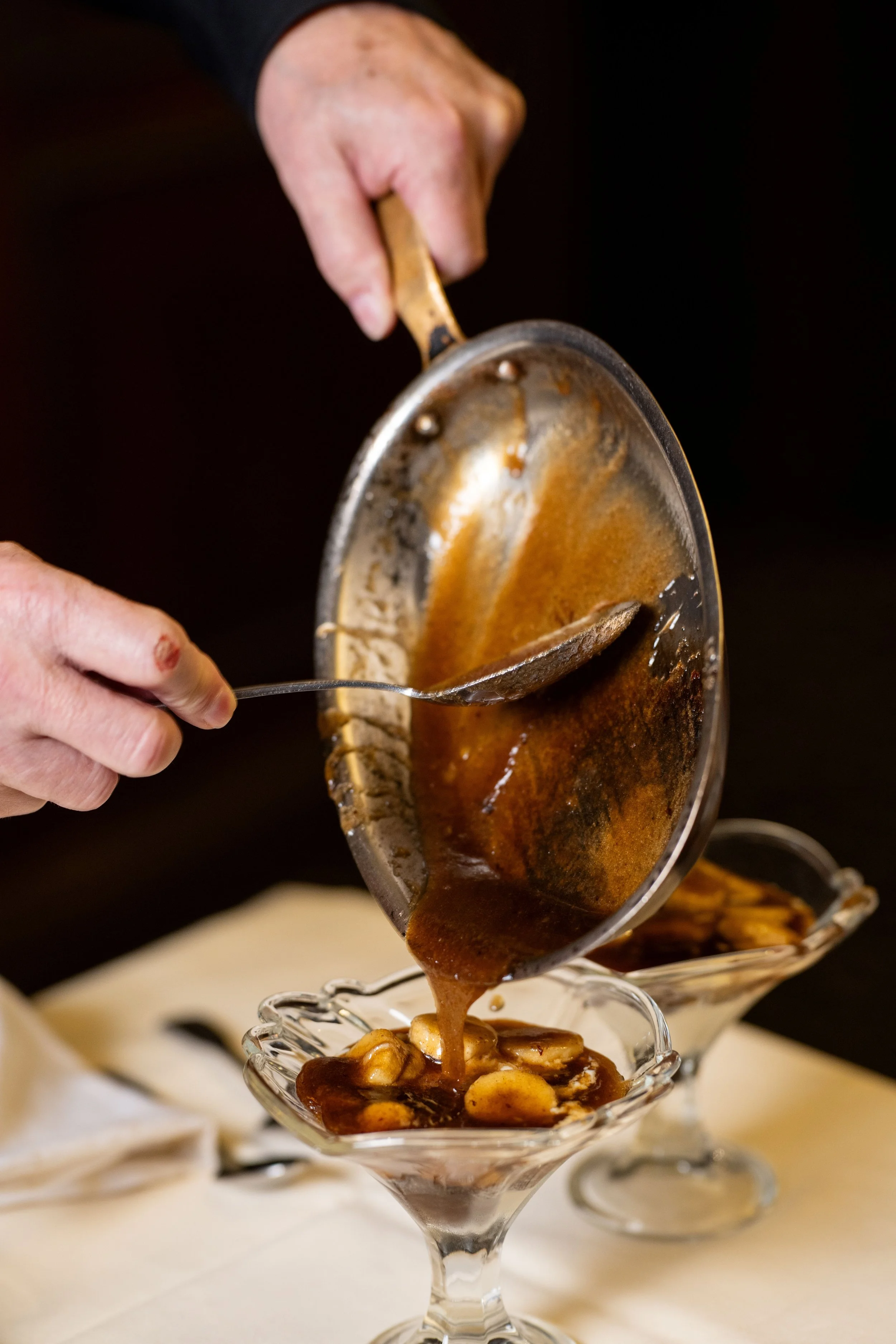
The delightful aroma from the caramelization of the butter, brown sugar, cinnamon and rum and banana liqueurs to Al’s Bananas Foster fill the restaurant.
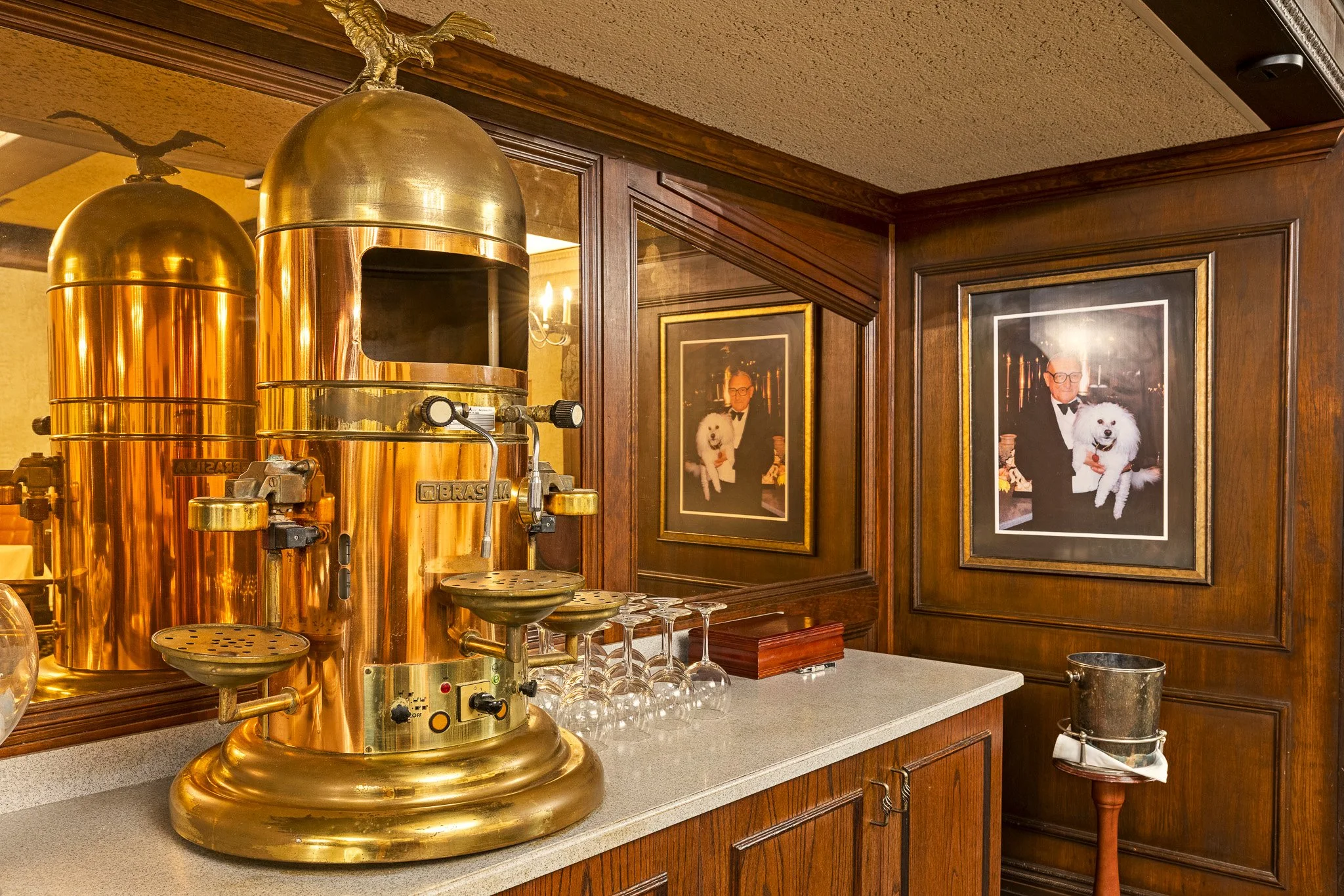
“People from all over the world come here,” Pam says. “We’ve even had secret service details accompany guests. We have tables named in honor of a special few, Henry Fonda, Michael Landon and Frank Sinatra. One night Sinatra came in and ordered two steaks. My grandpa said ‘You must be mighty hungry.’ Sinatra said, ‘My driver is in the car watching my dog.’ Without missing a beat, my dad [Al Jr.] said, ‘Bring that dog in. My dad loves dogs.” Above the Sinatra table are framed pictures of him holding is fluffy white dog. A similar photo of Al Jr. is on another wall.
But celebrity has never defined Al’s. The restaurant is, in many ways, a paradox: a hidden gem with a global reputation. A place unchanged in a world defined by reinvention.
And perhaps that is its greatest luxury.
From its beginnings in 1925 to what may never reach an ending, Al’s continues forward — not by chasing trends, but by honoring tradition.
In a culture obsessed with what’s next, Al’s reminds us of the enduring power of what remains.
Emmy-award-winning documentary by Al Schankman.
The Al’s Experience in Pictures
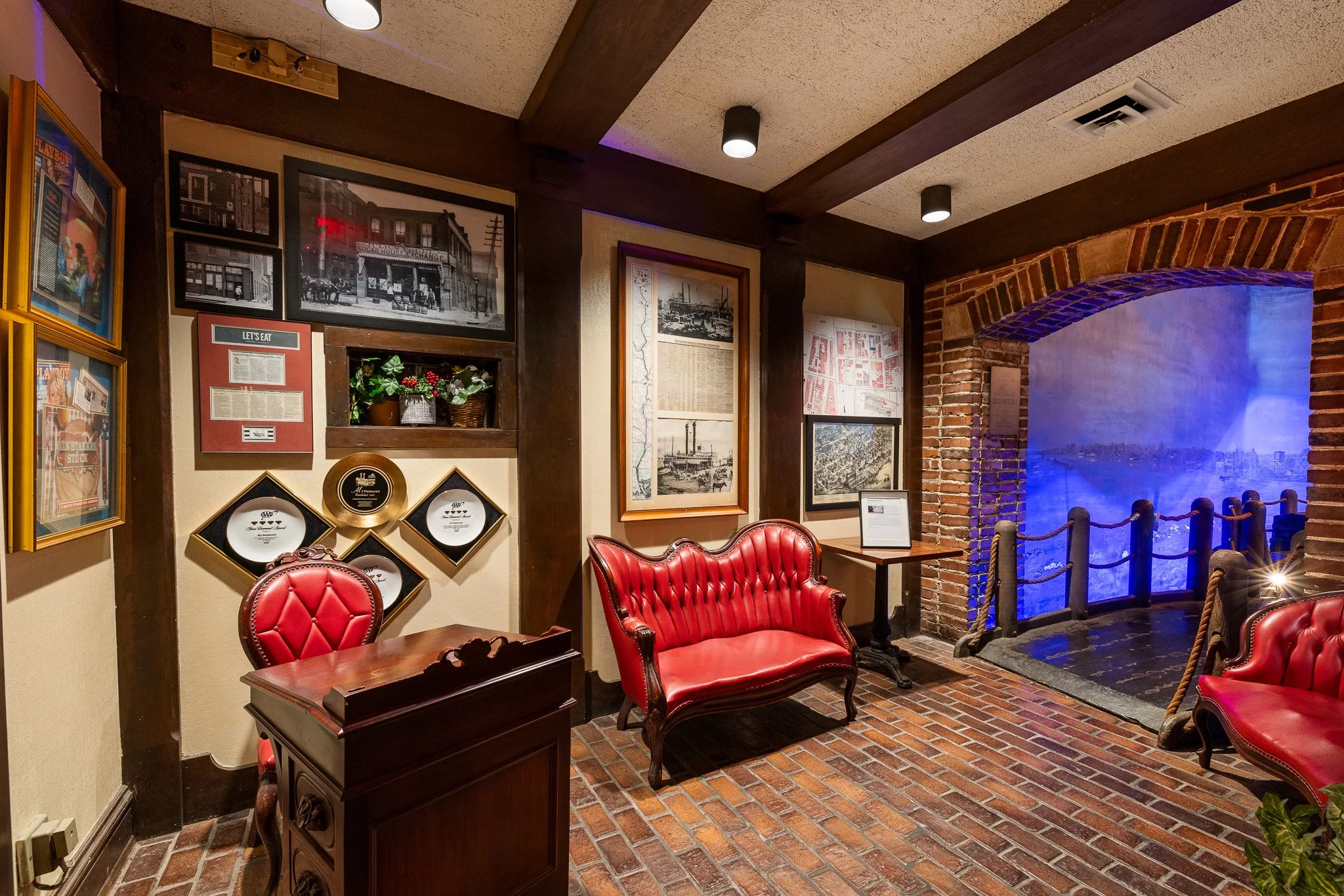
In the 60’s, dinner jackets were required, and offered if lacking upon entering here. A supply was kept in the nearby cloak room.
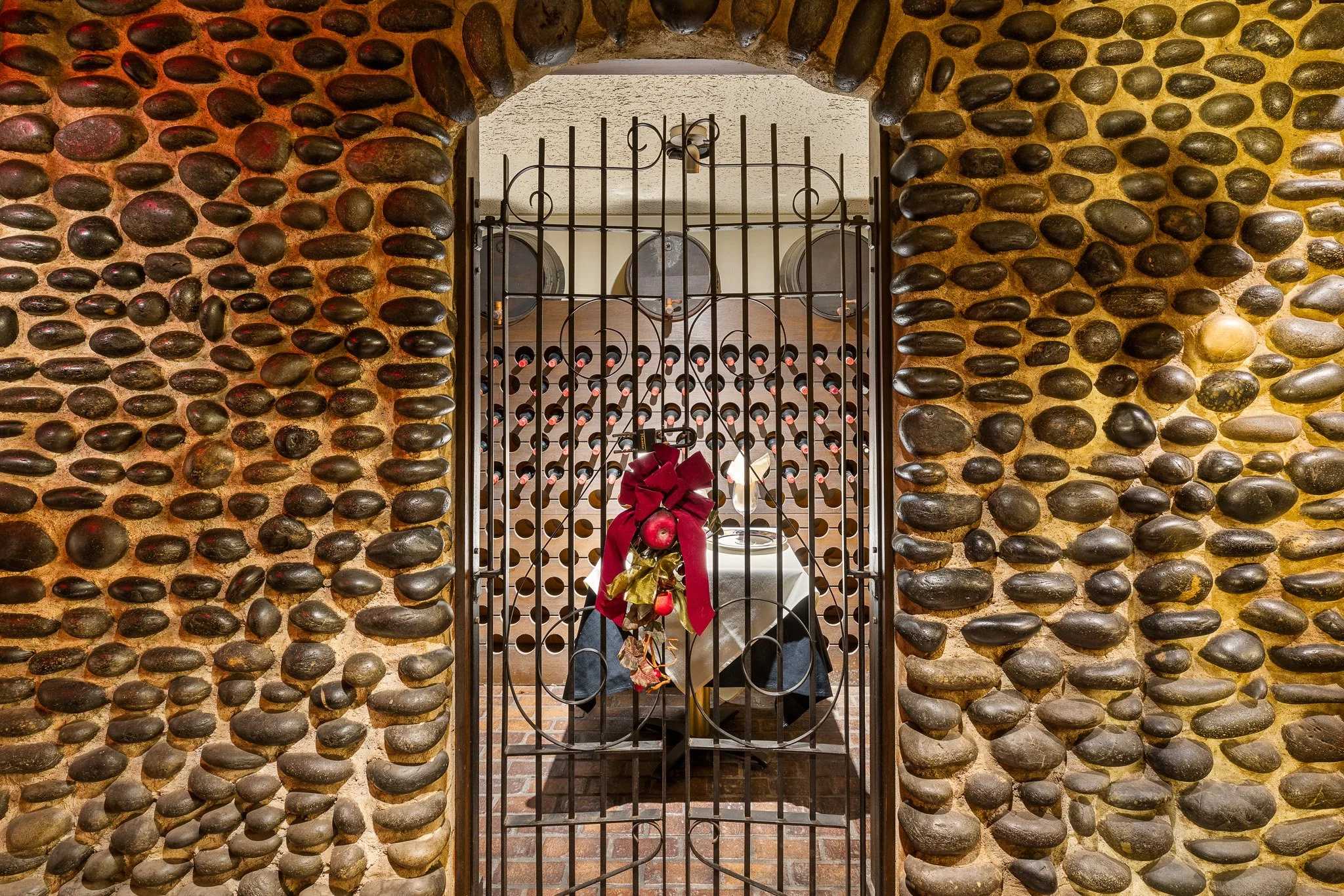
Red granite cobblestones from the riverfront were repurposed into interior walls.
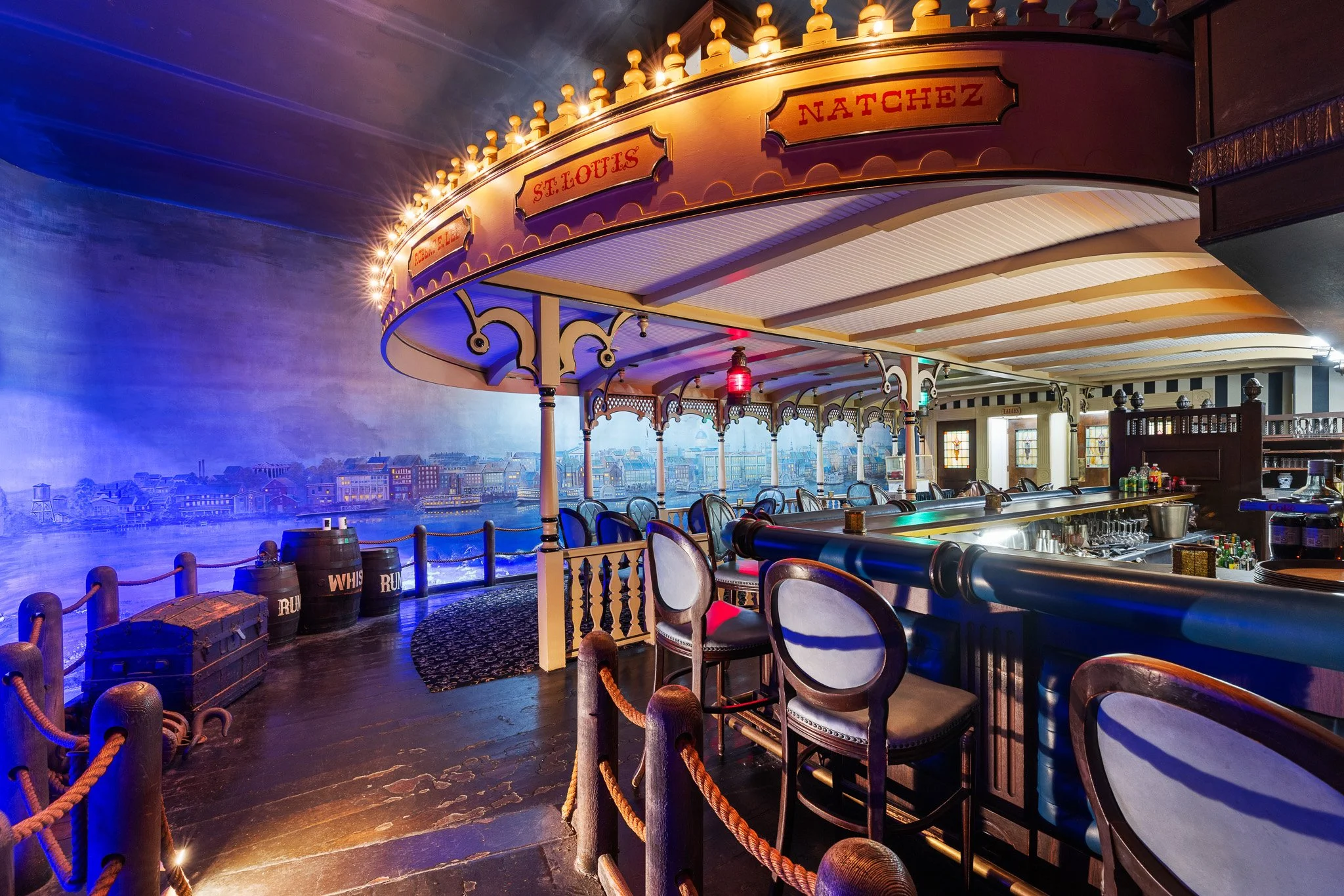
The floor was constructed from planks salvaged from a St. Louis steamboat. It is designed to slant as guests walk down it like an actual riverboat during the early 1900s.
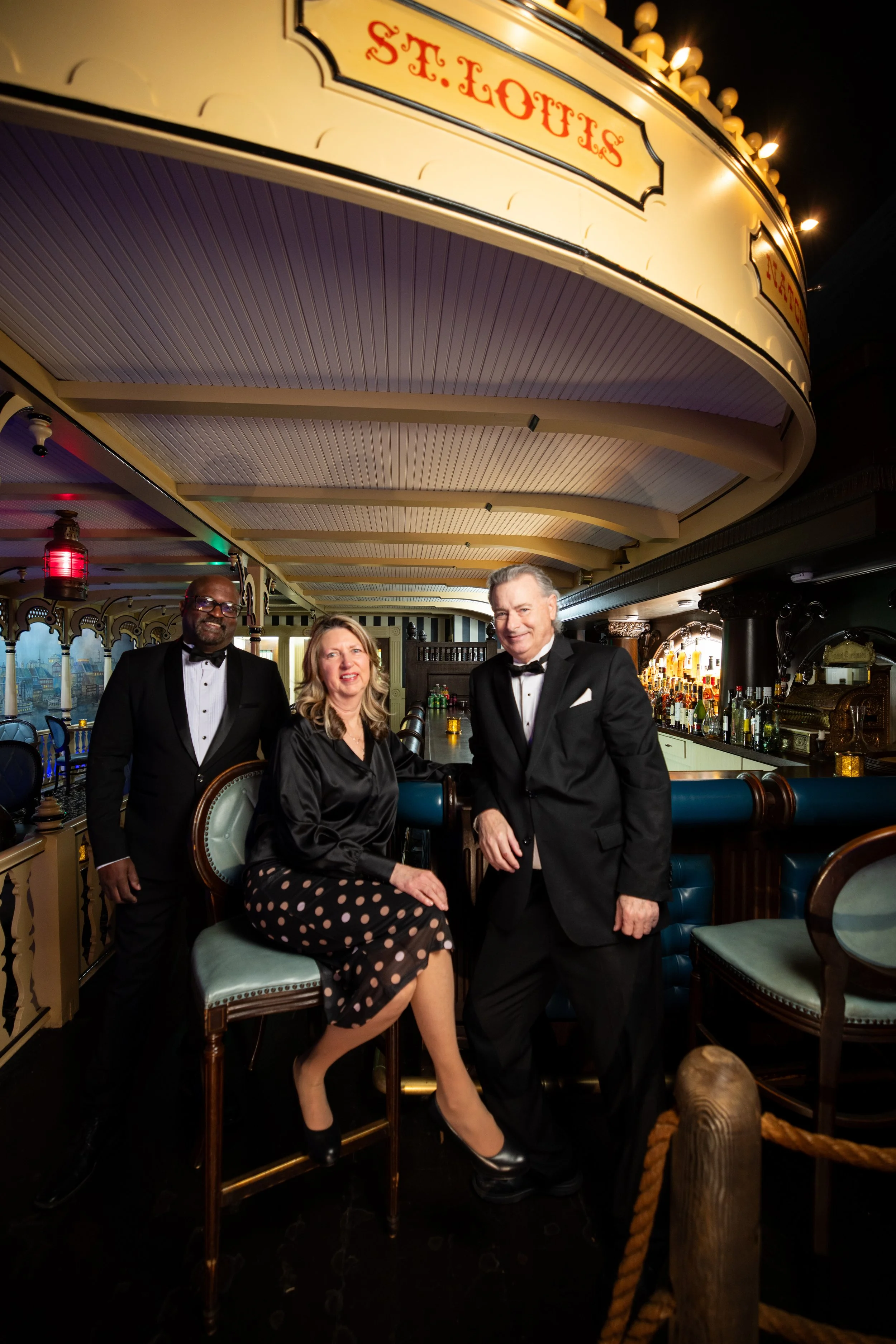
Sophisticated Living St. Louis Digital Content Producer Grayling Holmes with owner Pam (Barroni) Neal and here husband Gary Neal
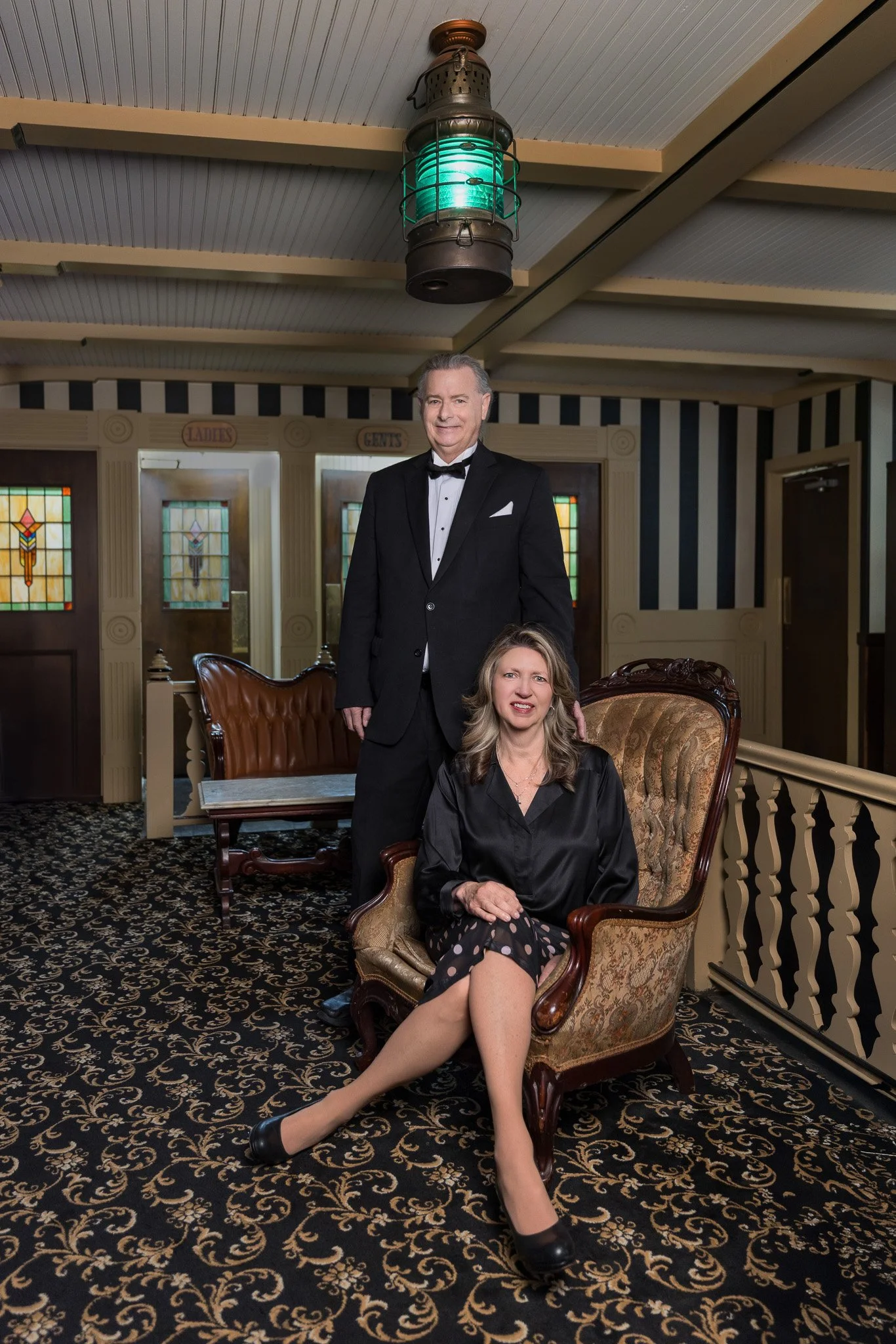
Gary Neal and Pam (Barroni) Neal sit on an antique chair in the bar salon that was praised by producers of the show “Antique Pickers” when they stopped by.
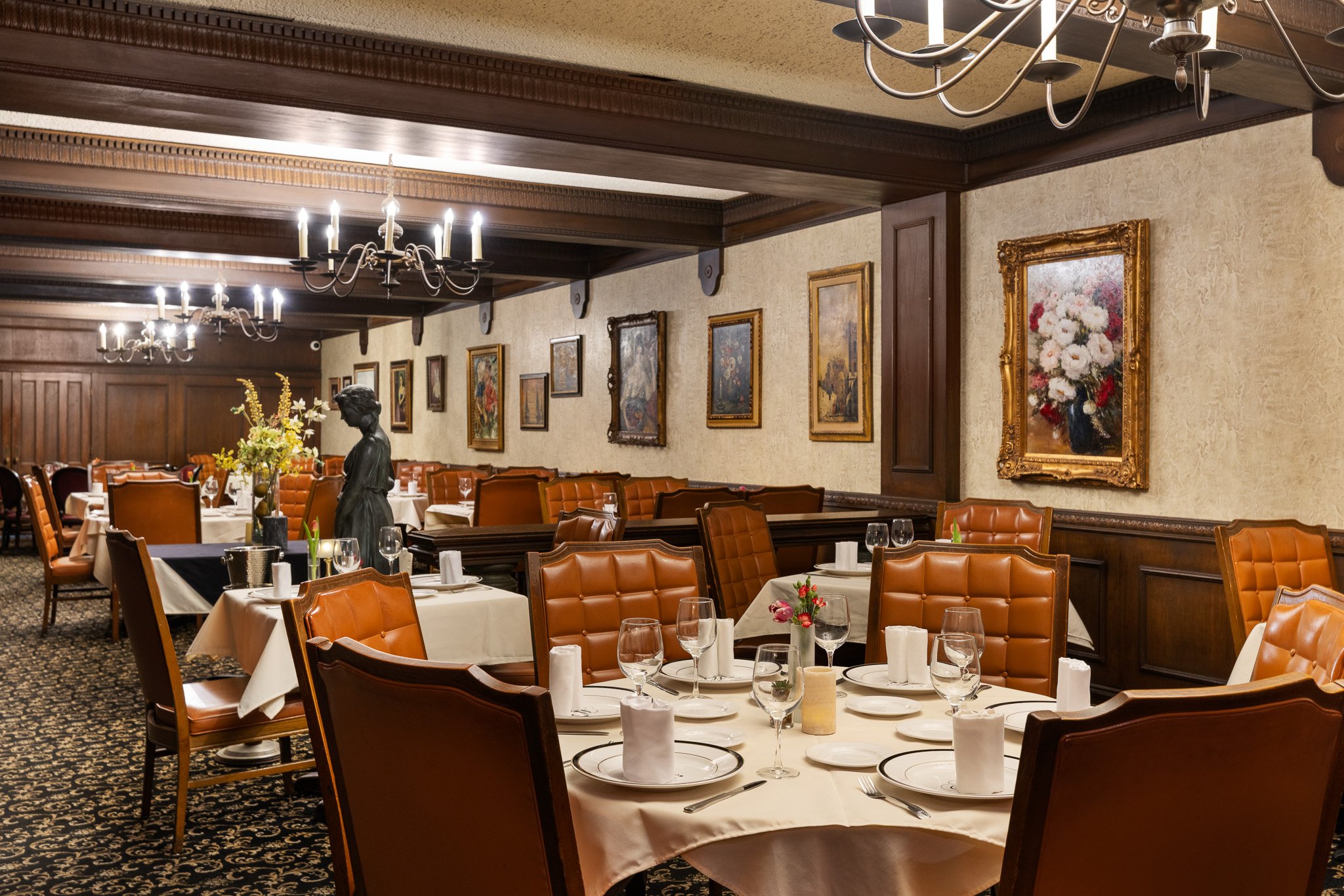
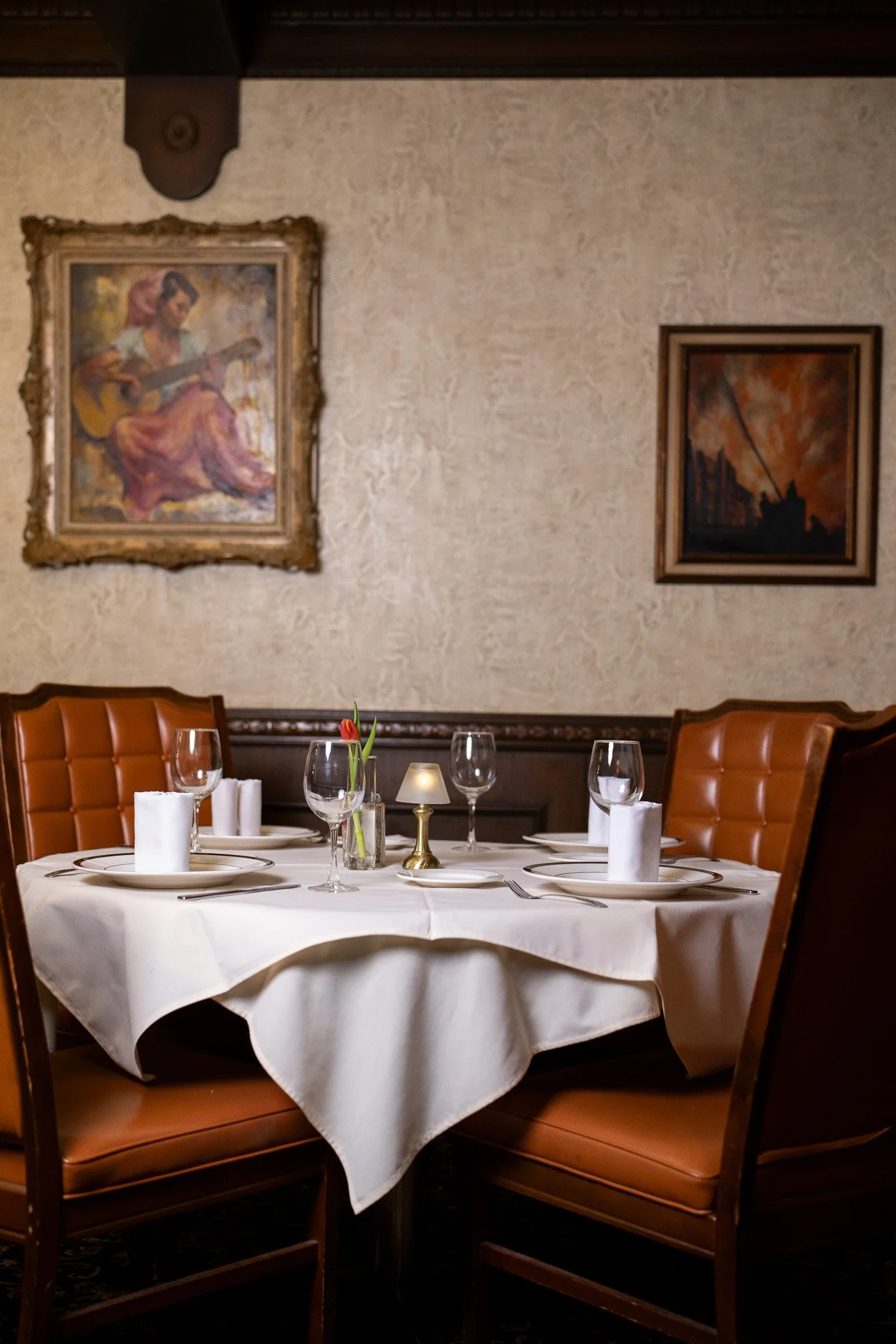
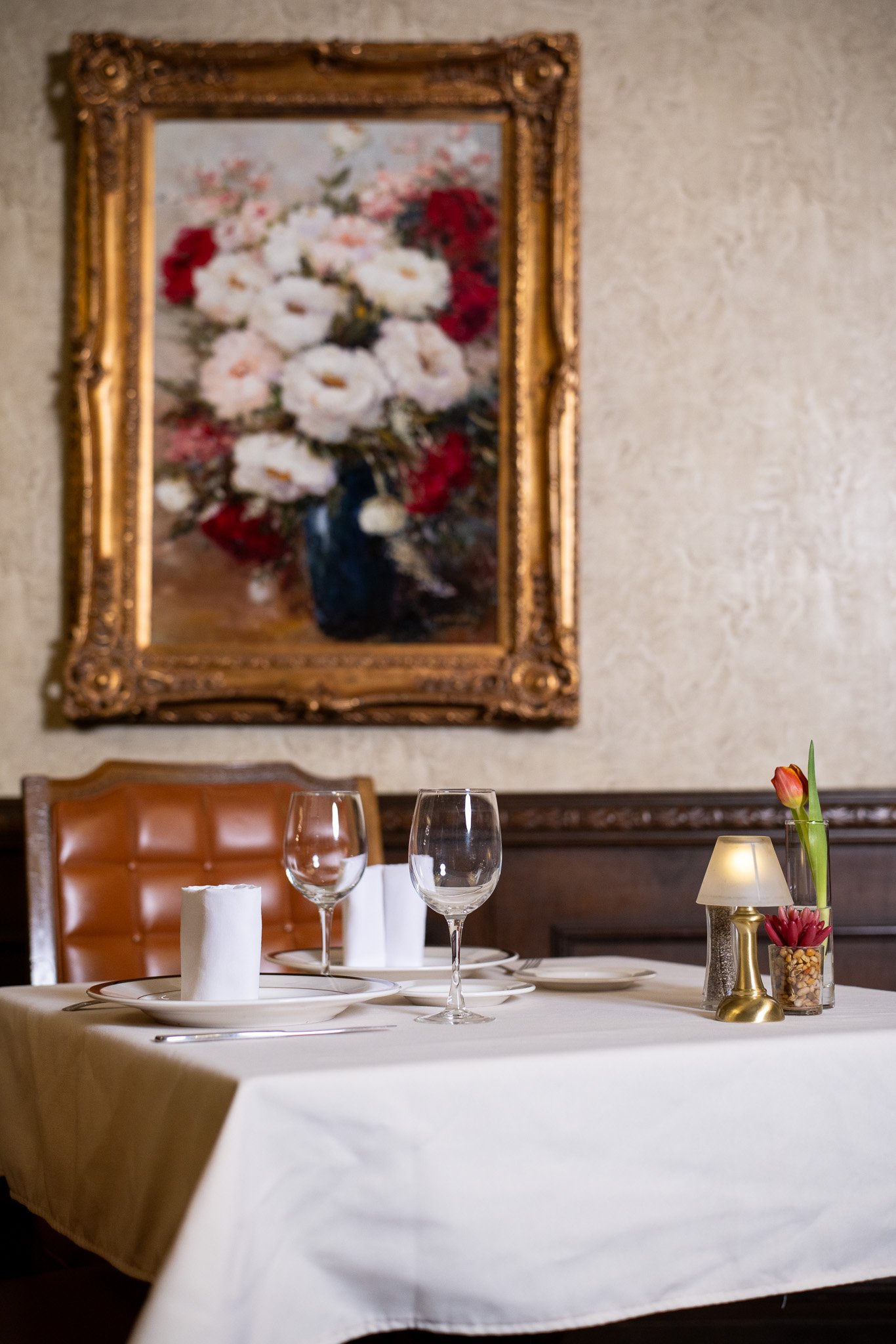
The dining room at Al’s remains much the same as it did in the 60s when Al Barroni Jr converted the restaurant to fine dining.
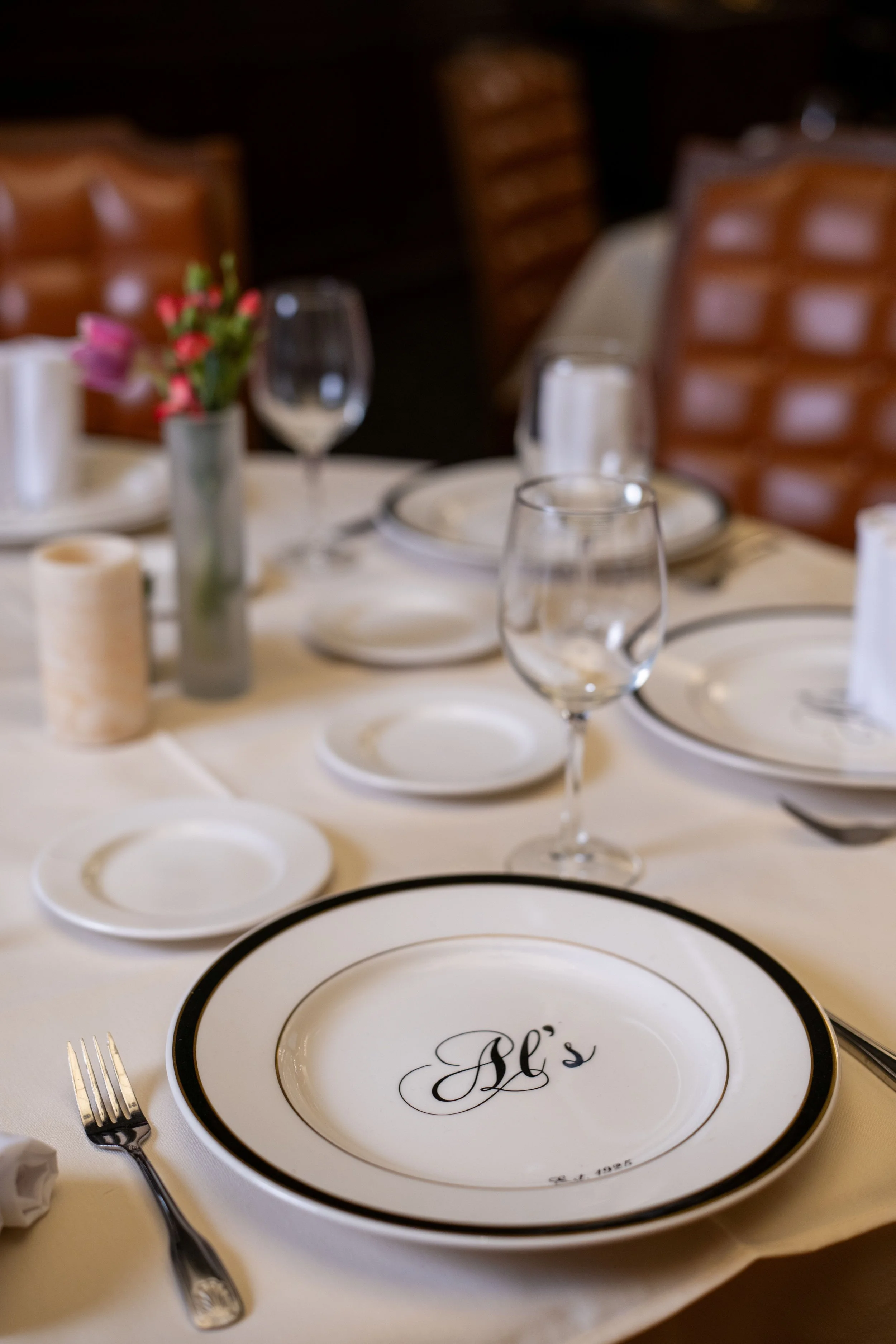
Al’s restaurant offers a singular fine dining experience served on gold-rimmed custom-branded dinnerware.
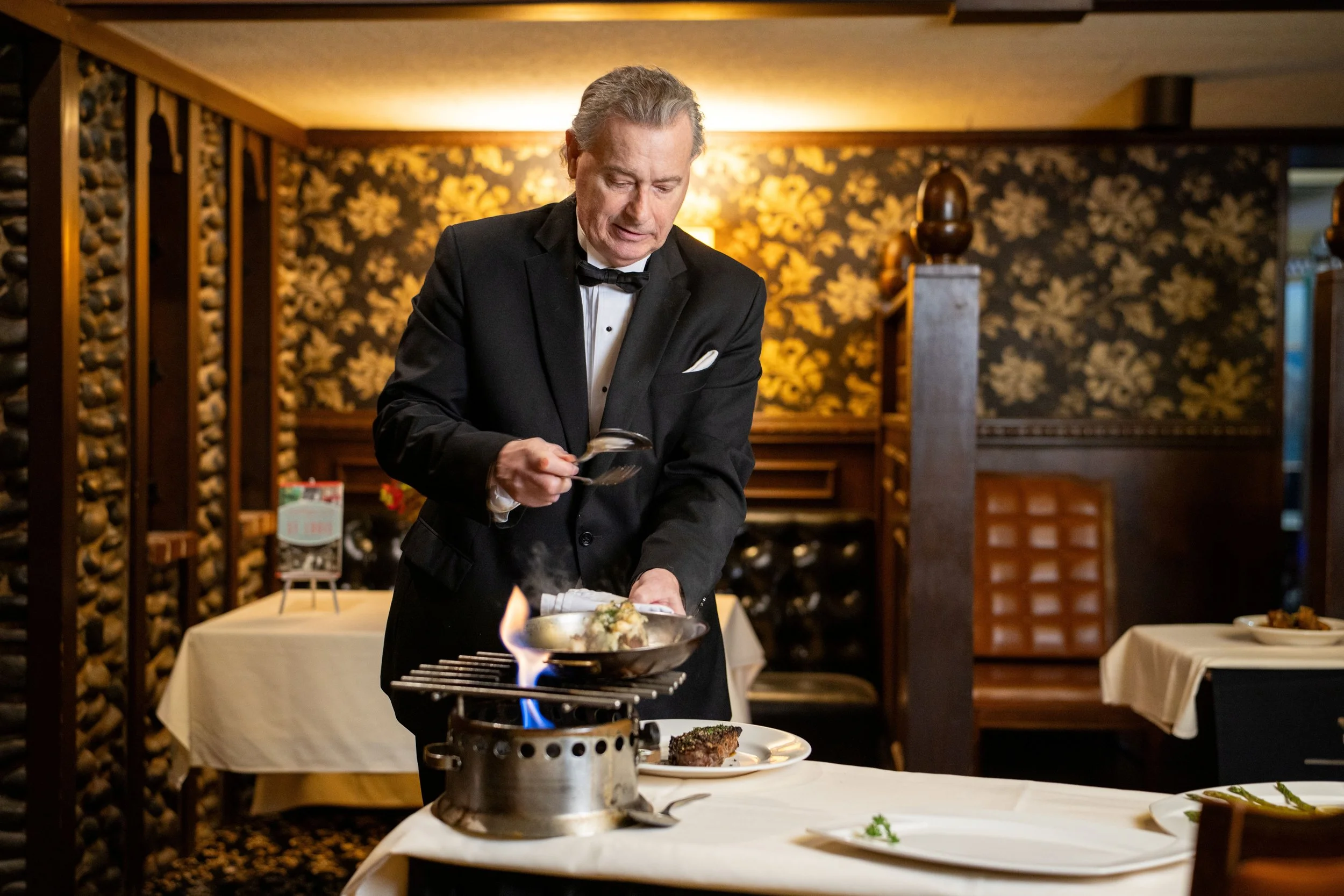
Tender, hot-from-the burner NY center cut strip steak is served by a waiter who has a maximum of 10 guests with which to provide optimal service.
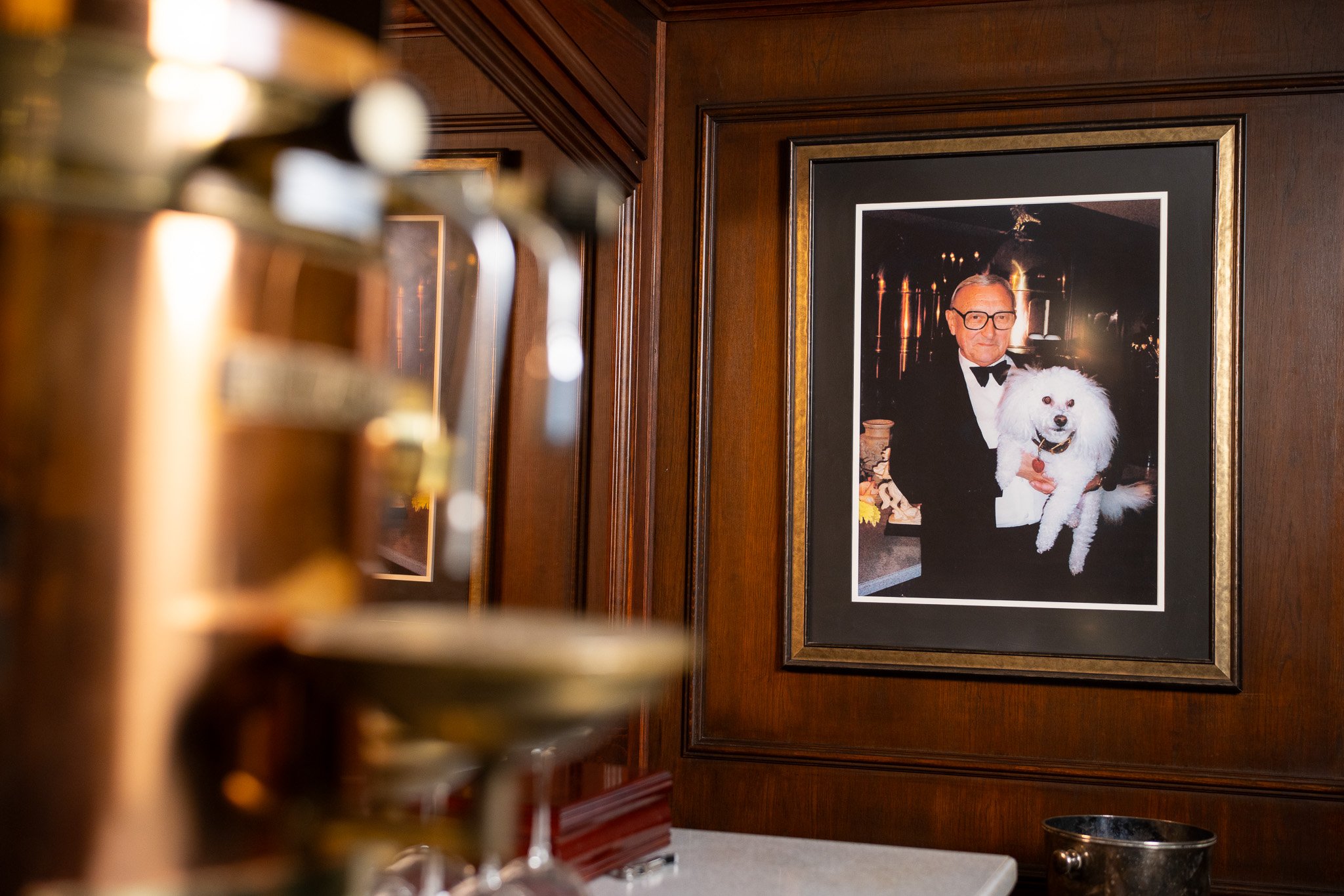
Al Barroni Jr’s portrait hangs on the wall with his precious pooch similar to Frank Sinatra’s dog.
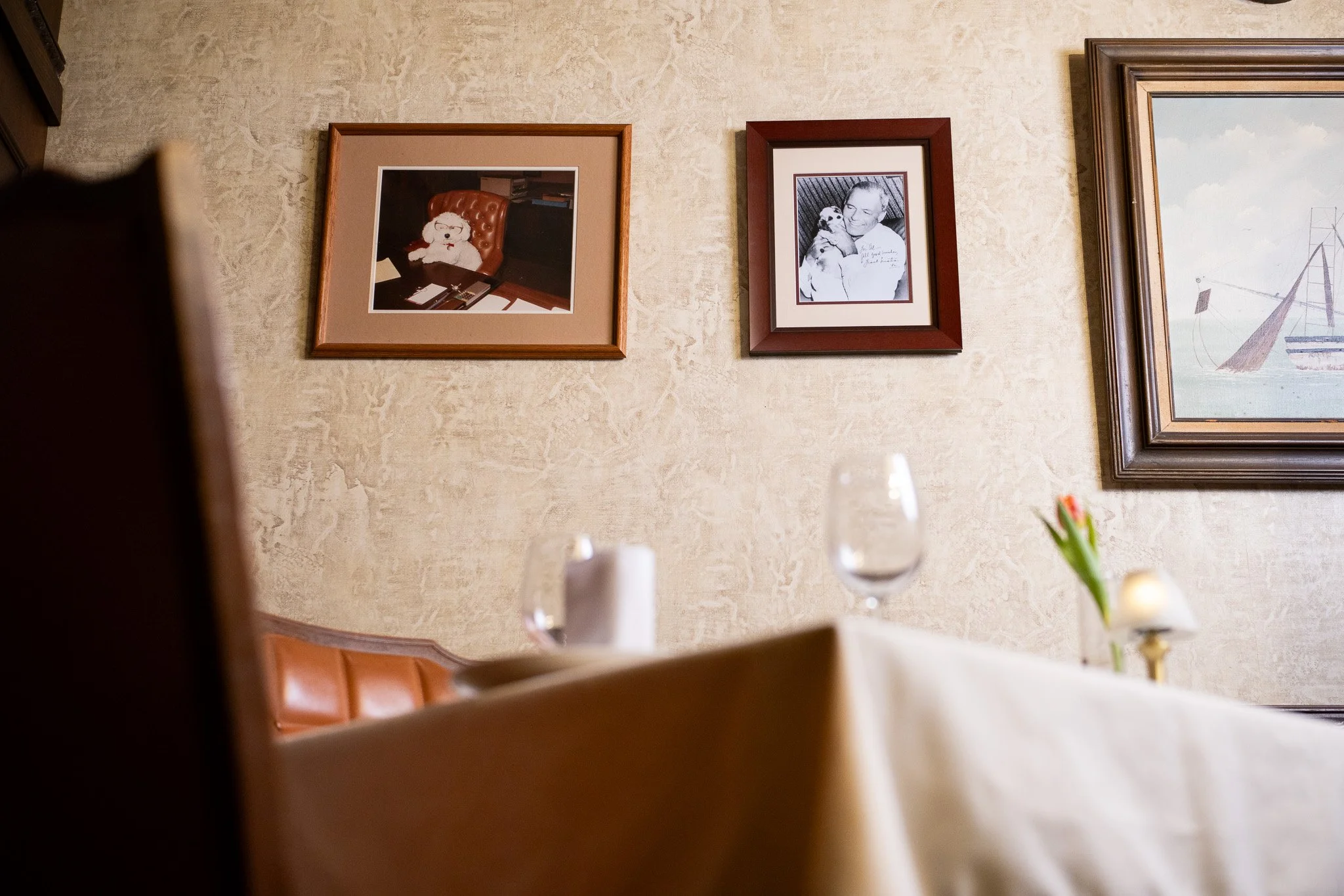
Frank Sinatra table. Sinatra once came in for two steaks. Al quipped that he must be awful hungry. Sinatra said he had his hungry dog waiting in the limo. Al insisted the dog be brought in, He had him seated and he ate the steak next to Frank. Two photos of the dog still hang above the table, one of him alone, the other of the famous crooner holding him.
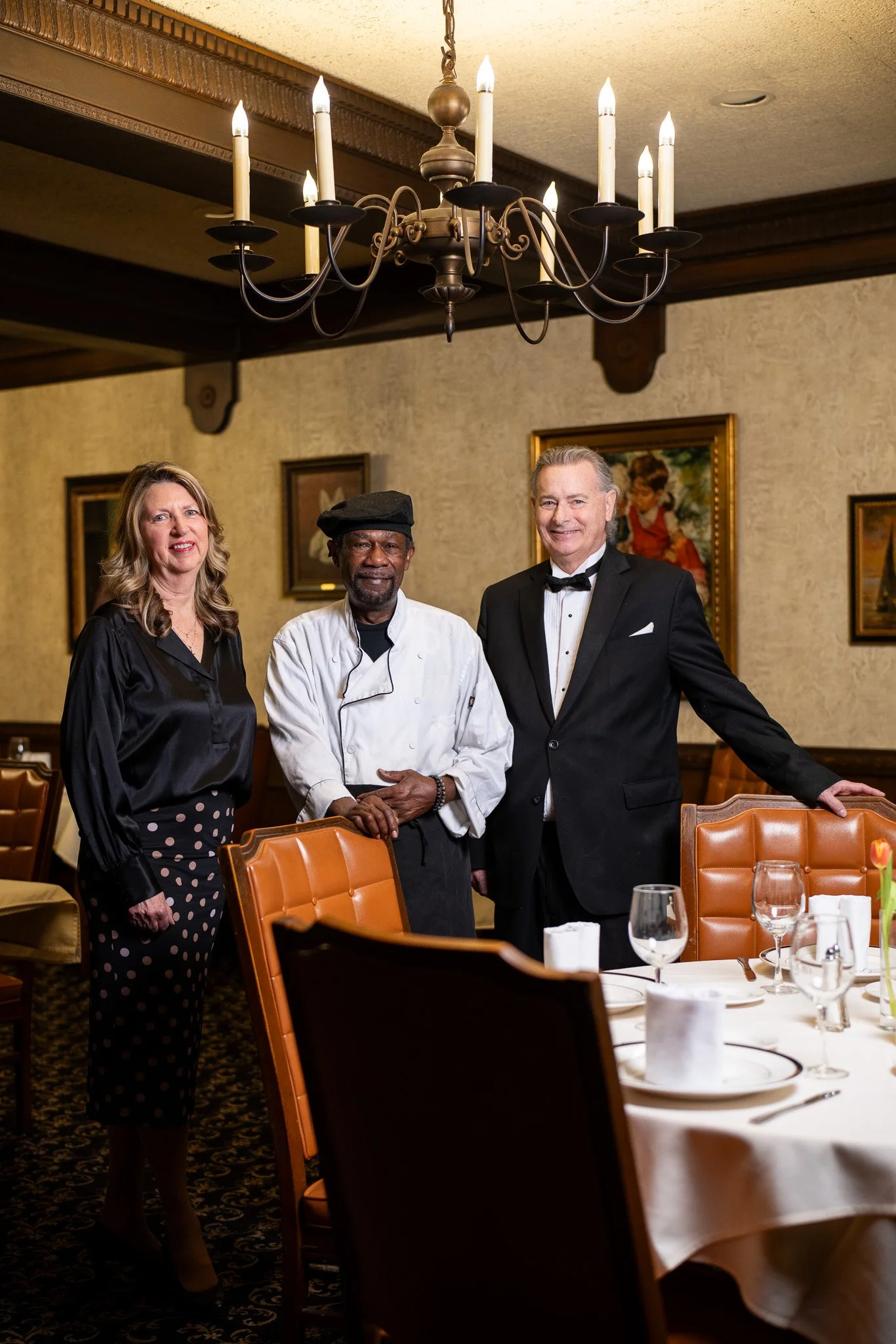
Pam and Gary pose with the chef who has been with them for years, and trained by his mother, an Al’s veteran. His mother was trained by Louise and worked alongside her for decades. Pam proudly says that inclusion is important to their staffing model.
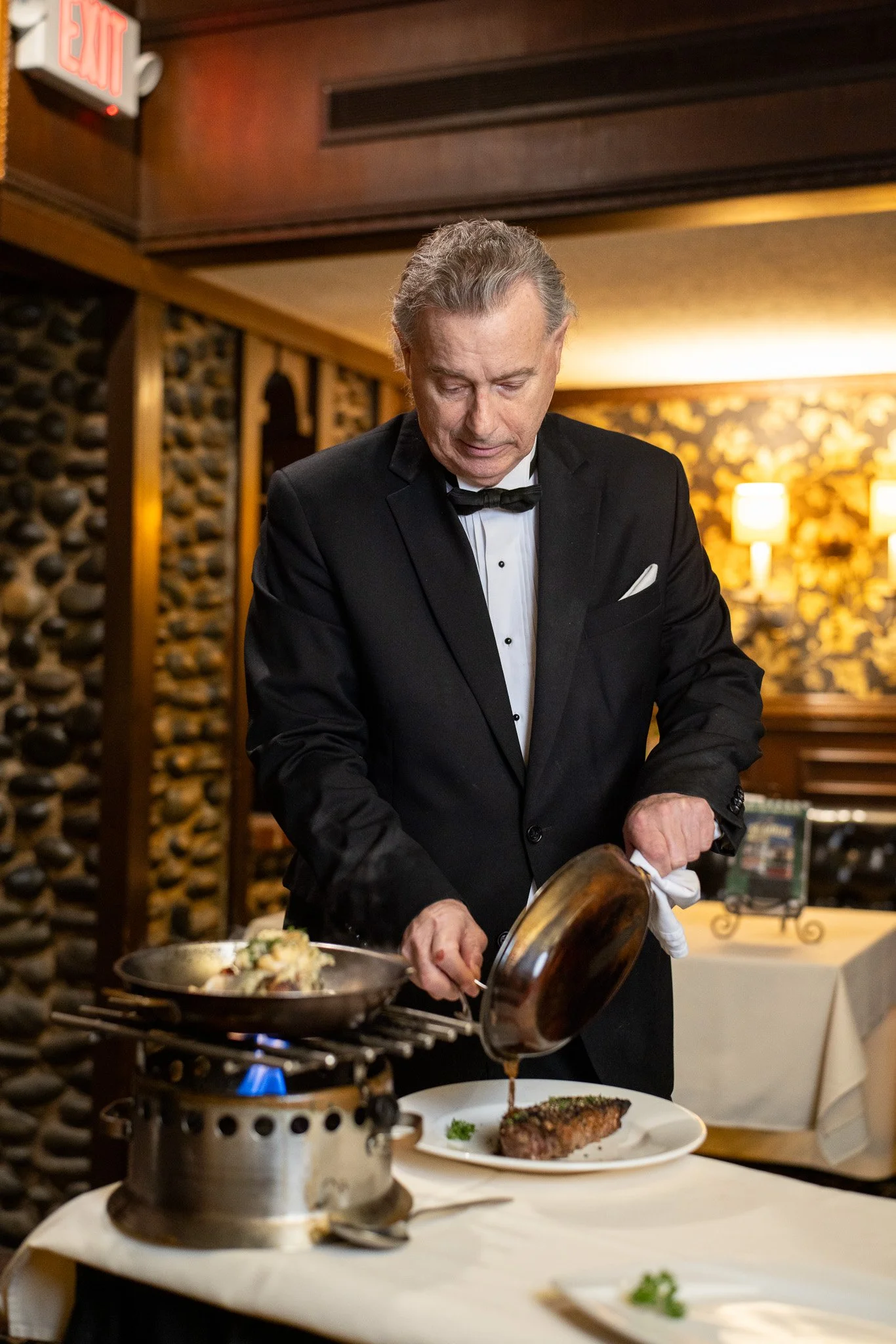
Every dish is served tableside.
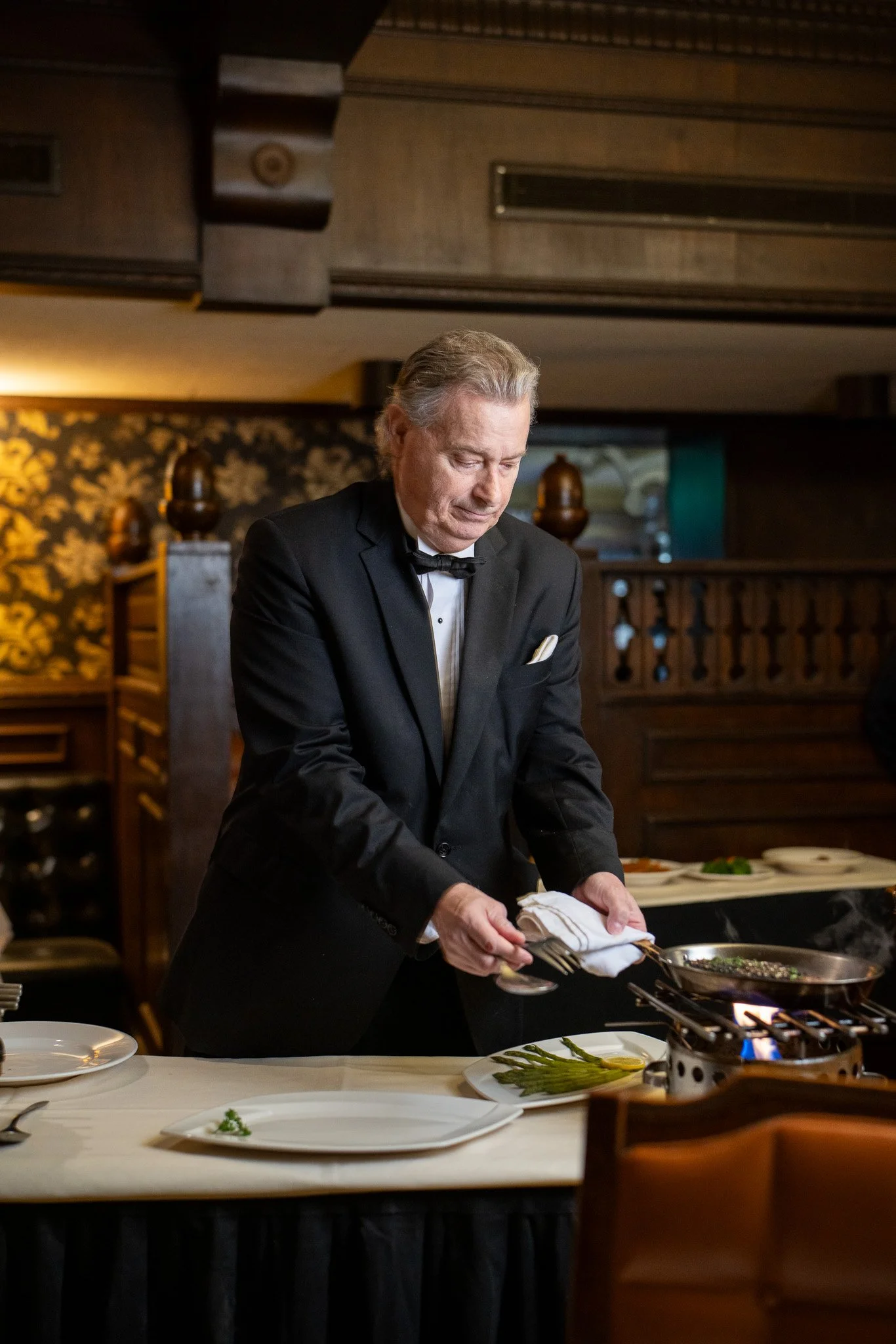
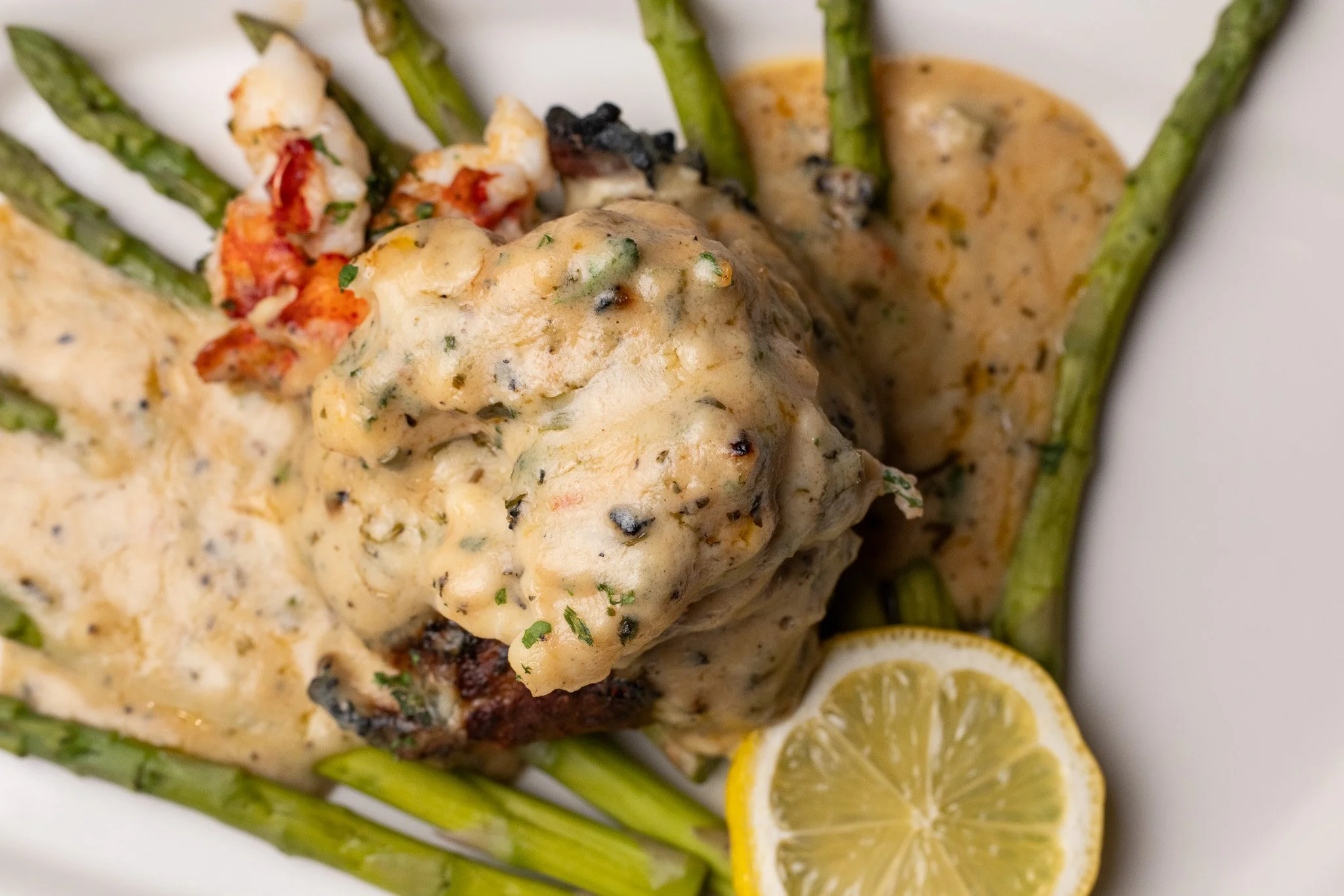
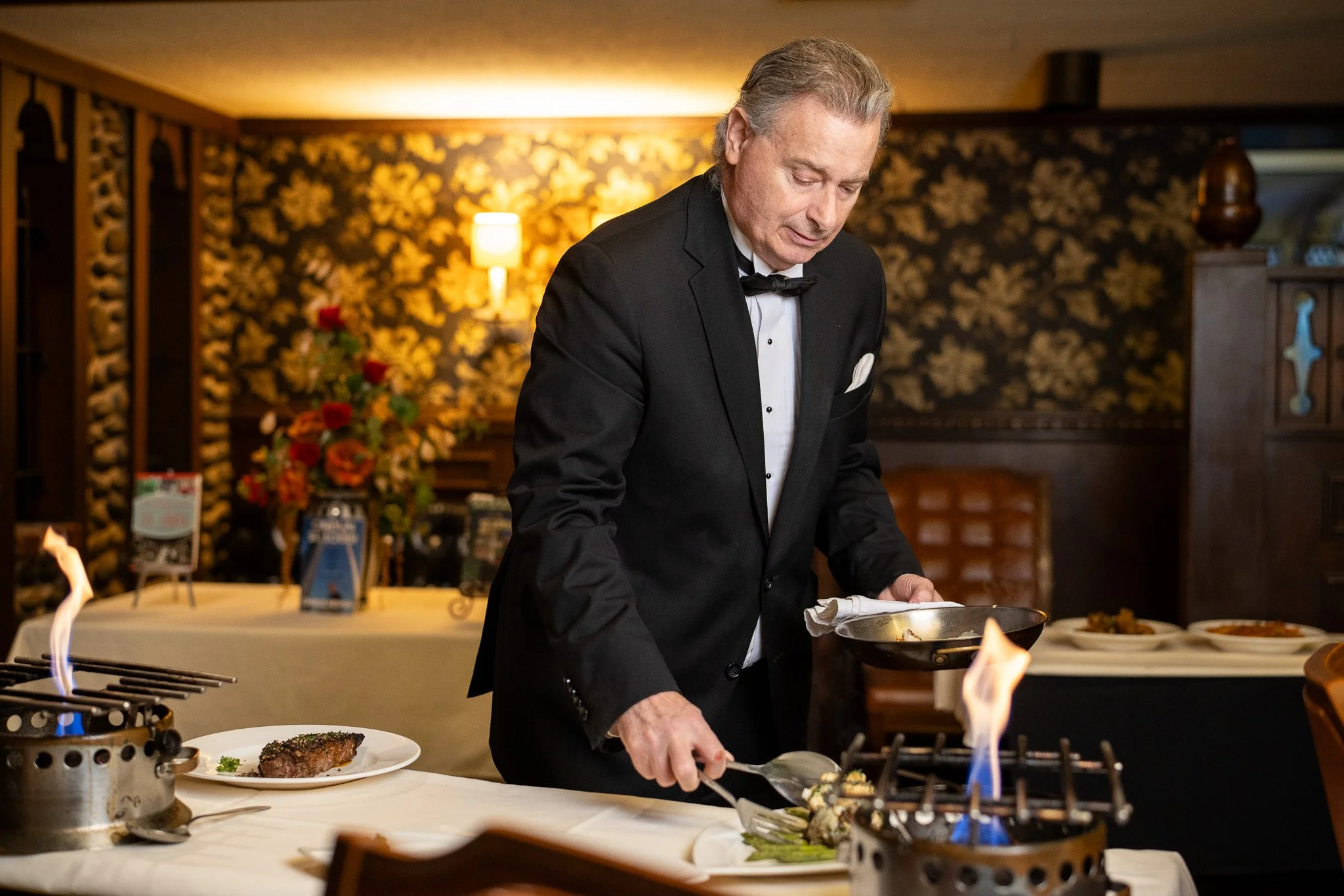
Made-to-order sauces – hollandaise, béarnaise, bordelaise, burgundy, creamy peppercorn, dill-mustard, marsala, and more, as appropriate, the entrées come alive.