
The Ozempic Aftermath
How the GLP-1 Revolution Is Creating a Golden Age for Plastic Surgery
By Craig Kaminer / Photos by Luke White and video by John Lore
A decade ago, few people outside endocrinology circles had heard of GLP-1 medications. Today, drugs such as Ozempic, Wegovy, Mounjaro and Zepbound have become cultural phenomena, transforming not only waistlines but the broader conversation around health, aging and self-image. For millions of Americans, these medications have succeeded where diets, exercise programs and countless weight-loss trends failed, producing dramatic and sustained weight loss that was once nearly impossible to achieve without bariatric surgery.
But as patients celebrate dropping 30, 50, 70 or even more than 100 pounds, many are discovering an unexpected reality: the weight may be gone, but the physical evidence of carrying it often remains. Loose skin, facial volume loss, sagging tissue and changes in body contour have created an entirely new challenge — one that is driving a surge in demand for plastic surgery across the country.
Craig Kaminer sits down with Dr. Nathan and Dr. Nayak to discuss how the GLP-1 revolution Is creating a golden age for plastic surgery. Like and subscribe to this and other videos pertinent to your world on Sophisticated TV S. Louis.
Few physicians have observed the phenomenon more closely than St. Louis surgeons Dr. Charles Nathan and Dr. Michael Nayak. While Nathan focuses primarily on body contouring and breast surgery, Nayak is internationally known for facial rejuvenation. Together, they represent the two sides of the post-weight-loss transformation, helping patients align their appearance with the healthier lives they have worked so hard to achieve.
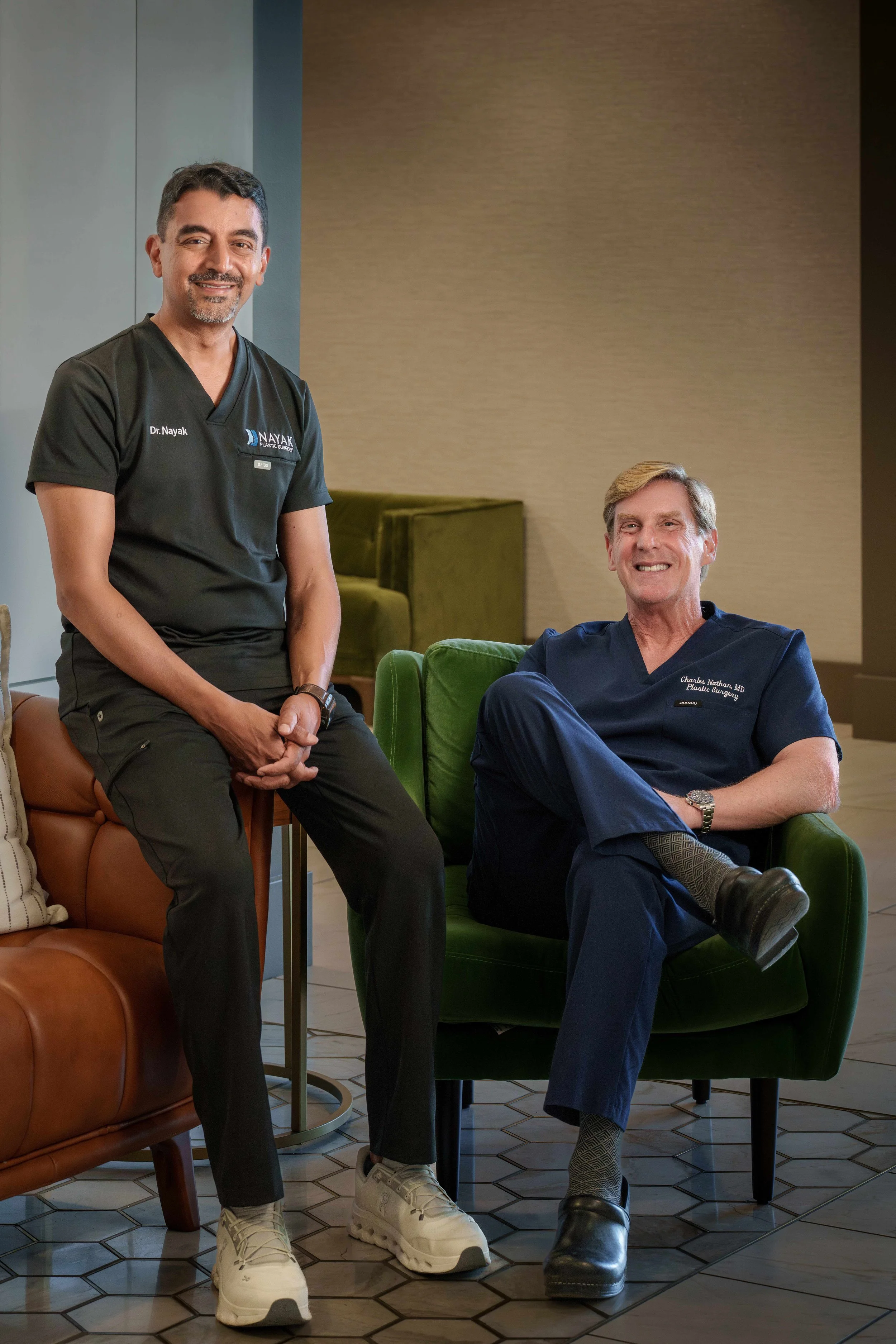
Drs. Michael Nayak and Charles Nathan discuss their booming plastic surgery practices resulting from the widespread weight loss of GLP-1 medications.
"We've seen a huge increase in patients who come in bothered by the amount of loose skin they have," says Nathan. "For years, people simply couldn't lose significant amounts of weight without bariatric surgery. Diet and exercise, personal trainers, all the things we promoted, just didn't have great long-term success rates. Now people are easily losing 30, 40, 50, 60, even 70 pounds and sometimes it's happening rapidly. With that rapid weight loss comes significant skin laxity and once that occurs, it's not going away."
The irony is striking. For decades, physicians encouraged weight loss as the solution to countless health concerns. Today, patients are finally achieving that goal in unprecedented numbers, only to discover that reaching a healthy weight is often just the first chapter of the story. The second chapter begins when they look in the mirror.
The abdomen hangs lower than expected. Breasts lose volume. Arms and thighs develop excess skin. The buttocks flatten. Faces appear hollow. Necks lose definition. Patients who feel younger, healthier and more energetic than they have in years sometimes find themselves struggling with an appearance that doesn't reflect how they feel.
The transformation has created what both surgeons describe as an entirely new category of patient. Some never considered plastic surgery before. Others always wanted it but were not healthy enough to qualify.
"Some people who never would have considered plastic surgery are now considering it," says Nayak. "But there's another group that's equally important — people who always wanted surgery but weren't healthy enough to have it. The GLP boom has enabled a lot of people who were previously boxed out. They lose weight, their blood pressure improves, their diabetes improves, their sleep apnea improves and suddenly they're candidates for surgeries they wanted all along."
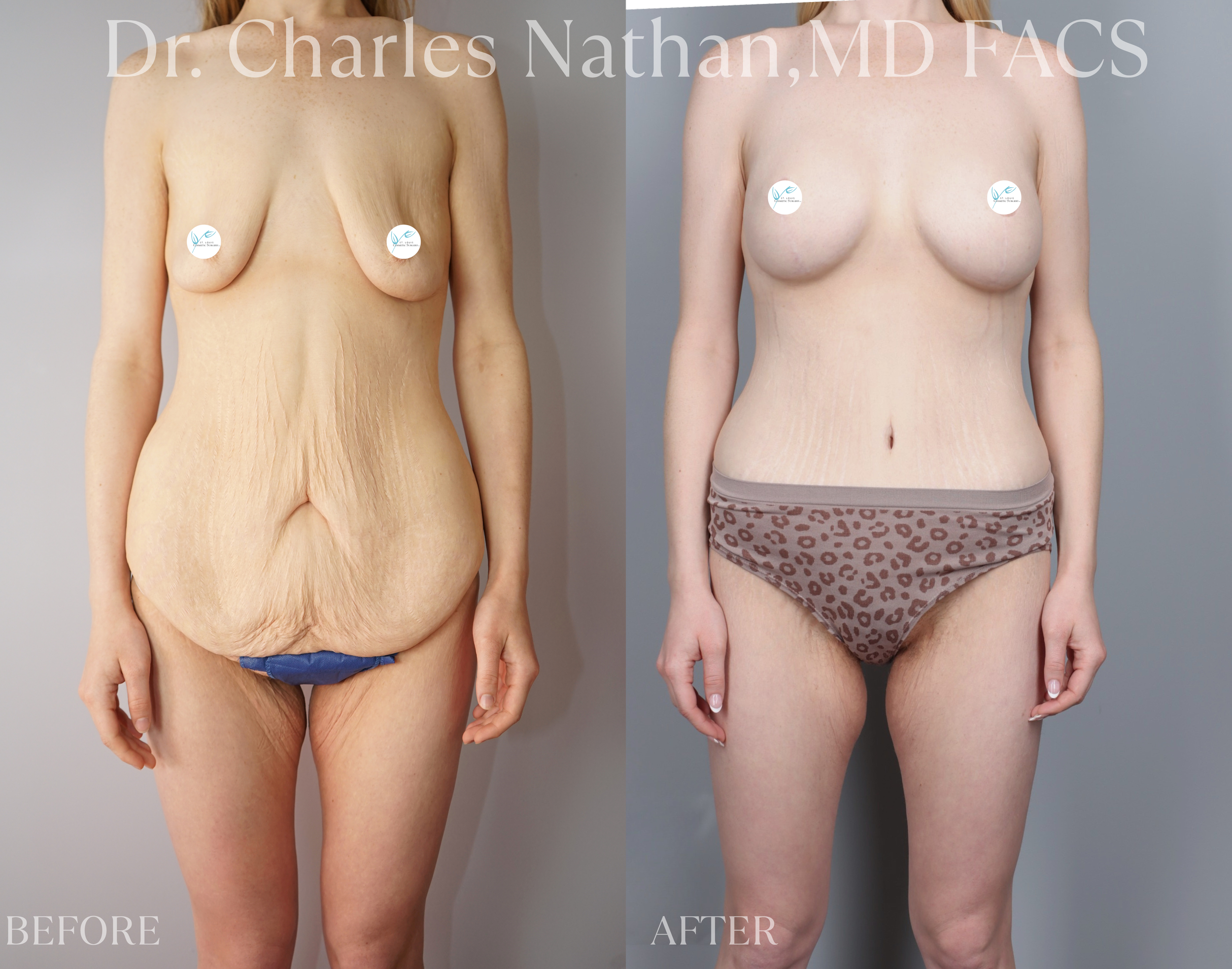
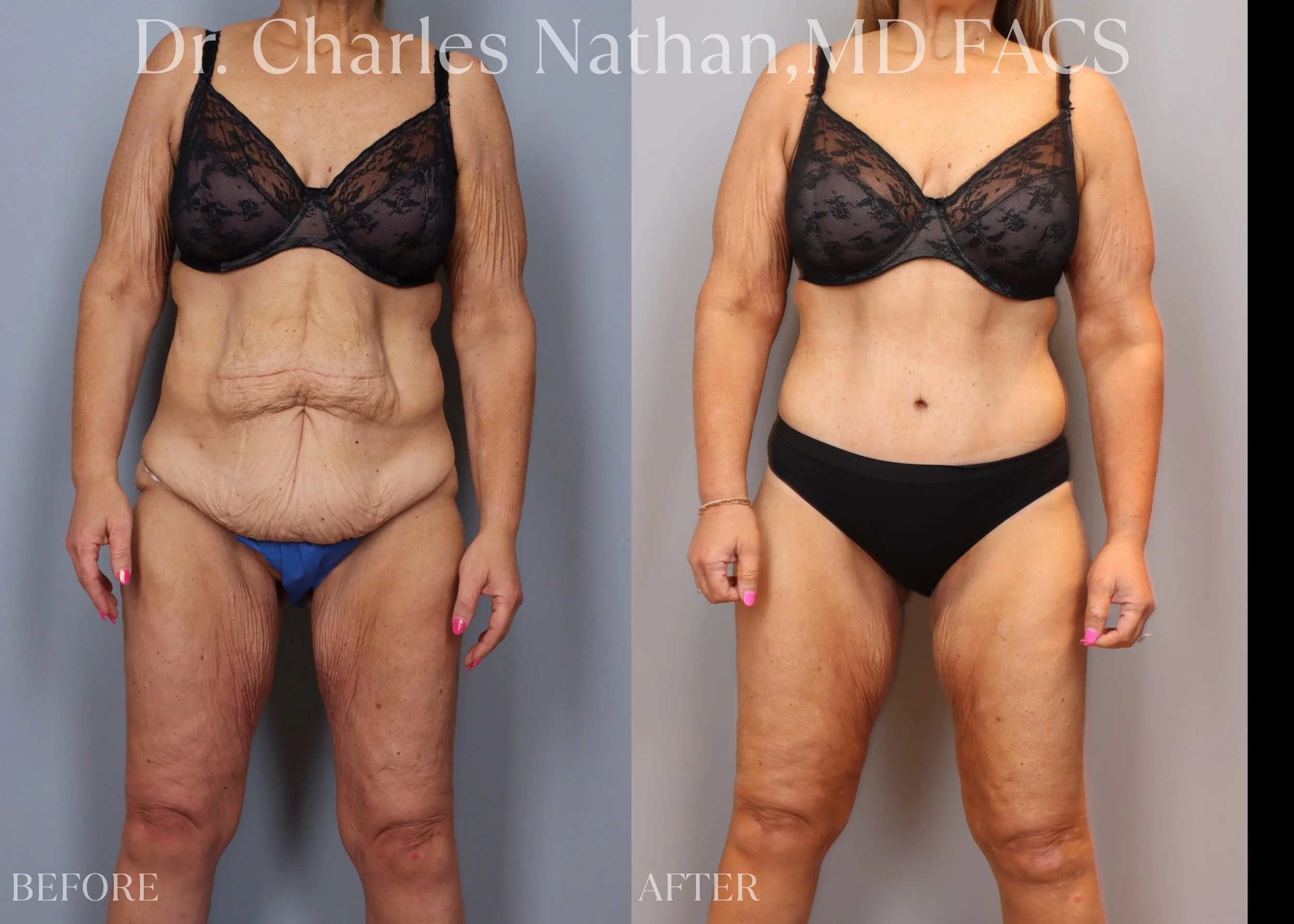
Before and after photos of full body lifts by Dr. Nathan.
Nathan has seen the same phenomenon unfold in his practice. Prior to the GLP-1 era, many patients seeking body contouring procedures carried enough excess weight that even technically successful surgery would have produced limited results. Today, many arrive leaner, healthier and better positioned for exceptional outcomes.
"We used to see patients who were carrying a lot of thick fatty tissue," he explains. "Maybe they'd be safe enough for surgery, but they weren't going to get a great result. Now they come in lean. The skin is loose, but the tissue underneath is thin. You can see the muscle structure. The results are dramatically better."
Nowhere is the impact more evident than in the rise of comprehensive body-contouring procedures. Nathan says today's post-GLP patients are rarely concerned with a single problem area. Instead, they are experiencing changes throughout their bodies.
"We're seeing much more 360-degree laxity," he explains. "The breasts droop. The arm skin loosens. There's laxity in the lower abdomen, hips, flanks and buttocks. The butt sags. It gets flatter. People lose some muscle mass along with fat if they aren't maintaining protein intake and exercising properly."
As a result, procedures such as circumferential body lifts and 360-degree tummy tucks have become some of the fastest-growing segments of his practice. "We've seen a significant increase in the number of 360-degree tummy tucks we perform," Nathan says. "Those procedures address the abdomen, hips, flanks and even lift the butt to some degree. That has gone up dramatically because of the GLP drugs."
What surprises Nathan most is how profoundly loose skin affects patients psychologically. Many arrive believing that weight loss alone would solve their concerns, only to find themselves struggling with a new source of self-consciousness.
"People who have had significant weight loss are often more bothered by the loose skin than they were by being overweight," he says. "They describe it as wearing a skin suit. All this extra skin hanging on them. They're healthy, they're proud of the weight they've lost, but they don't feel finished."
While Nathan's patients are focused primarily on the body, Nayak is seeing the facial effects of dramatic weight loss play out every day. Popular culture has embraced the term "Ozempic Face," but he believes the phrase oversimplifies what is actually happening.
"It's really volume loss," he explains. "Particularly through the mid-cheeks and temples." His explanation of facial aging has become one of the most memorable analogies he shares with patients. "All facial aging lands in the neck," he says. "It doesn't matter where the looseness originates — the temples, the cheeks, the jawline. All the runoff from both mountainsides eventually ends up in the low jaw and neck."
Patients often arrive focused on the neck because that is where the effects become most visible. In reality, the process begins much earlier and higher on the face. As volume disappears from the cheeks and temples, tissues descend, creating jowls, neck laxity and a more aged appearance. "They point to the neck and say that's what bothers them," Nayak says. "But what they're really seeing is aging and volume loss throughout the entire face."
The modern facelift, however, bears little resemblance to the procedures of previous generations. When Nayak began his career, most facial rejuvenation focused on tightening. Today, restoring lost volume is equally important. "In the 1990s, we really weren't thinking much about volume," he says. "Everything was about tightening and lifting. Then the concept of volume restoration emerged and eventually consumers became very educated about volume loss."
For today's GLP-1 patients, volume restoration often presents unique challenges. The same weight loss that creates facial hollowing can leave surgeons with fewer options for fat grafting. "We're building an arts-and-crafts project out of the supplies people bring us," Nayak says with a smile. "One of the necessary supplies is often fat, but many of these patients are so lean there isn't much harvestable fat left. You can't borrow from accounts that don't have a balance in them."
As a result, modern facial rejuvenation increasingly requires a sophisticated combination of techniques. Facelifts, neck lifts, fat grafting, fillers and implants are often used together to restore balance rather than simply tighten loose skin. "A well-executed restoration requires a paintbrush and a screwdriver and a hammer and a saw," Nayak says. "Volume is part of it. Lifting is part of it. Everything has to work together."
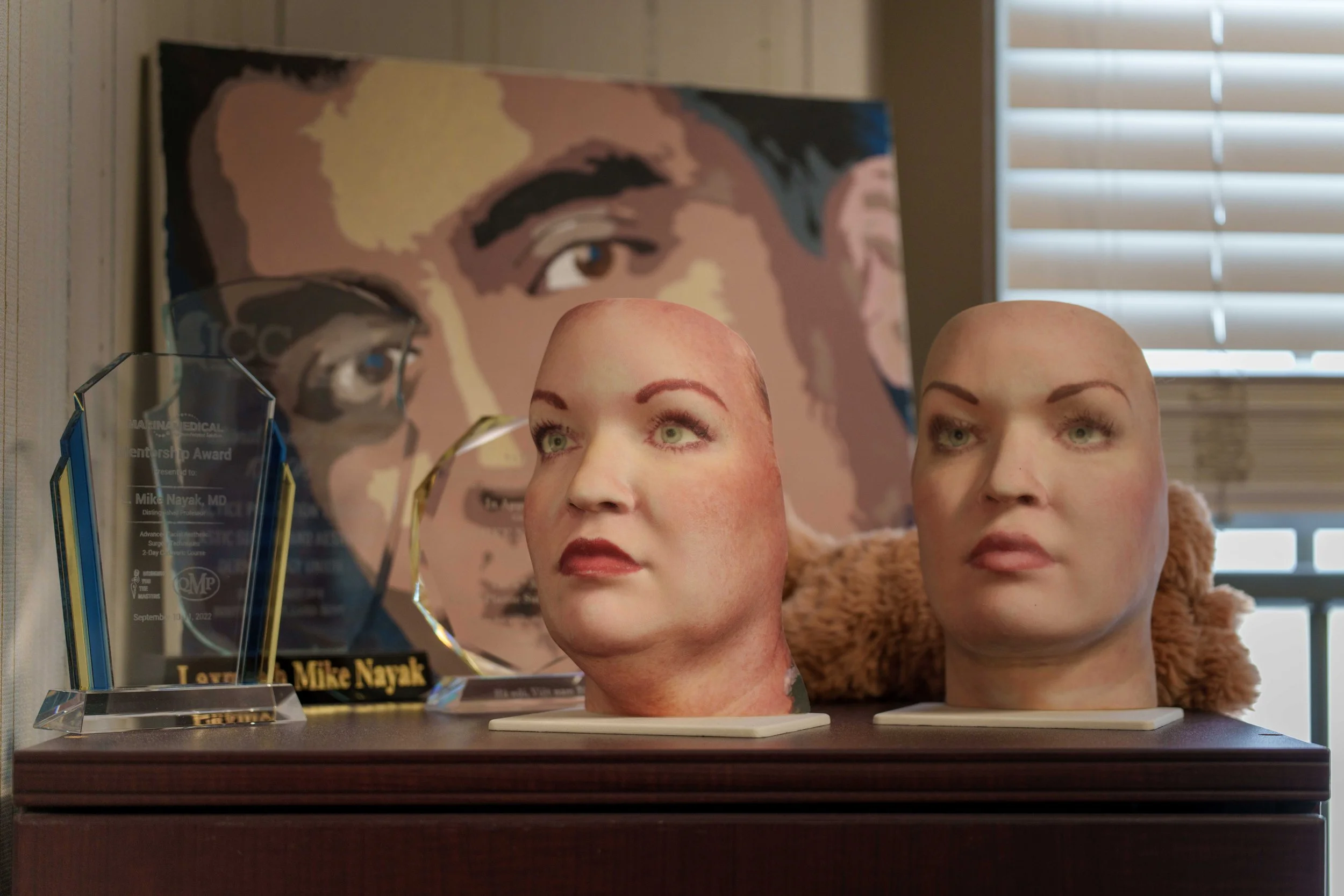
Exam room with model to show before and after results of face lift.
Contrary to popular stereotypes, neither surgeon believes vanity is the primary force driving the trend. In fact, both are quick to point out that the best candidates are rarely trying to impress someone else. "If someone tells me they're doing it for a husband or boyfriend, that's a red flag," Nathan says. "This has to be for them. It should be something that makes them feel better about themselves." For many women, confidence comes from feeling comfortable in clothing, swimsuits and intimate situations. For men, it may mean finally feeling comfortable taking off a shirt at the pool or beach. The motivation, both surgeons say, is intensely personal.
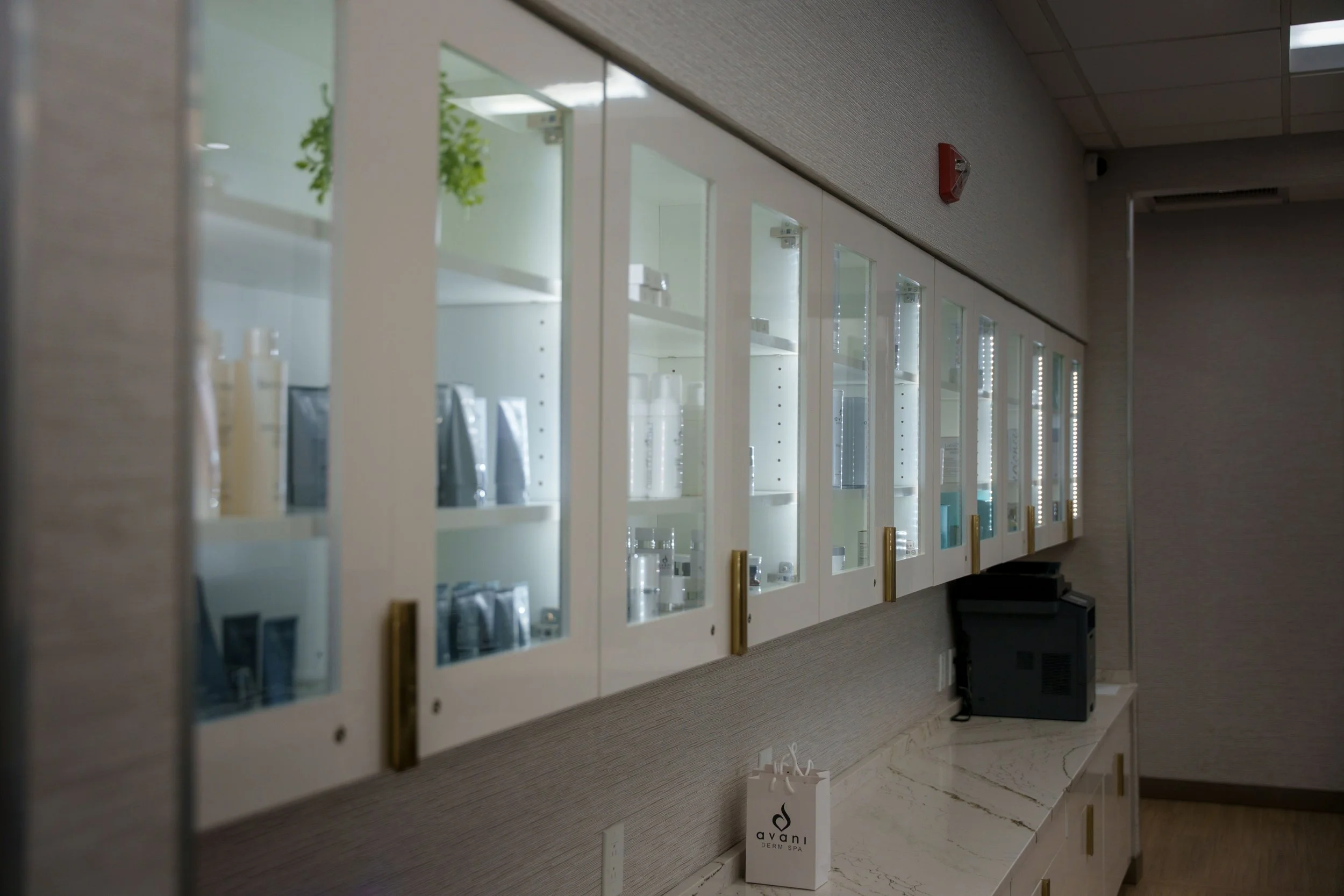
Range of facial products prescribed by plastic surgeons and med spas.
Nayak hears a similar message from facial rejuvenation patients. Rarely do they say they want to look younger. More often, they want their appearance to match how they feel. "People tell me they're tired of looking tired," he says. "They're tired of looking angry when they're not angry. Their spouse thinks they're upset all the time. Their coworkers think they're exhausted." With characteristic humor, he jokes that one common social-media acronym has a different meaning in his office. "You've heard of RBF?" he asks. "I call it 'Recommend Brow Lift Face.'"
The influence of social media and technology cannot be ignored. Previous generations might have seen photographs of themselves a handful of times each year. Today's consumers see themselves constantly through Zoom meetings, FaceTime calls, smartphone cameras and social media posts.

Map illustrating where patients are coming from to seek out plastic surgeons in St. Louis.
"Now people see themselves on screens several times a day, Nayak says.“They're much more aware of how they look under different lighting conditions and from different angles."
Yet both surgeons caution patients against viewing GLP-1 medications as a shortcut. Maintaining muscle mass, exercising regularly and consuming adequate protein remain essential to achieving healthy, attractive results. "Some people get too skinny," Nathan says. "They look older. They look deflated. If you're going to do it, do it right. You still need weight-bearing exercise. You still need adequate protein. You still need healthy habits."
Nathan admits he was initially skeptical when the medications first appeared. "I thought it would be another weight-loss fad," he says. "I was wrong. One hundred percent changed my mind. I'm a huge proponent of these medications when they're used properly and safely."

Ultimately, both physicians believe the story extends far beyond aesthetics. While the surge in facelifts and body-contouring procedures has been remarkable, they see those changes as merely one visible consequence of a much larger healthcare transformation. Research continues to suggest significant benefits for cardiovascular health, diabetes management and overall longevity.
"If you could reduce heart attacks, strokes and mortality by 20 percent in millions of Americans, that's enormous," Nayak says. "What we're seeing in plastic surgery is only a small part of a much bigger story."
That broader perspective may be the most important takeaway. The GLP-1 revolution is not fundamentally about looking younger, thinner or more attractive. It is about people becoming healthier, more active and more confident. Plastic surgery simply helps many patients finish a journey they have already begun.
For Nathan and Nayak, the most rewarding moments come not from dramatic before-and-after photographs but from watching patients finally see themselves the way they always hoped they could.
The medication may start the transformation. For an increasing number of Americans, surgery is helping complete it.
About Dr. Nathan
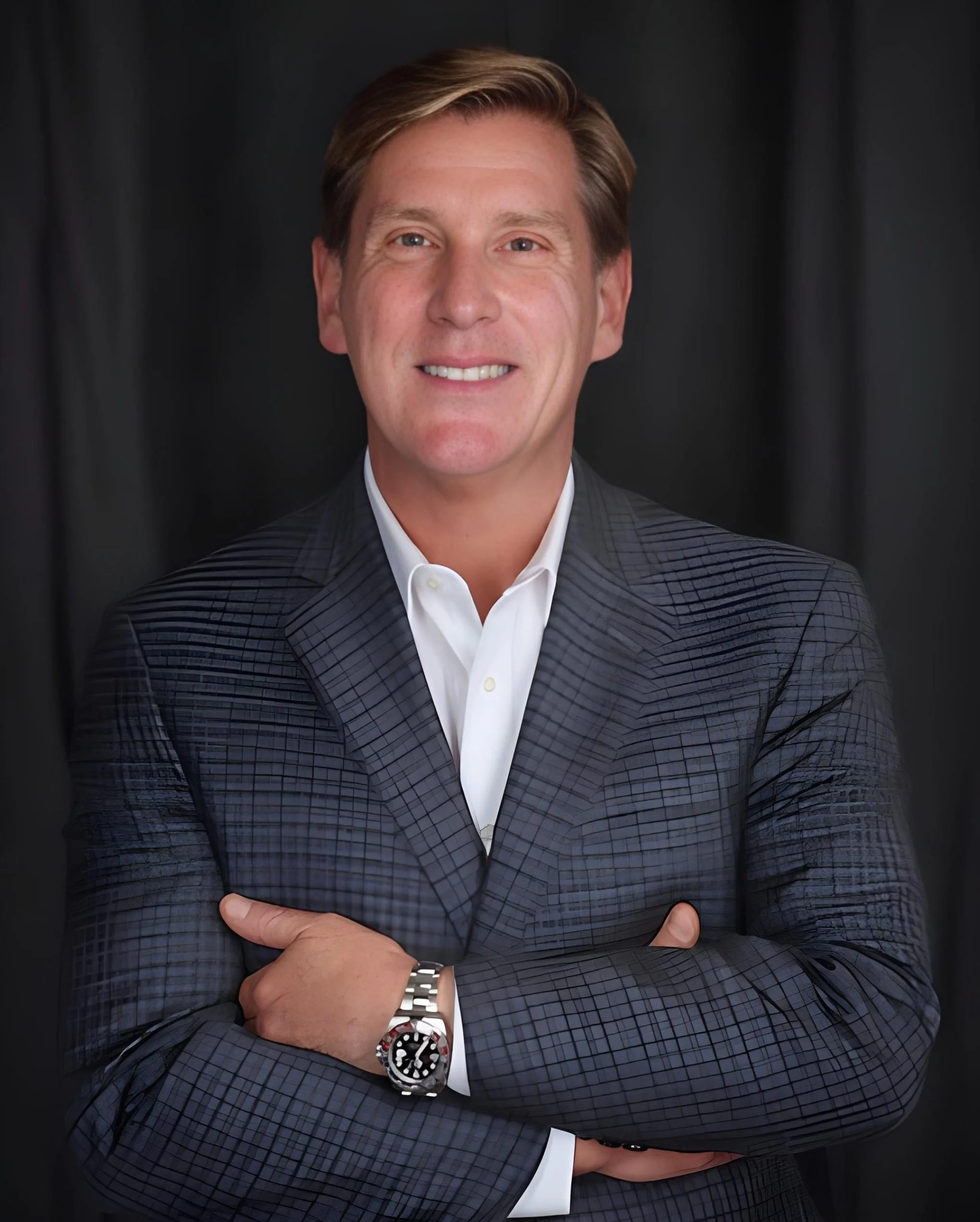
Dr. Charles Nathan
Known for his attention to detail and precise surgical techniques, Dr. Charles Nathan is an accomplished board-certified plastic surgeon at St. Louis Cosmetic Surgery. His passion for figuring out how things work and then improving upon them makes him ideally suited to cosmetic medicine.
According to Dr. Nathan, “Plastic surgery allows a surgeon to be very innovative and develop new techniques that can significantly impact the outcome of a procedure. A meticulous nature is very important for plastic surgeons as every step and stitch may affect the aesthetic results.”
Contact him at: (636) 530-6161 or stlcosmeticsurgery.com/meet-the-surgeons/dr-charles-nathan-md-facs/
About Dr. Nayak
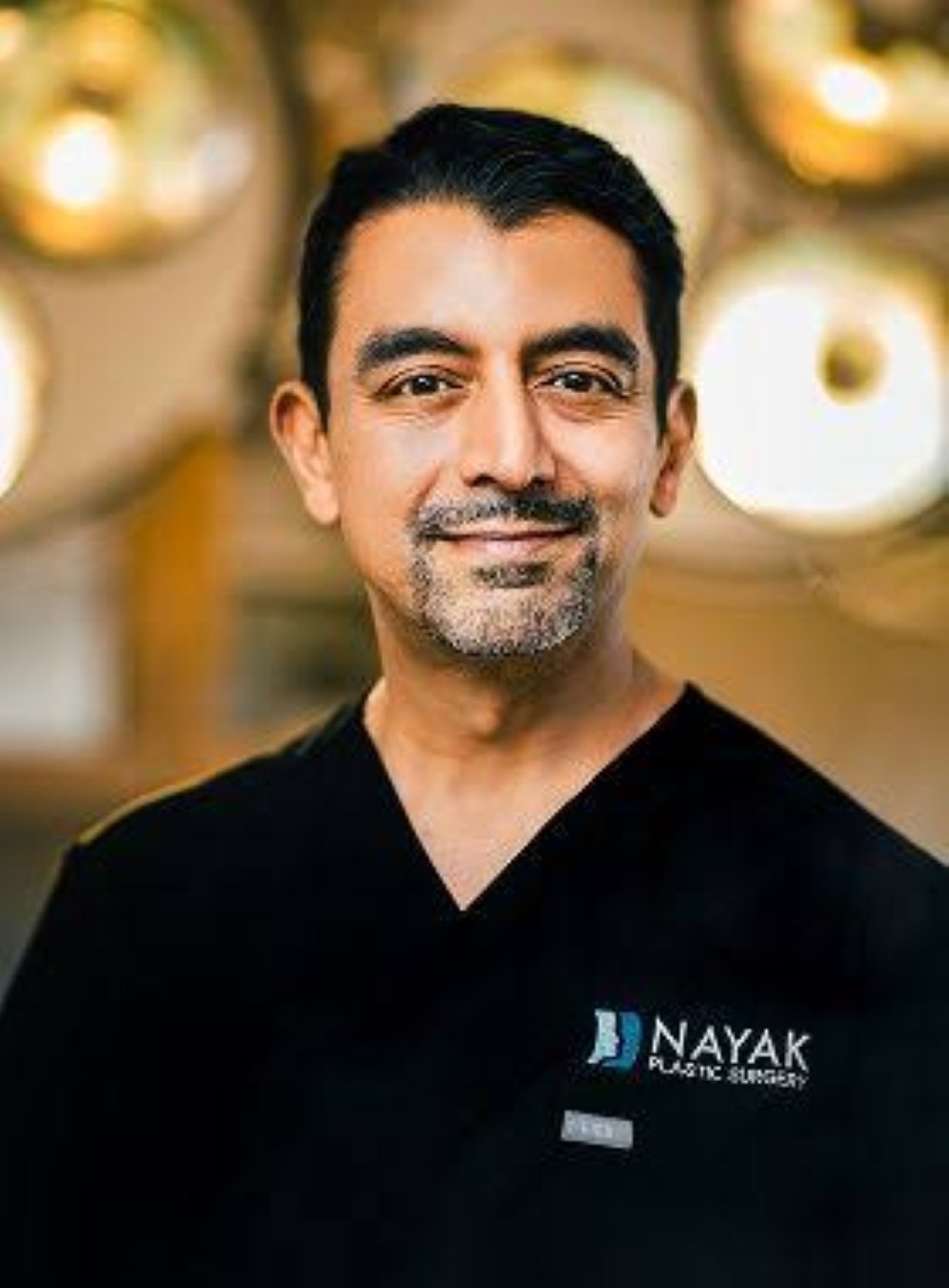
Dr. Laxmeesh "Mike" Nayak is a highly acclaimed, triple board-certified facial plastic surgeon in St. Louis, Missouri. Known by Elle Magazine as "the facelift guy," he specializes exclusively in cosmetic and reconstructive facial surgery, utilizing advanced deep-plane facelifts and minimally invasive techniques.
He is the founder of Nayak Plastic Surgery and Avani Derm Spa, located in the St. Louis area. Dr. Nayak boasts an extensive academic background and a global reputation.